Power |Finance
Swiss $70m Aid to Boost Energy in Sub-Saharan Africa
Solar power, waste to energy projects and other infrastructure initiatives in Africa could receive a boost following Switzerland's latest funding commitment to Private Infrastructure Development Group (PIDG).
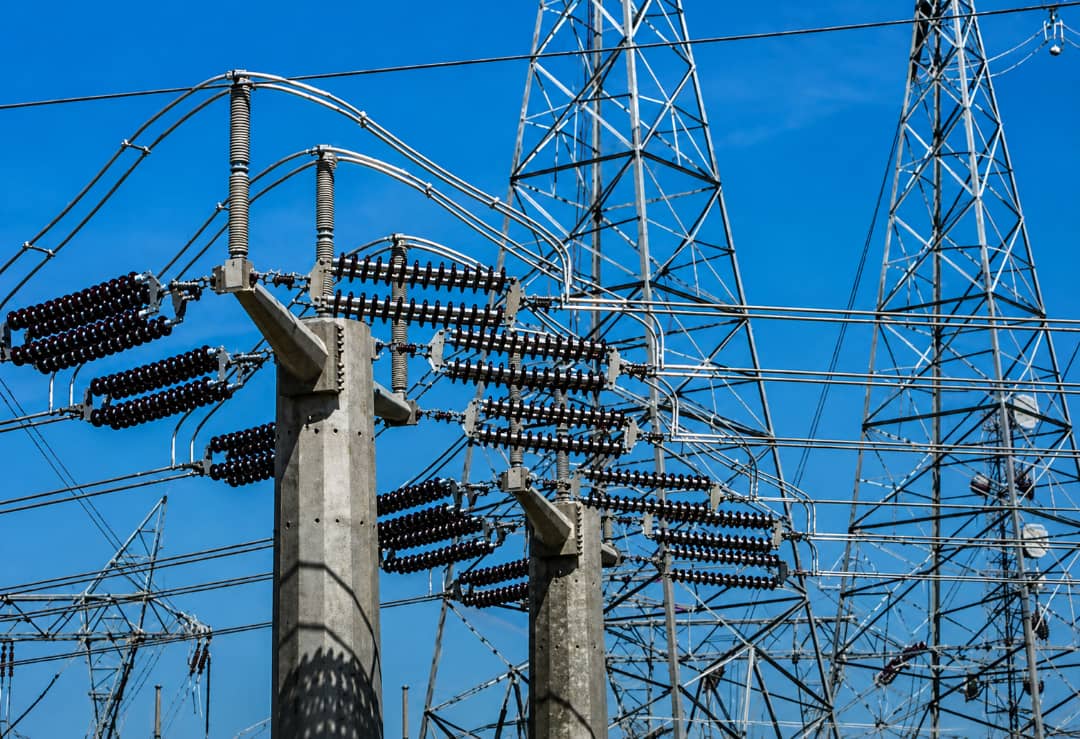
No fewer than 600 million people in Sub-Saharan Africa reportedly live without access to electricity, a challenge that has continued to slow economic growth, limit industrial development and affect daily life across the region.
Against this backdrop, Switzerland has announced a $70 million contribution to the Private Infrastructure Development Group (PIDG) to help expand investment in energy and other critical infrastructure projects between 2026 and 2030.
The funding, which was disclosed on June 5, is expected to strengthen PIDG’s efforts to attract private sector investment into sustainable infrastructure projects across Africa and other emerging markets.
The organisation focuses on financing essential infrastructure in developing countries, with a strong emphasis on energy projects in Sub-Saharan Africa, where electricity access remains one of the region’s biggest development challenges.
The latest contribution comes as governments and development institutions continue to grapple with a widening infrastructure financing gap.
World Bank reported that infrastructure financing needs globally amount to about $2.7 trillion annually, while the funding shortfall is estimated at roughly $700 billion each year.
Explaining the rationale behind its support, the Swiss government said public funding alone cannot meet the scale of infrastructure needs across developing economies, noting that public resources can instead be used to encourage greater participation from private investors.
The new funding is expected to help PIDG continue its strategy of using public and development finance to unlock larger pools of private capital for infrastructure projects.
Since it was established, PIDG has invested $5.6 billion across 258 projects. Those investments have mobilised an additional $29.8 billion in private capital and delivered new or upgraded infrastructure services to about 232 million people.
The organisation has already stepped up its activities in Africa in 2026, particularly within the energy sector. In March, through its subsidiary InfraCo, PIDG committed €4.3 million to Afreenergy Solar to support the development of 30 megawatts of solar power generation and 10 megawatt hours of battery storage capacity in Senegal.
Earlier in January, the group expanded its activities in East Africa through a $3.3 million equity investment in Kenyan company Sanivation. The investment is supporting the expansion of a waste to energy facility in Naivasha. PIDG also provided a $500,000 technical assistance grant to support the project.
Apart from direct investments, PIDG operates through the Emerging Africa and Asia Infrastructure Fund, which co-finances infrastructure projects across developing regions. Among the projects supported through the fund is a hybrid solar power plant in Kolda, Senegal.
The organisation’s focus on renewable energy shows efforts to improve electricity access while supporting climate friendly development. Reliable power remains a major concern for many African countries, affecting businesses, healthcare facilities, schools and households.
PIDG plans to increase its support for least developed countries under its 2030 strategy. The plan aims to channel more investment into early stage project development and expand financing for climate compatible infrastructure.
Related Stories


Sign up for our newsletter.
Get the latest news, expert analysis, and industry insights delivered straight to your inbox. Join thousands of professionals shaping the future of energy.
By submitting my information, I agree to the Privacy Policy and Terms of Service.