Power
World Bank-Backed DARES Programme Gets $243m Boost to Tackle Energy Poverty
The new financing strengthens Nigeria’s drive to expand off-grid electricity access, accelerate solar deployment, and improve energy security for millions of underserved communities.
Nigeria has secured an additional $242.9 million in international financing to accelerate its flagship off-grid electrification programme, reinforcing efforts to expand access to clean and reliable electricity in underserved communities across the country.
The funding, disclosed by the World Bank in a recent implementation report, will support the Distributed Access through Renewable Energy Scale-up (DARES) project, one of Africa’s largest renewable energy initiatives aimed at reducing energy poverty through solar-powered solutions.
The financing package includes approximately $193.8 million in co-financing from the Japan International Cooperation Agency (JICA), while the United States will provide a further $49.1 million in grant funding dedicated to electrifying public institutions.
The latest investment comes as the DARES programme gains momentum. More than $430 million in project funds have already been committed, enabling electricity access for 5.3 million Nigerians through new or upgraded energy services. Although this remains below the programme’s target of reaching 16.2 million beneficiaries by 2028, recent deployment figures indicate a significant acceleration in implementation.
Solar home system installations have surpassed one million units, driven by expanded rollouts under the programme’s household electrification component. Renewable energy capacity supported by the initiative has also reached 41.25 megawatts, with plans to increase this substantially over the coming years.
The programme has also benefited from regulatory reforms introduced by the Nigerian Electricity Regulatory Commission, including an updated mini-grid framework and an increase in the capacity threshold for eligible projects. These measures unlocked additional World Bank funding and are intended to encourage greater private sector participation in distributed energy development.
Despite the progress, several challenges remain. Key policy reforms, including formal approval of Nigeria’s National Electrification Strategy and Implementation Plan, are still pending, while macroeconomic pressures and governance risks continue to pose implementation hurdles.
Nevertheless, the new financing underscores growing international confidence in Nigeria’s off-grid energy strategy and its potential to address one of the world’s largest electricity access gaps. With an estimated 90 million Nigerians still lacking reliable power, expanding decentralized renewable energy systems is increasingly viewed as a critical pathway for improving livelihoods, supporting businesses and driving inclusive economic growth.
If implementation continues at its current pace, the DARES programme could significantly accelerate rural electrification while strengthening Nigeria’s transition toward a more diversified and sustainable energy future.
Related Stories
World Bank-Backed DARES Programme Gets $243m Boost to Tackle Energy Poverty
Nigeria’s Tinubu Renews Power Sector Reform Push
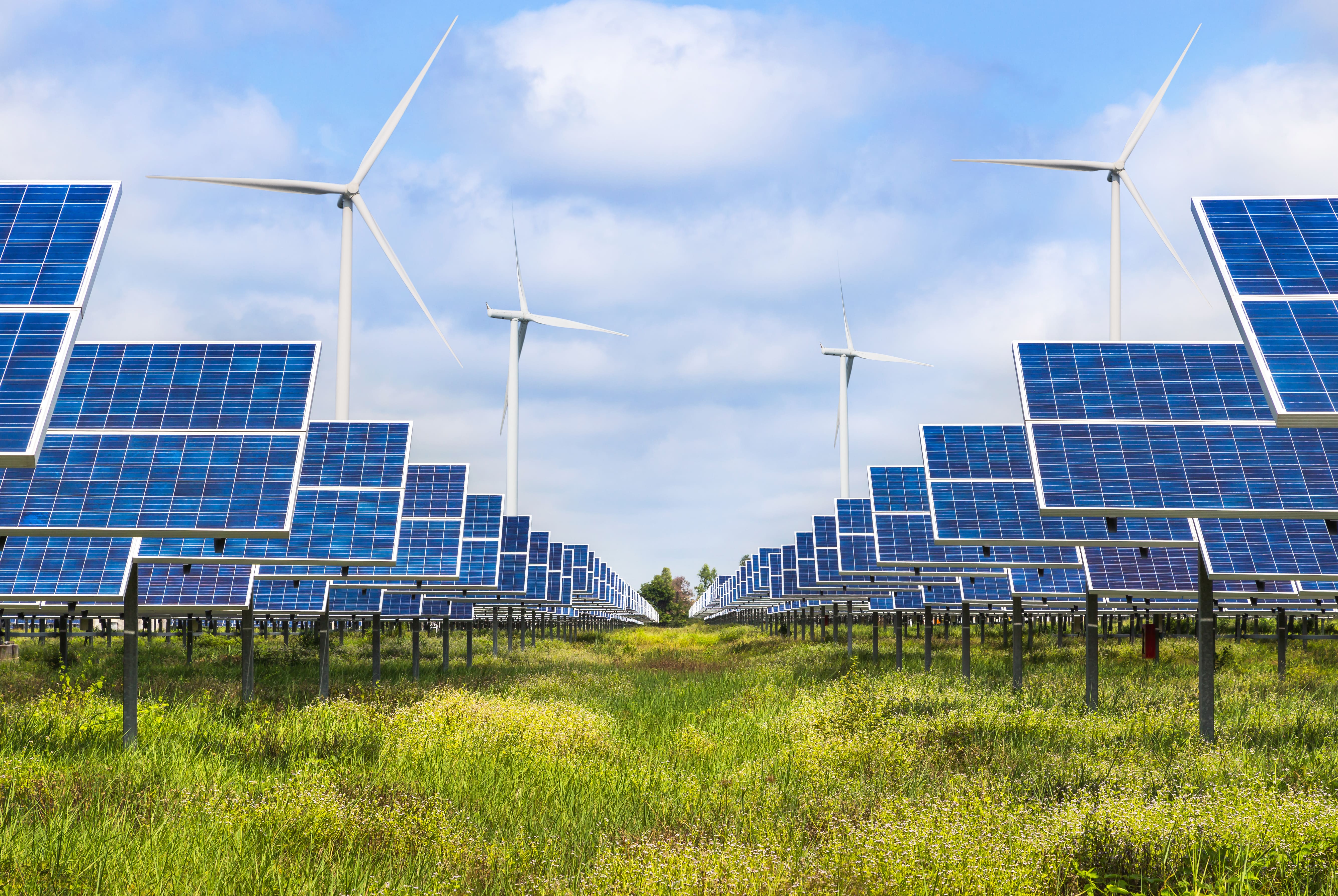
Nigeria Targets 209GW of Solar Capacity as $11bn Project Pipeline Expands
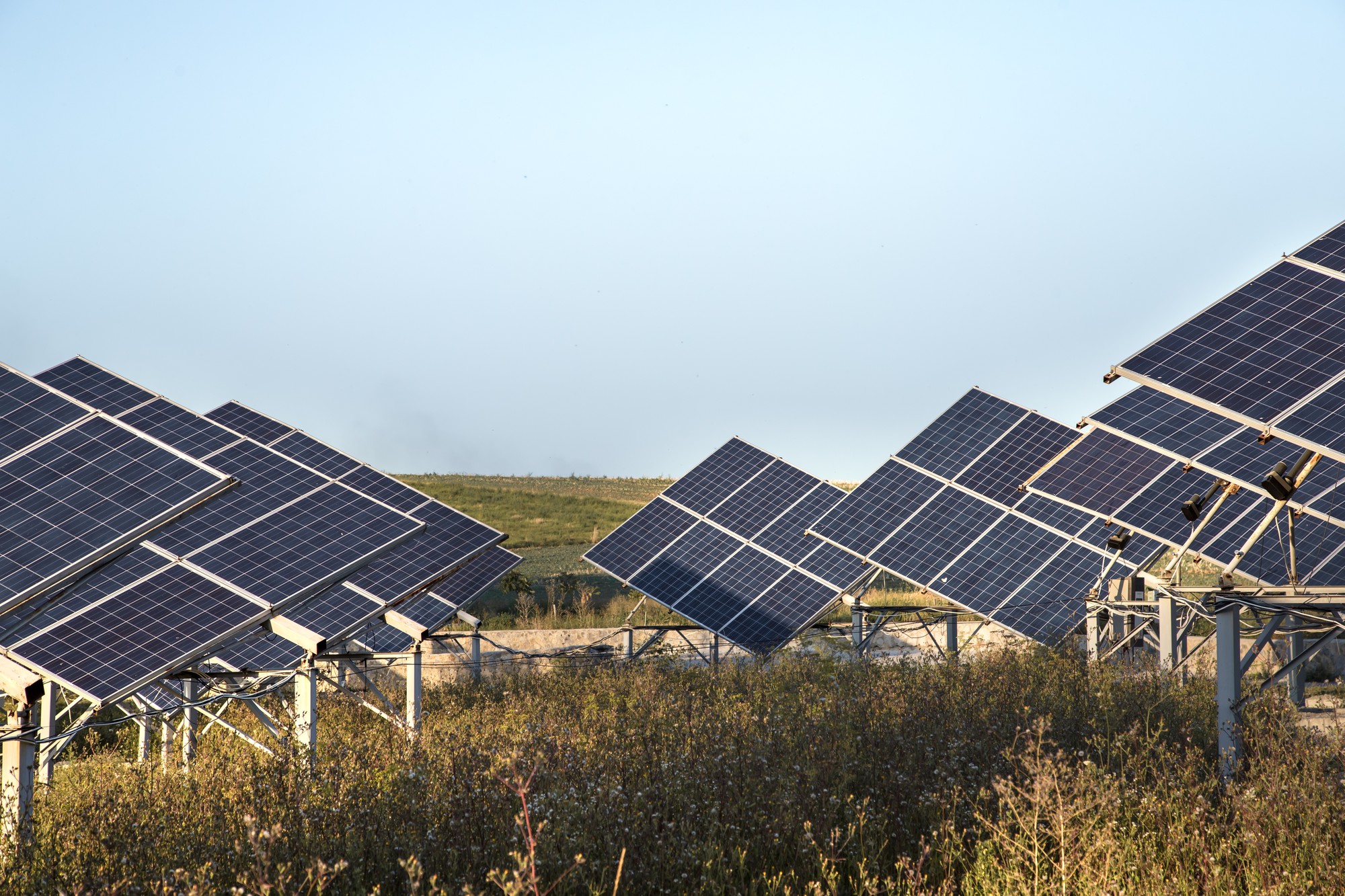
Daystar Power, Sterling Bank Launch Hybrid Financing Model to Accelerate Clean Energy Adoption in Nigeria
Sign up for our newsletter.
Get the latest news, expert analysis, and industry insights delivered straight to your inbox. Join thousands of professionals shaping the future of energy.
By submitting my information, I agree to the Privacy Policy and Terms of Service.