Renewables |Finance
FMO to Provide $80m for Solarcentury Africa’s Southern Africa Solar Projects
The investment points to growing confidence in regional solar projects and shows how cross-border power trading and private financing can help tackle Southern Africa’s electricity challenges while accelerating the clean energy transition
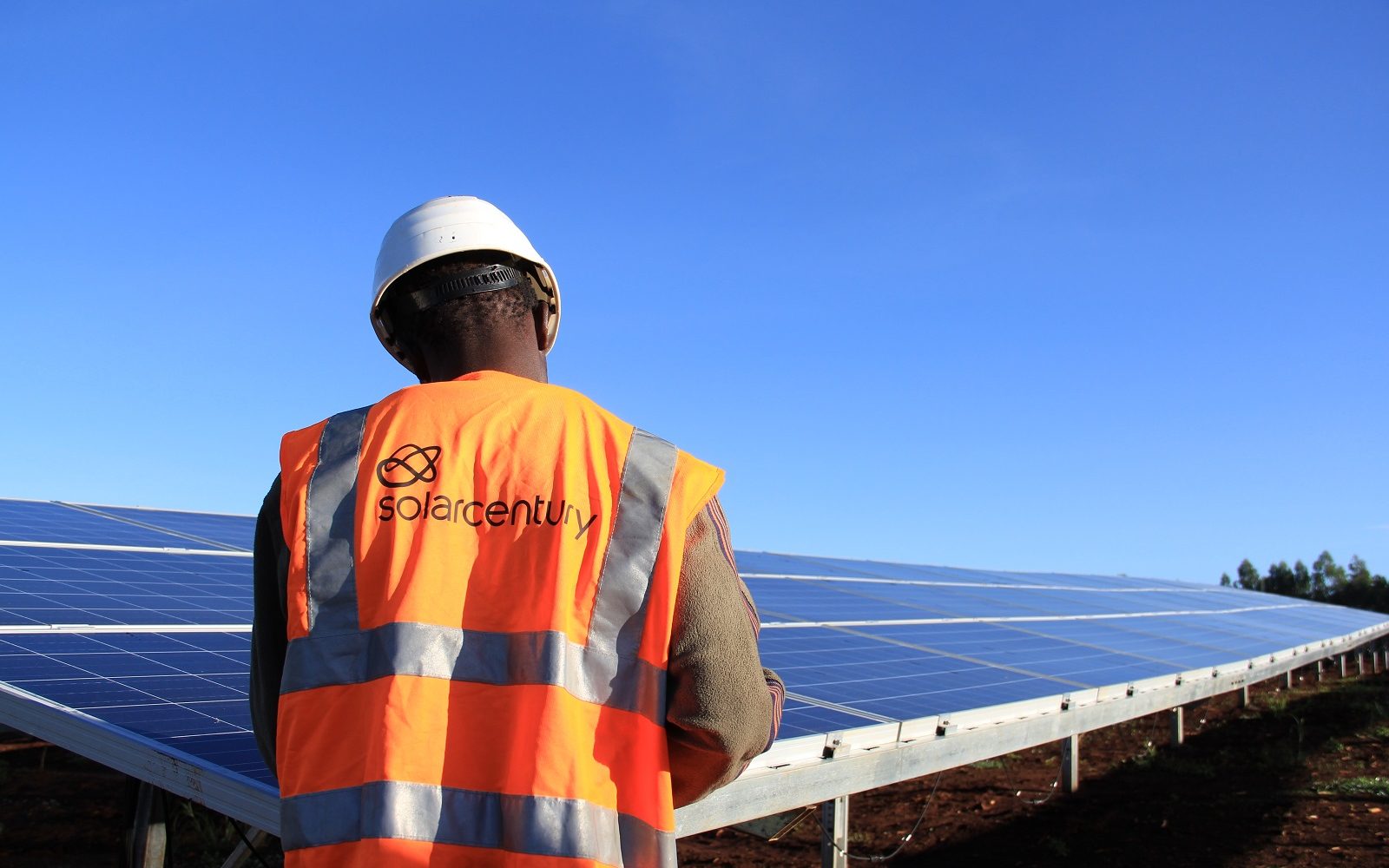
The Dutch Entrepreneurial Development Bank (FMO) is set to provide an $80 million financing package to Solarcentury Africa Limited to support the expansion of solar power projects across Zambia, Namibia, and Botswana, strengthening renewable energy generation and regional electricity security.
The funding, which is in its final stages, will back a merchant solar model that allows electricity to be sold directly into the Southern African Power Pool (SAPP) rather than relying solely on long-term government-backed power purchase agreements. The approach is expected to improve cross-border electricity trading and direct power to markets where demand is greatest.
The financing package is split into two equal parts. An initial $40 million committed facility will refinance existing operational projects, including the 25 MWp Mailo Solar Plant in Zambia and the 19.3 MWp Gerus Solar Farm in Namibia, both of which are already supplying renewable electricity to the regional grid.
The remaining $40 million uncommitted facility will support future growth, including the planned 113 MW Lotsane Solar Plant in Botswana, which is expected to further expand clean energy capacity once developed.
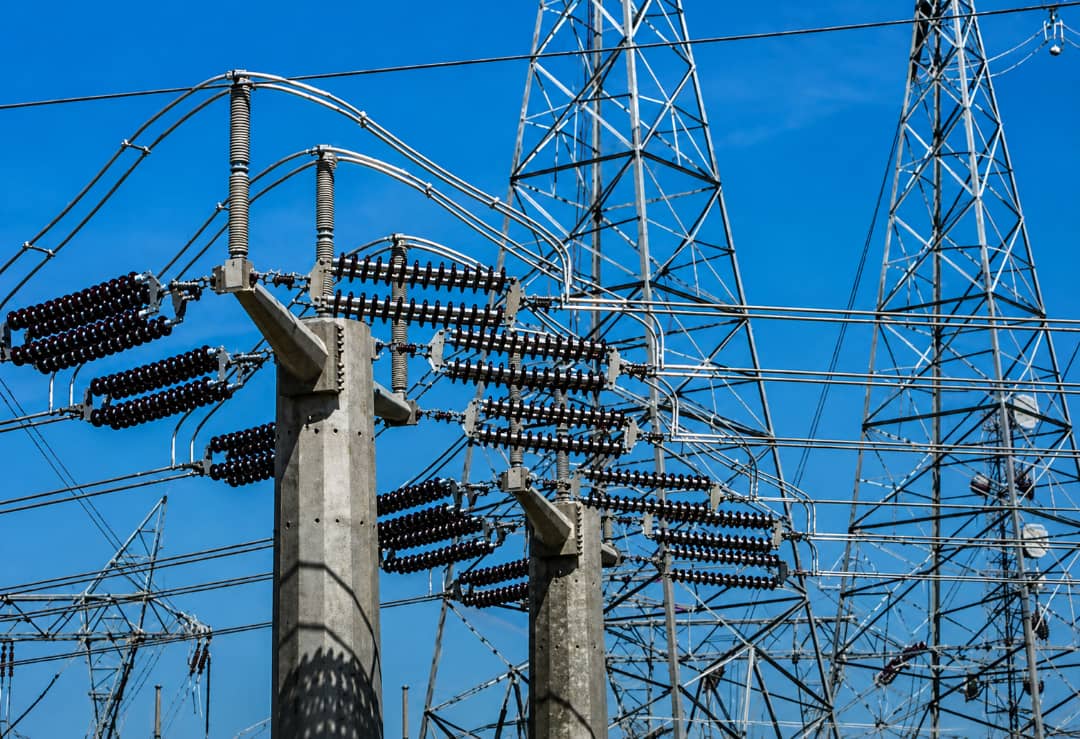
The investment comes as Southern Africa continues to grapple with electricity shortages driven by climate-related challenges and growing demand. Zambia, which depends heavily on hydropower, has experienced reduced generation in recent years due to prolonged droughts that have lowered water levels at key dams.
By increasing solar generation, the project aims to diversify the region’s energy mix, reduce reliance on hydropower, and improve the resilience of electricity supply.
FMO has classified the investment as 100% Green and 100% Reducing Inequality, reflecting its environmental and social objectives. The bank estimates that about 90% of the electricity generated by the immediately financed projects will be supplied to Zambia’s grid, helping improve electricity access while supporting the country’s clean energy transition.
The financing also reinforces the growing importance of private capital and regional electricity markets in accelerating renewable energy development across Southern Africa, as countries seek more flexible and sustainable solutions to meet rising power needs.
Related Stories


Sign up for our newsletter.
Get the latest news, expert analysis, and industry insights delivered straight to your inbox. Join thousands of professionals shaping the future of energy.
By submitting my information, I agree to the Privacy Policy and Terms of Service.