Oil & Gas
Tanzania Plans Cross-Border Gas Pipeline to Supply Uganda, Kenya
Tanzania plans a cross-border gas pipeline to Uganda and Kenya, potentially reshaping East Africa's energy trade and expanding regional access to natural gas.
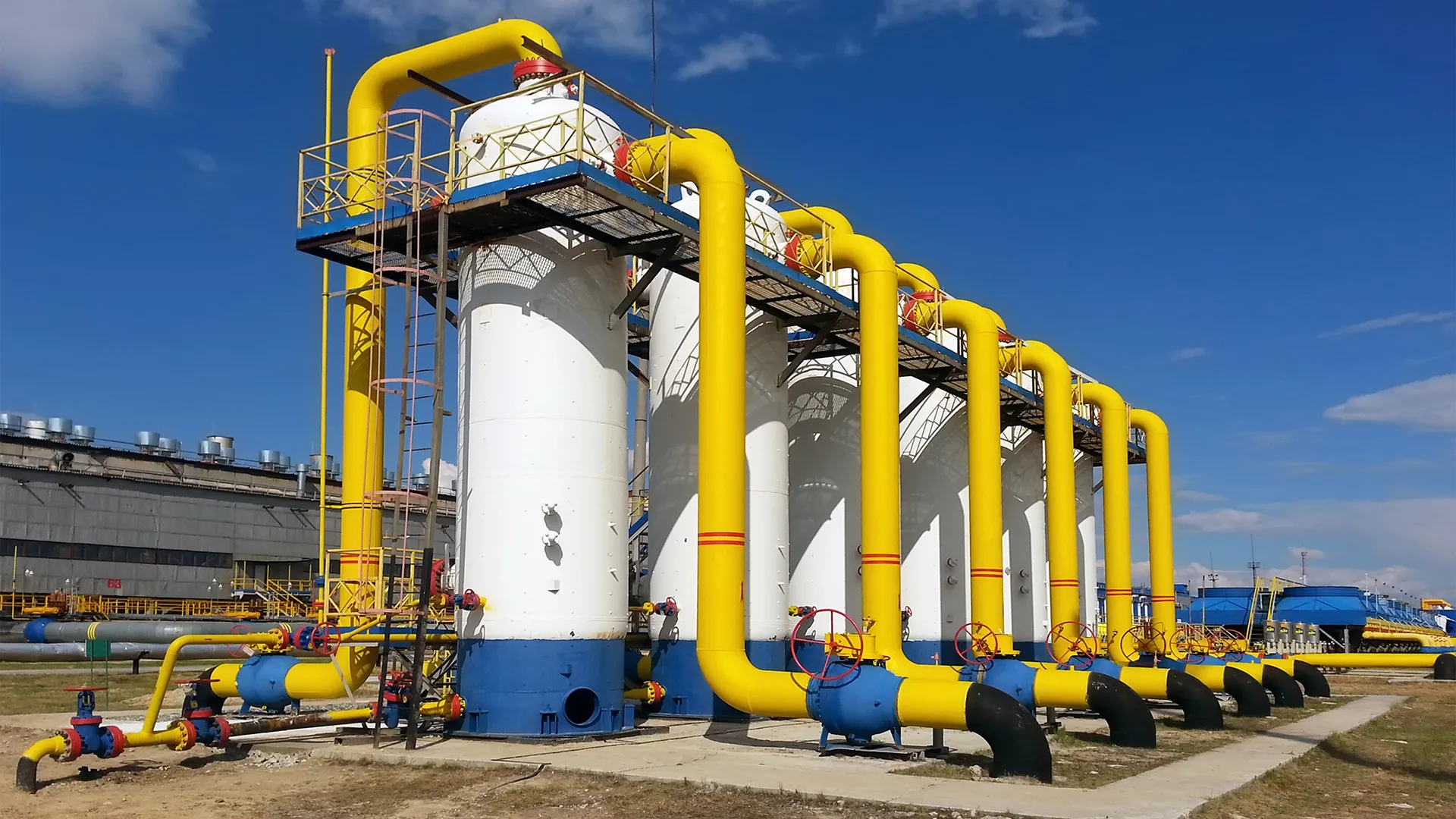
Tanzania is planning a cross-border natural gas pipeline to supply Uganda and Kenya, a move that could expand regional gas trade, strengthen energy security and deepen East Africa's integration.
The Director General of the Petroleum Upstream Regulatory Authority (PURA), Charles Sangweni, disclosed the plan at the Second African Youth in Oil and Gas International Conference in Unguja, Zanzibar. He said the proposed pipeline would form part of Tanzania's broader efforts to expand its oil and gas industry and supply neighbouring countries with natural gas.
The project could give Tanzania a larger role in the region's energy market by creating new routes for its gas resources to reach consumers beyond its domestic market, as both countries seek to meet rising electricity and industrial demand while gradually shifting toward lower-carbon fuels.
Tanzania and Uganda are developing shared energy infrastructure through the East African Crude Oil Pipeline (EACOP), which will transport crude oil from Uganda's Lake Albert fields to the port of Tanga in Tanzania for export once operational.
A gas pipeline running the other direction, supplying Uganda and Kenya from Tanzanian gas fields, would add a second cross-border energy link between the same countries, and a template other East African states may look to as they weigh regional versus purely domestic energy infrastructure.
Pipeline could deepen regional gas trade
Natural gas is often described as a cleaner-burning fossil fuel because it generally produces fewer greenhouse gas emissions than coal and oil when used for power generation. A regional pipeline network could support the wider adoption of gas for electricity generation and industrial activities, while also creating opportunities for cross-border energy trade.
The proposed project also fits into Tanzania's efforts to attract investment into its petroleum sector and make greater use of its natural gas resources. However, details on the pipeline's route, capacity, investment cost, construction timeline and expected start of operations were not disclosed.
Sangweni said stronger regional energy cooperation would be important to improving access to reliable and affordable energy across East Africa. He also called for greater youth participation in the petroleum industry, arguing that young people must be equipped with the technical skills and innovative capacity needed to develop Africa's energy resources.
The conference brought together oil and gas stakeholders from across Africa to discuss investment, clean energy development and ways to increase youth participation in the sector.
The proposed pipeline could mark a strategic shift in Tanzania’s energy ambitions, moving the country beyond domestic gas utilisation towards a broader regional supply role. Once developed, it could also strengthen links between East African energy markets and create new opportunities for investment in gas infrastructure and related industries.
Related Stories

Sign up for our newsletter.
Get the latest news, expert analysis, and industry insights delivered straight to your inbox. Join thousands of professionals shaping the future of energy.
By submitting my information, I agree to the Privacy Policy and Terms of Service.