Oil & Gas
West Africa Aims at Common Market for Petroleum Products
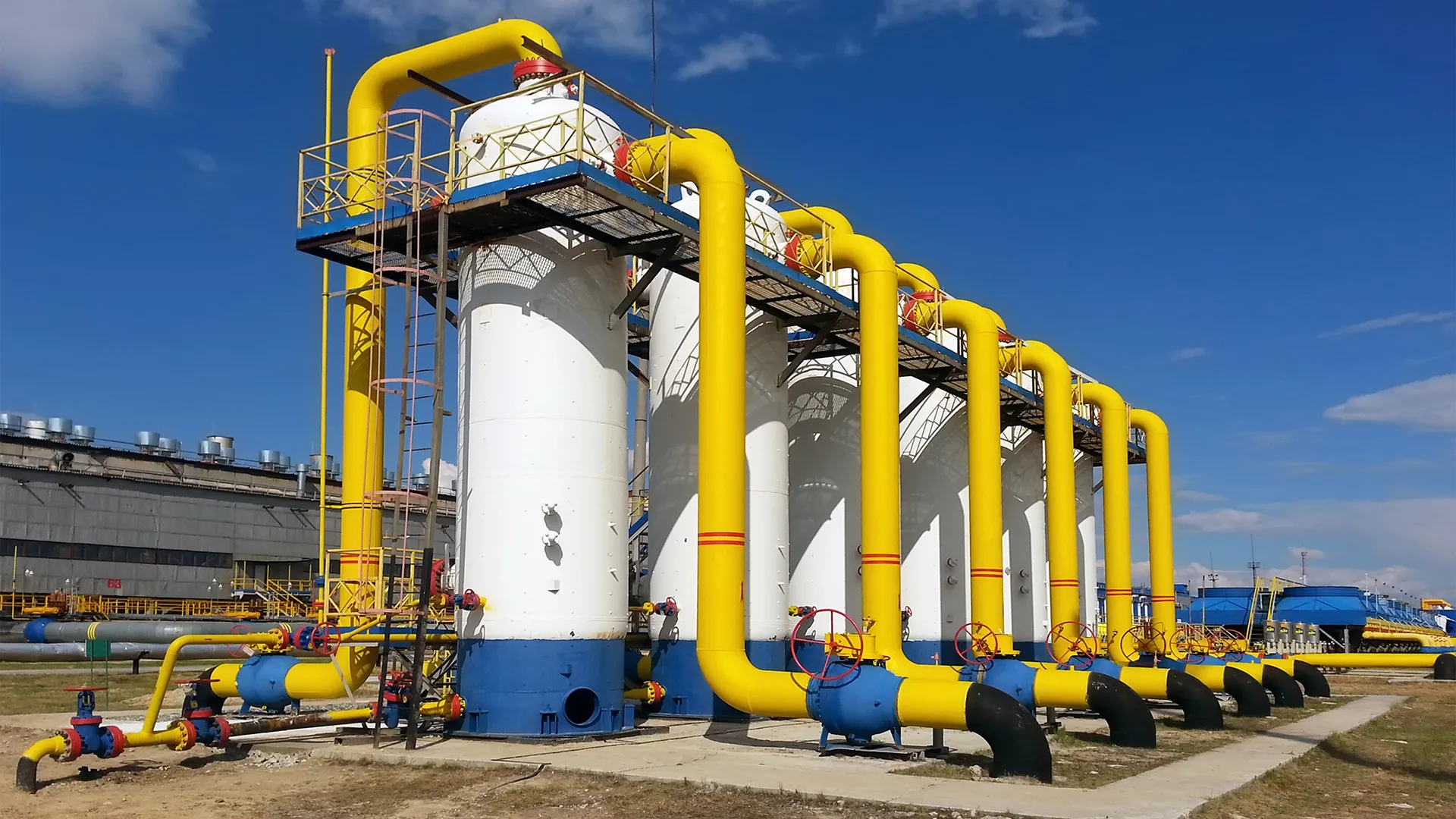
West African regulators are shifting attention from exporting crude to building a regional market where refined petroleum products can be priced, traded and distributed within Africa through stronger infrastructure and cross border cooperation.

West Africa is moving towards a common petroleum market. Leaders are set to meet in Abuja, Aug 11-12, 2026, to discuss infrastructure and financing for transparent regional fuel pricing and trade.
The Nigerian Midstream and Downstream Petroleum Regulatory Authority, NMDPRA, announced the conference in Abuja, saying the effort is aimed at allowing petroleum products to be traded more efficiently and competitively while developing a regional price benchmark.
The meeting follows progress recorded after the first conference held in July 2024, which focused on creating a regional reference market for refined petroleum products.
Since then, the West Africa Regulator Forum has been established, West Africa reference prices have been published and S&P Global Commodity Insights has opened a regional office in Abuja, giving the initiative stronger support.
Regional market plan enters next phase
NMDPRA Authority Chief Executive, Malam Rabiu Umar, said the second edition of the West Africa Refined Fuel Market Conference will be organised with S&P Global Commodity Insights and the West Africa Regulator Forum under the theme, "Funding West Africa Infrastructure & Distribution to Create a Transparent Market for Regional Price Benchmarks."
He said the region has reached a point where it can play a stronger role in determining how petroleum products are priced and traded within Africa instead of relying on prices set outside the continent.
Umar explained that the conference is intended to establish West Africa as "a credible regional marketplace where petroleum products can be traded efficiently, transparently, and competitively."
He said discussions will centre on sharing knowledge about developments in Africa's energy market, identifying investment opportunities, improving transparency, strengthening supply security, developing an African reference price benchmark and examining ways to expand and modernise refining capacity to improve energy security, reduce dependence on imported fuel and support economic development.
Umar also stressed that reliable market data is necessary for transparent pricing, informed investment decisions, risk management and confidence in the market, while helping regulators make evidence based decisions.
Infrastructure identified as foundation for fuel trade
Umar said regulation alone cannot deliver an efficient regional petroleum market without the facilities needed to transport, store and distribute products.
"Efficient markets require efficient infrastructure," he said.
He listed priority investment areas to include gas processing, transportation, liquefaction and compression facilities, petroleum storage depots, pipelines, marine terminals, strategic petroleum reserves, liquefied natural gas infrastructure, logistics corridors, refineries, ports, rail systems, road networks and digital commodity trading platforms.
He said investment in these facilities would reduce supply costs, improve energy security and strengthen cooperation among countries in the region.
Better infrastructure would also reduce supply disruptions, lower logistics costs, encourage competition and improve dependable access to petroleum products.
Umar noted that energy markets extend outside national boundaries, making cooperation necessary to optimise infrastructure, improve market efficiency, reduce duplication and strengthen regional energy security.
NMDPRA said the conference is expected to produce new investment partnerships, stronger cooperation among regulators, infrastructure financing initiatives, policy recommendations, roadmaps for logistics and trading infrastructure, and increased participation by private sector investors.
Umar said West Africa is one of the fastest expanding energy markets because of increasing refining capacity, rising demand, its strategic geographic position and opportunities throughout the petroleum value chain.
Related Stories
Sign up for our newsletter.
Get the latest news, expert analysis, and industry insights delivered straight to your inbox. Join thousands of professionals shaping the future of energy.
By submitting my information, I agree to the Privacy Policy and Terms of Service.