Power
Nigeria’s Tinubu Renews Power Sector Reform Push
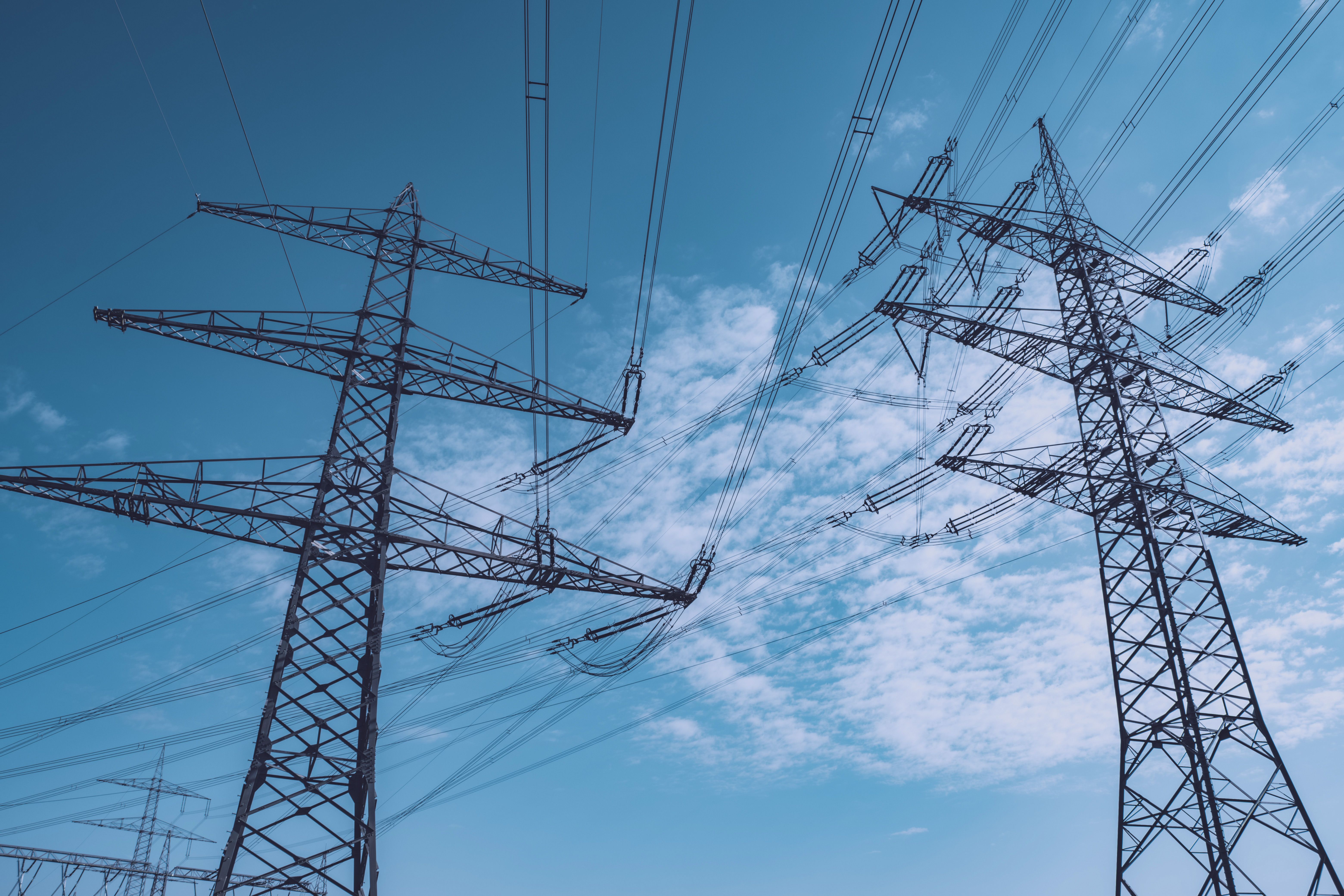
President Bola Tinubu says ongoing power sector reforms aim to fix structural challenges, strengthen electricity infrastructure, and expand access as Nigeria works toward a more sustainable and reliable energy system.
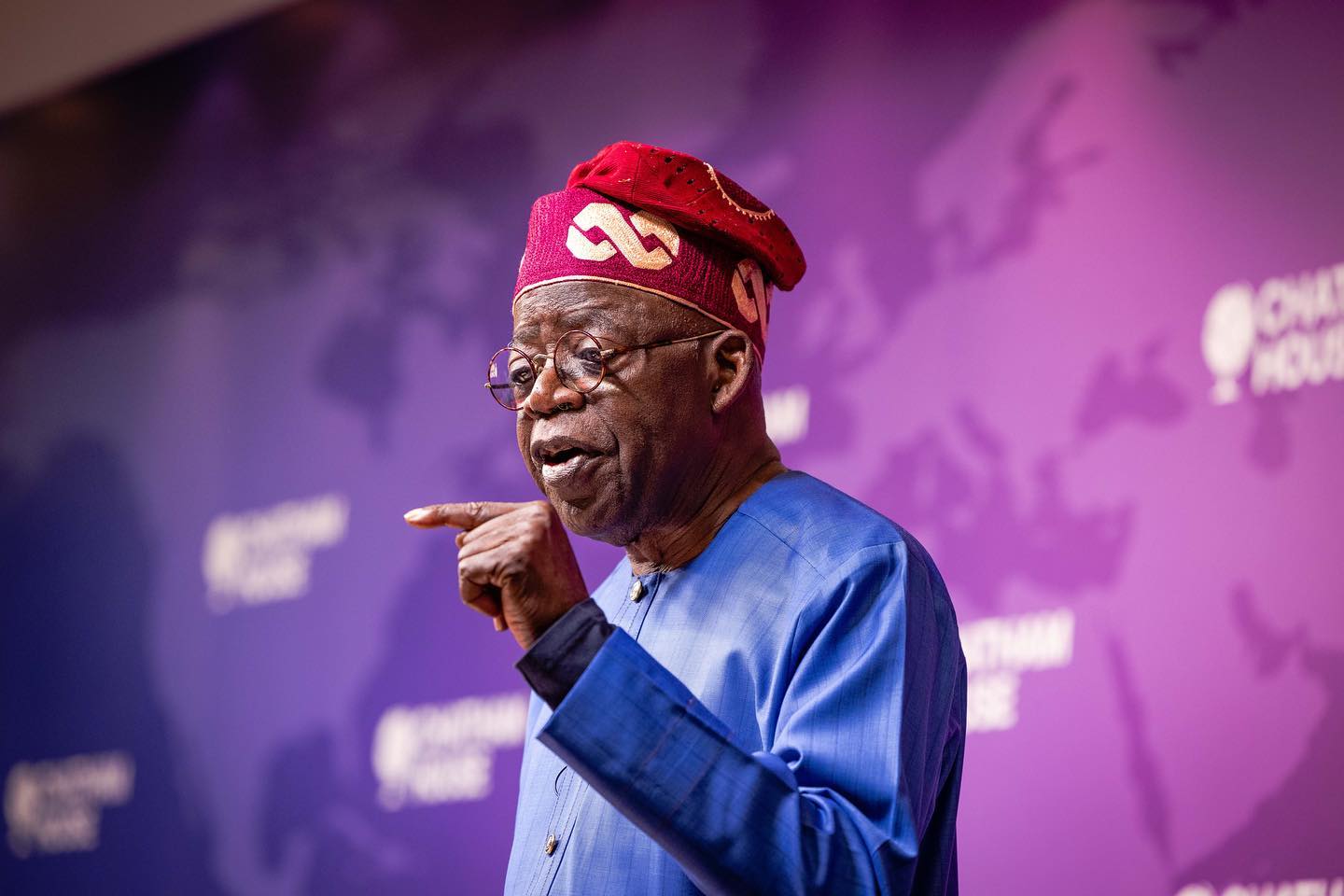
Nigeria's President Bola Tinubu has reaffirmed his administration’s commitment to overhauling Nigeria’s electricity sector, describing reliable power supply as a fundamental benefit that citizens should expect from democratic governance.
In his Democracy Day address, the president acknowledged the deep-rooted challenges that continue to affect electricity delivery but argued that recent reforms are laying the foundation for a more resilient and financially sustainable power industry.
Tinubu said the government inherited a sector constrained by inadequate generation, unreliable gas supply, weak transmission infrastructure, high distribution losses and a metering shortfall affecting more than four million customers. He added that longstanding financial obligations across the electricity value chain had further undermined operational efficiency and investment.
According to the president, despite significant installed generation capacity, poor plant availability, ageing infrastructure and transmission bottlenecks have prevented the country from delivering sufficient electricity to consumers, leaving many households and businesses dependent on expensive alternative energy sources.
He pointed to the Electricity Act as a key reform that decentralises the sector by empowering states to generate, transmit and distribute electricity within their jurisdictions, creating opportunities for increased investment and innovation across the country.
Tinubu also highlighted measures to address the sector’s financial challenges, including plans for a ₦4 trillion bond to clear verified legacy debts and initiatives by the Presidential Power Sector Task Force to reduce the nation’s metering deficit.
Excluding grid improvements, the administration is expanding electricity access through off-grid and mini-grid projects implemented by the Rural Electrification Agency with support from the World Bank and the African Development Bank. These projects target underserved communities as well as public institutions such as universities, markets and hospitals.
The president maintained that the reforms are intended to reverse years of structural weaknesses and create a more reliable electricity system capable of supporting economic growth, improving living standards and reducing dependence on costly self-generation.
The structural weaknesses the president described have repeatedly tipped into outright failure. Nigeria's national grid collapsed around twelve times in 2024, with several of those breakdowns cutting generation from a few thousand megawatts to almost nothing within minutes.
The collapses continued into 2025, plunging large parts of the country into darkness for hours at a time. By some estimates, the grid has broken down over 100 times in the past decade, affecting households and businesses.
Related Stories
World Bank-Backed DARES Programme Gets $243m Boost to Tackle Energy Poverty
Nigeria’s Tinubu Renews Power Sector Reform Push
Nigeria Targets 209GW of Solar Capacity as $11bn Project Pipeline Expands
Daystar Power, Sterling Bank Launch Hybrid Financing Model to Accelerate Clean Energy Adoption in Nigeria
Sign up for our newsletter.
Get the latest news, expert analysis, and industry insights delivered straight to your inbox. Join thousands of professionals shaping the future of energy.
By submitting my information, I agree to the Privacy Policy and Terms of Service.