Oil & Gas
West African States Sign Agreement to Advance Atlantic Gas Pipeline
The African Atlantic Gas Pipeline moves closer to implementation after ECOWAS states sign an agreement that could expand gas trade, power supply and industrial growth.
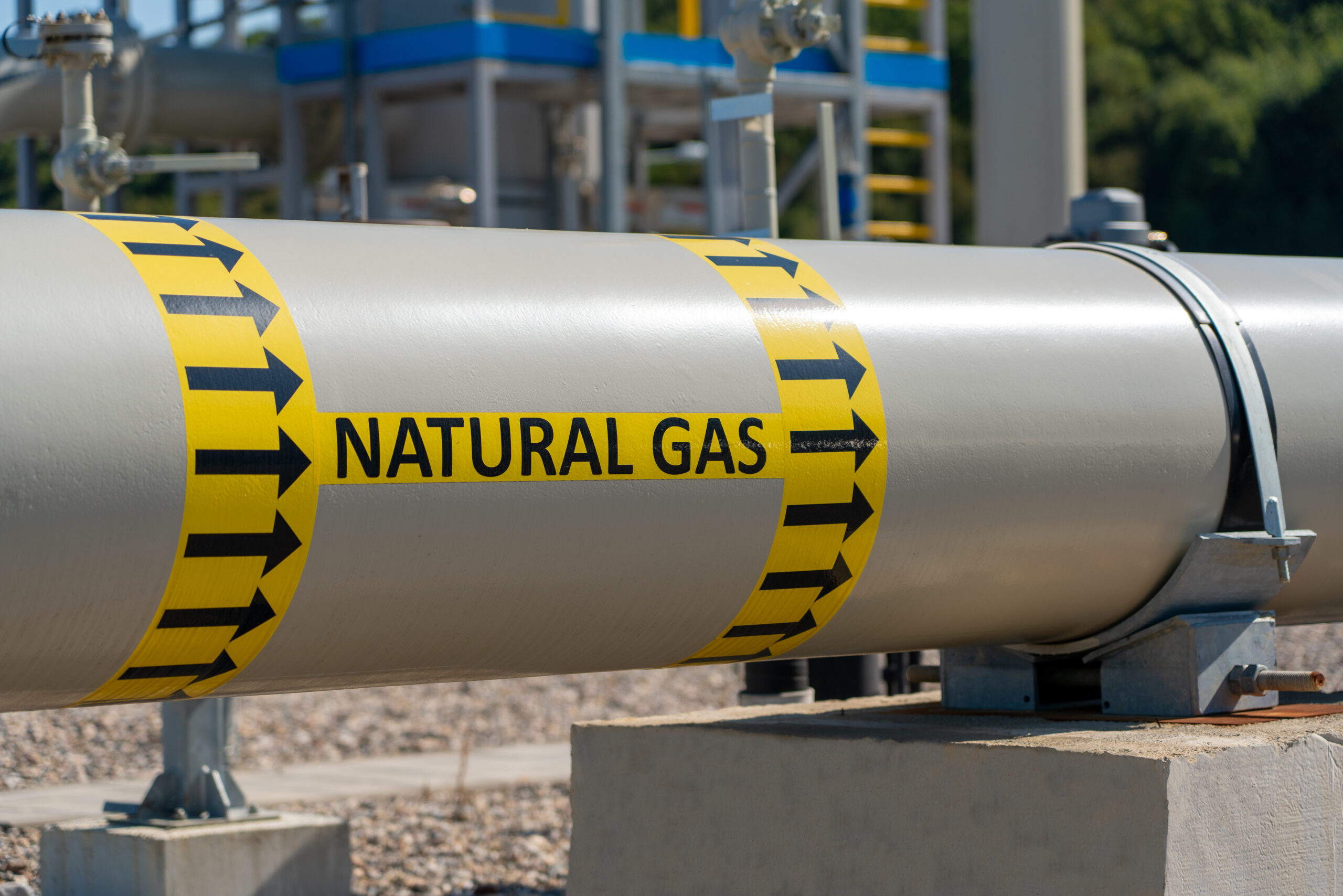
West African countries have signed an intergovernmental agreement for the African Atlantic Gas Pipeline (AAGP), taking the long-planned project a step closer to construction and creating a framework for a regional gas network that could improve energy supply, support industries and connect African gas resources to Morocco and Europe.
The agreement was signed by the Heads of State of ECOWAS member countries at the regional bloc's summit in Freetown, Sierra Leone, at the weekend.
The 6,900-kilometre pipeline is designed to transport up to 30 billion cubic metres (bcm) of natural gas annually from Nigeria through 13 Atlantic coastal countries, with connections planned for landlocked countries in the Sahel.
The project is being jointly promoted by the Nigerian National Petroleum Company Limited (NNPC Ltd.) and Morocco's Office National des Hydrocarbures et des Mines (ONHYM).
The latest agreement is significant because it gives the project the formal backing of participating West African governments, moving it beyond planning and towards the institutional arrangements required for implementation.
The pipeline could help address one of West Africa's biggest energy challenges: inadequate and unreliable access to gas and electricity. By connecting gas-producing countries with markets that face energy shortages, the project could support power generation, reduce supply constraints for industries and encourage new investment along the pipeline route.
It could also give Nigeria a larger market for its natural gas at a time when the country is seeking to increase gas production and use the resource to support economic growth.
Pipeline could reshape regional gas trade
The AAGP is planned to run from Nigeria along the West African Atlantic coast to Morocco, where it would connect with the Maghreb-Europe Gas Pipeline.
The link could create a wider gas corridor between West Africa, North Africa and Europe. Of the pipeline's planned annual capacity, up to 15 bcm could be supplied to Morocco and European markets, according to the project promoters.
For Nigeria, the project offers a route to monetise more of its vast gas resources while expanding export opportunities. For other participating countries, it could provide access to a more reliable source of fuel for electricity generation and industrial activity.
The pipeline could also support the development of gas-based industries, including fertiliser, petrochemicals and manufacturing, while creating jobs and encouraging infrastructure investment across the region.
The agreement follows the approval of the project at the 66th Ordinary Session of the ECOWAS Summit in Abuja in December 2024 and builds on the 2022 Memorandum of Understanding signed by Nigeria and Morocco.
The project was initiated under the shared vision of former President Muhammadu Buhari and Morocco's King Mohammed VI and continues to receive the backing of President Bola Tinubu.
NNPC Ltd. Group Chief Executive Officer Bashir Bayo Ojulari described the agreement as the sovereign foundation needed to move the project towards implementation. He said the pipeline would support efforts to bring about 3 billion cubic feet of Nigerian gas per day to market.
ONHYM Director General Amina Benkhadra described the agreement as another important step towards establishing an integrated Atlantic African energy market.
Project moves towards investment decision
The signing by ECOWAS countries completes an important part of the project's intergovernmental framework. A further ceremony involving Morocco and Mauritania is expected to complete the remaining signatures.
The project promoters have already completed Front-End Engineering Design (FEED) studies, route reconnaissance surveys and advanced environmental and social assessments.
Following the remaining signatures, the project is expected to establish the Pipeline Higher Authority (PHA) in Abuja and the AAGP Project Company in Casablanca. These bodies will oversee the next stages of development and prepare the project for a Final Investment Decision (FID), the point at which investors formally commit funds for construction.
If it reaches that stage and secures financing, the AAGP could become one of Africa's most significant energy infrastructure projects, linking gas resources in Nigeria and other West African countries to new markets while supporting electricity supply and industrial development across the region.
Its success, however, will depend on securing the substantial financing required for construction, completing the remaining regulatory arrangements and maintaining cooperation among the participating countries over the project's long development period.
Related Stories

Sign up for our newsletter.
Get the latest news, expert analysis, and industry insights delivered straight to your inbox. Join thousands of professionals shaping the future of energy.
By submitting my information, I agree to the Privacy Policy and Terms of Service.