Oil & Gas
Dangote Ends Dollar Petrol Sales as Marketers Return to Naira Purchases
The end of Dangote Refinery's dollar pricing experiment has eased pressure on Nigeria's downstream fuel market, but consumers still face higher petrol costs.
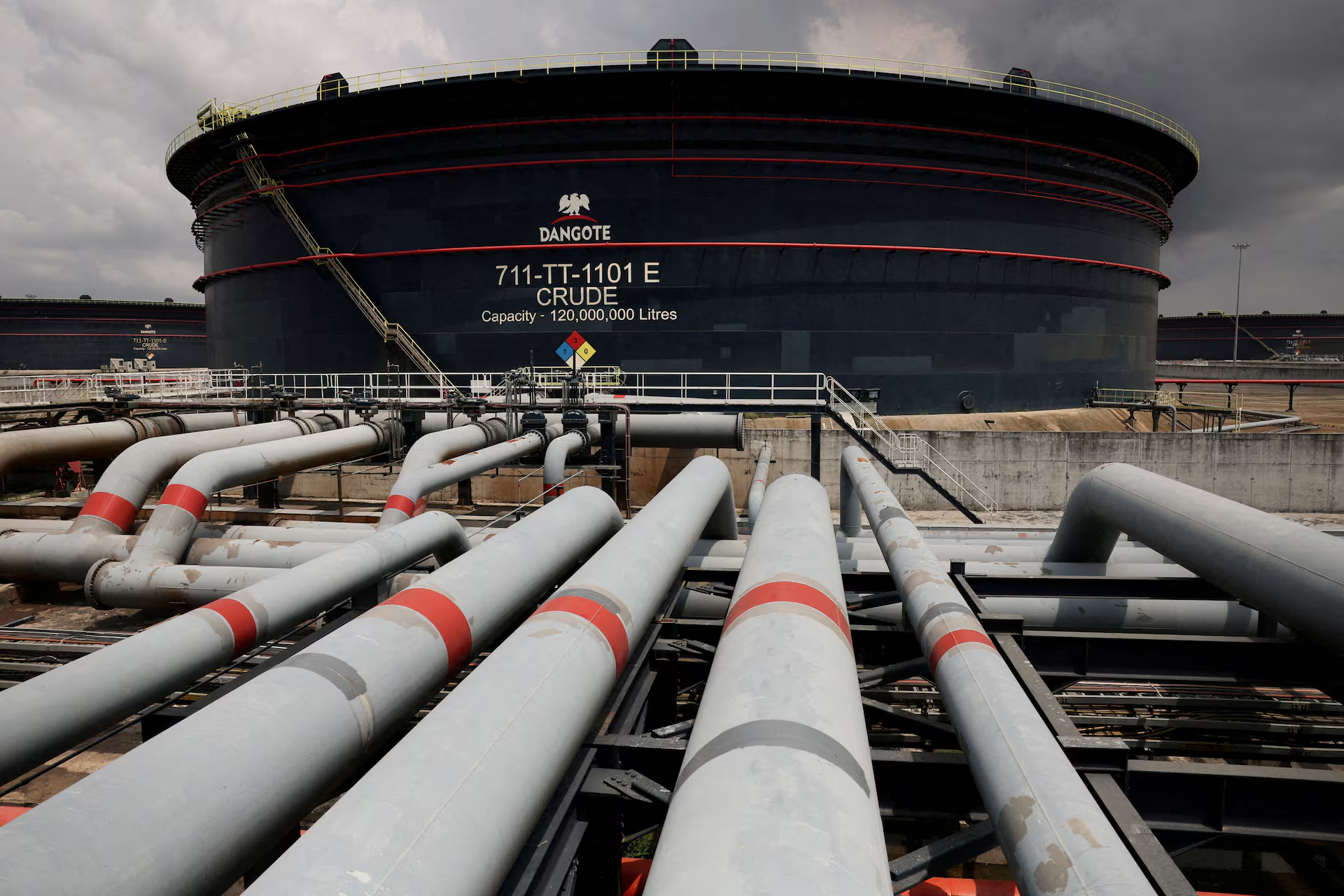
Petrol marketers can once again buy fuel from Dangote Petroleum Refinery in naira after the company ended its week-long dollar pricing system and resumed local currency sales.
The refinery restarted gantry truck loading and coastal deliveries under the revised pricing model, fixing its ex-depot price at N1,215 per litre.
The decision is crucial since it removes a major obstacle that had slowed fuel distribution and pushed pump prices higher in several parts of the country.
The return to naira transactions follows disruptions that affected fuel supply after the refinery switched to dollar pricing on July 13. The temporary policy made it difficult for many marketers to buy products because of limited access to foreign exchange. The result was lower lifting volumes and higher retail prices.
Marketers resume purchases in naira
Dangote Refinery notified marketers that petrol sales have resumed in naira through both gantry loading and coastal supply channels.
The refinery also directed marketers with pending Authorities to Communicate (ATCs) to return them for immediate repricing under the new rate.
While the payment method has changed back to naira, buyers will now pay N1,215 per litre at the depot, up from the previous price of N1,075 per litre. Coastal loading prices have also increased to N1,602,495 per metric tonne.
The increase means marketers will continue to face higher purchase costs, although they no longer need to source dollars before lifting products.
National President of the Independent Petroleum Marketers Association of Nigeria, Alhaji Abubakar Maigandi, welcomed the return to naira transactions.
He said the decision restores certainty to product supply and distribution, even though marketers must now adjust to the higher ex-depot price.
The refinery had suspended naira pricing on July 13 after cancelling existing invoices and introducing a price of 0.779 dollars per litre.
Dollar pricing strained fuel supply
The refinery linked its temporary dollar pricing policy to challenges under the Federal Government's naira-for-crude arrangement.
It explained that the volume of petroleum products sold in naira had exceeded the amount of crude oil supplied under the local currency arrangement.
To keep production running, the refinery bought larger volumes of crude oil from international markets, mainly from the United States. That exposed the company to higher foreign exchange costs and led to the temporary dollar pricing policy.
The change affected product distribution almost immediately. Many marketers reduced purchases because obtaining foreign exchange was difficult.
Private depots also increased their selling prices to about N1,274 per litre as they adjusted to higher replacement costs.
Pump prices later climbed above N1,300 per litre at several filling stations in Lagos and other commercial centres as supply tightened.
The return to naira payments removes the immediate pressure created by dollar transactions and allows marketers to plan product purchases with greater certainty.
Although the new depot price is N140 higher than before, it is still lower than the estimated cost of importing petrol into Nigeria.
The pricing decision also shows the influence of Dangote Refinery on Nigeria's downstream petroleum market. As the country's largest supplier of refined products, changes in its pricing structure quickly affect product distribution, depot prices and retail pump prices.
Marketers are expected to resume regular lifting of petrol, while consumers will continue to monitor whether improved supply leads to more stable pump prices in the coming weeks.
Related Stories



Sign up for our newsletter.
Get the latest news, expert analysis, and industry insights delivered straight to your inbox. Join thousands of professionals shaping the future of energy.
By submitting my information, I agree to the Privacy Policy and Terms of Service.