Oil & Gas
Nigeria Seeks Bigger Oil Reserves as 2025 Bid Round Ends
Nigeria's drive to unlock more oil and gas gains pace as the government pushes to increase reserves, attract investment and boost future crude production.

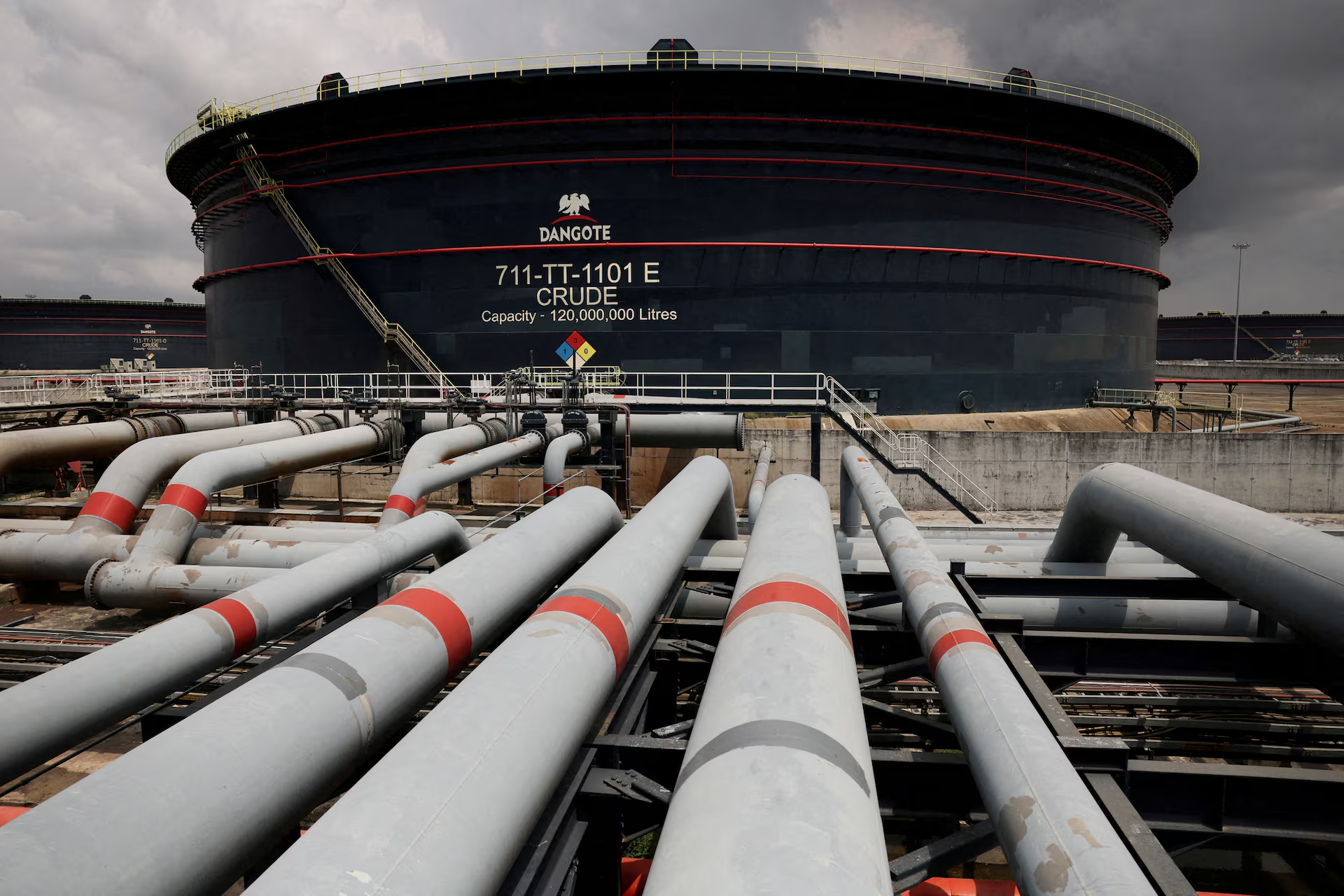
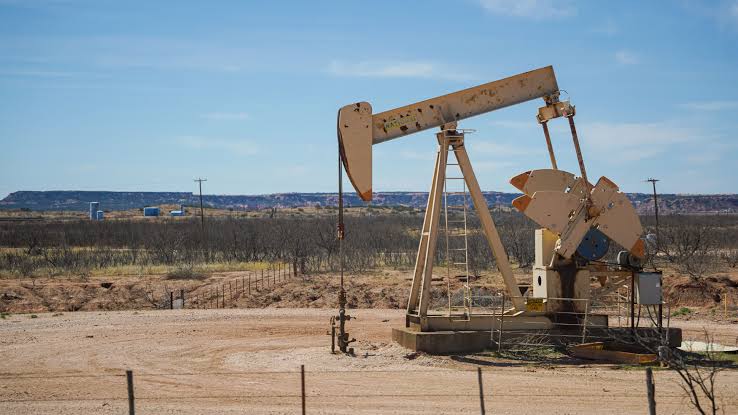
Nigeria is seeking to increase its oil reserves by 500 million barrels after concluding the bidding stage of its 2025 oil licensing round, with 143 companies competing for 37 oil and gas assets. The Nigerian Upstream Petroleum Regulatory Commission (NUPRC) completed the technical and commercial bid opening in Abuja on Tuesday, saying the effort will help lift crude production, strengthen energy security and support the government's target of producing three million barrels of oil per day by 2030.
Nigeria currently holds 37.01 billion barrels of crude oil and condensate reserves and 215.19 trillion cubic feet of gas. The licensing round is aimed at expanding those reserves by bringing new fields into production and attracting investment into the upstream petroleum sector.
The exercise also forms part of the Federal Government's plan to improve crude output after years of production setbacks linked to underinvestment, oil theft and ageing facilities. Bringing new assets into production could increase government earnings, improve foreign exchange inflows and create more work for indigenous oil service companies.
New reserves targeted through licensed assets
The Commission said interest in the licensing round was high. About 300 companies initially indicated interest in 50 available assets. After screening, 196 firms qualified to participate, while 143 eventually submitted 200 bids covering 37 assets.
Commission Chief Executive Mrs. Eyesan said the process followed a timetable published eight months earlier after President Bola Tinubu directed the Commission to create new investment opportunities through a transparent licensing process.
She said the Commission completed both the technical and commercial bid opening on July 21, 2026, in line with the announced schedule.
The technical assessment examined each bidder's experience, operational capacity, financial strength and ability to execute planned work. The commercial stage will assess factors such as the signature bonus, work programme commitments and financial guarantees before final winners are selected.
Rather than relying only on the highest payment, successful companies will emerge through a weighted scoring system that measures both financial offers and their ability to deliver projects.
The Nigeria Extractive Industries Transparency Initiative observed the evaluation and bid-opening process as part of efforts to strengthen public confidence.
Production plans tied to strict performance rules
The Commission said the assets offered during the licensing round could contribute at least 300,000 barrels of crude oil and condensate per day within three years if fully developed.
That additional output would support Nigeria's ambition of reaching three million barrels per day by 2030 while increasing the country's proven reserves.
Mrs. Eyesan warned that winning a block would not automatically lead to a petroleum prospecting licence. Successful bidders must satisfy all post-bid conditions within 90 days of receiving their offer letters.
These conditions include payment of the signature bonus, payment of the first year's rent, submission of financial guarantees and execution of the required agreements. Any company that fails to meet the conditions will lose the asset to the next ranked bidder.
She stressed that licences would not be awarded to companies interested only in holding acreage without carrying out exploration and production.
"The Government is not seeking speculative holders of acreage; it is seeking partners with the capacity, discipline and commitment to deliver measurable production and economic value," she said.
The Commission also assured successful operators that it would provide regulatory support and timely decisions where genuine operational challenges arise.
Companies that were unsuccessful in the current exercise were encouraged to remain interested in future opportunities, with the Commission confirming that President Tinubu has approved the commencement of the 2026 licensing round.
The next exercise is intended to sustain investment in Nigeria's upstream petroleum sector as the government works to increase reserves, expand production and improve the sector's contribution to the national economy.
Related Stories

Sign up for our newsletter.
Get the latest news, expert analysis, and industry insights delivered straight to your inbox. Join thousands of professionals shaping the future of energy.
By submitting my information, I agree to the Privacy Policy and Terms of Service.