Renewables
Zambia Adds 100MW Solar Capacity as Power Supply Improves
Zambia's new 100MW Chisamba solar plant doubles the complex's capacity, helping diversify the power mix, reduce drought risks and support the country's energy security goals.
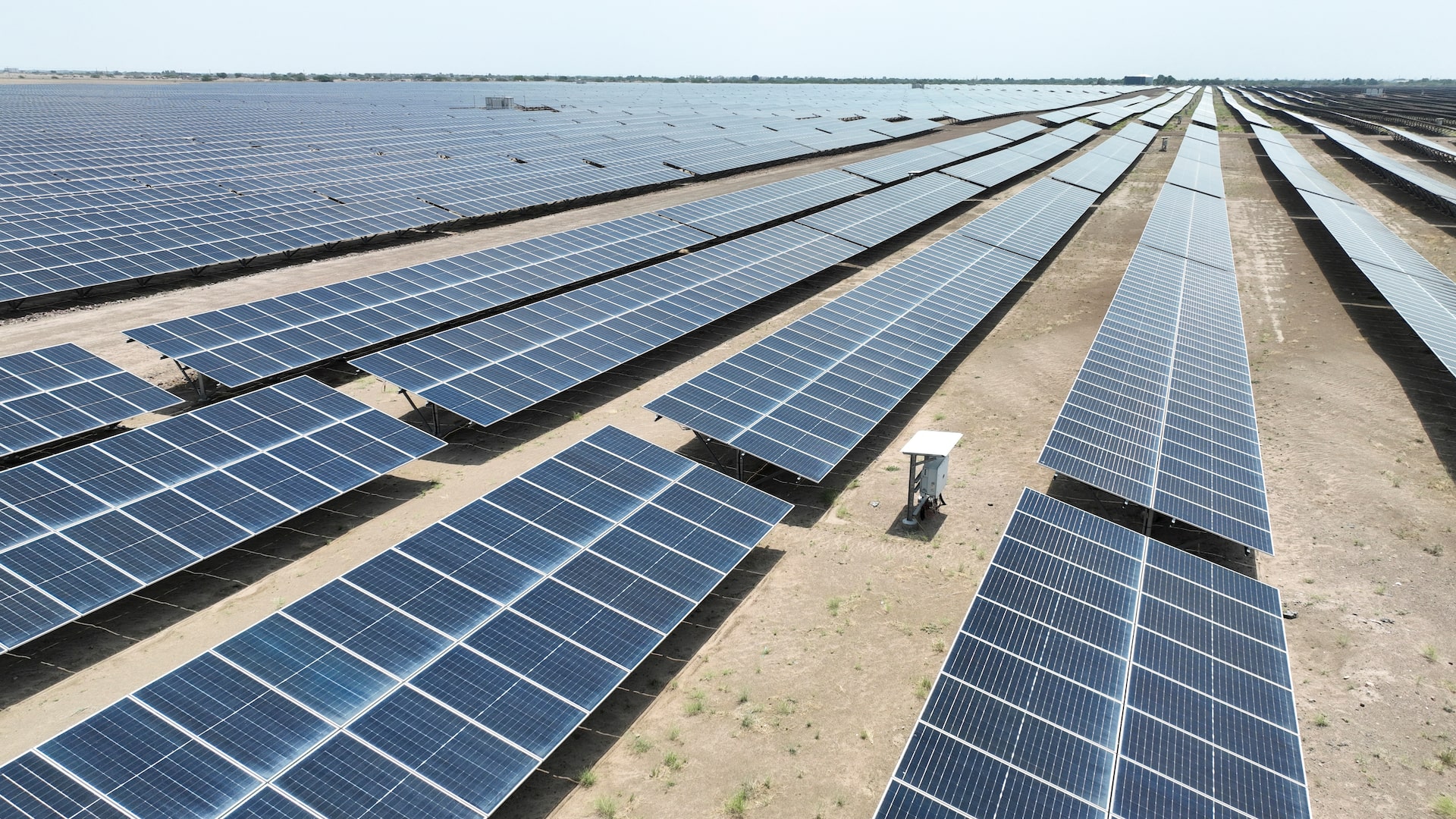
Zambia has added another 100 megawatts (MW) of solar power to its national grid with the commissioning of the $70 million Chisamba Phase II Solar Power Plant, as the government moves to reduce the country's dependence on hydropower and strengthen electricity supply.
President Hakainde Hichilema commissioned the plant on Tuesday, bringing the total capacity of the Chisamba Solar Complex to 200MW and adding to the country's growing renewable energy capacity.
The development comes after Zambia's severe 2024 drought exposed the risks of relying heavily on hydropower for electricity generation. The government has since increased its focus on solar and other sources of power to reduce the impact of low water levels on electricity supply.
Hichilema claimed that the government's investment in new generation projects had brought an end to load-shedding, with additional power now entering the national grid.
"The end of load-shedding has nothing to do with elections. It is because projects we initiated are now maturing and delivering power to the grid," he stated.
The new plant forms part of the government's plan to add 1,000MW of solar power by the end of 2026 and raise Zambia's total installed generation capacity to 10,000MW by 2030.
The significance of the Chisamba project goes beyond the additional electricity it provides. By increasing solar generation, Zambia is reducing its exposure to drought-related power shortages and building a more diverse electricity system. More reliable power could also support businesses, industries and households that have been affected by supply disruptions.
The project also demonstrates the growing role of solar power in Zambia's energy strategy. The country's electricity system has traditionally depended heavily on hydropower, leaving generation vulnerable when rainfall is poor and water levels in major reservoirs fall.
Chisamba complex becomes Zambia's largest solar plant
The new 100MW facility doubles the capacity of the Chisamba Solar Complex, making it the largest solar power complex in Zambia, according to ZESCO Managing Director Justin Loongo.
The project was completed in about seven months, compared with more than 10 months required to build Phase I. More than 1,400 jobs were created during construction.
President Hichilema also disclosed that the final cost of the project was reduced to $70 million from an initial estimate of $100 million.
The Central Province is also positioning itself as an important part of Zambia's growing power industry. According to Central Province Permanent Secretary, Milner Mwanakampwe, projects under development in the province could increase its installed generation capacity to 437MW by December 2026.
The government is also relying on private investment and partnerships to expand the country's renewable energy capacity. The Chisamba project involved PowerChina and other development partners, while traditional leaders provided land for energy infrastructure.
The push for more solar power is particularly important as Zambia seeks to meet rising electricity demand while dealing with the effects of climate change. Expanding solar generation can help reduce pressure on hydropower facilities and provide additional electricity during periods of low water availability.
The government will now need to maintain the momentum by completing planned projects, strengthening the transmission network and ensuring that new generation capacity reaches consumers and businesses.
Chief Chamuka, who spoke during the ceremony, urged residents to protect electricity infrastructure from vandalism and offered additional land for a proposed 50MW solar plant.
If Zambia delivers its planned solar expansion, the country could significantly reduce its dependence on hydropower and build a more resilient electricity system capable of supporting economic growth while making greater use of its abundant solar resources.
Related Stories


Sign up for our newsletter.
Get the latest news, expert analysis, and industry insights delivered straight to your inbox. Join thousands of professionals shaping the future of energy.
By submitting my information, I agree to the Privacy Policy and Terms of Service.