Renewables |Power
South Africa Secures 20-Year Clean Power Supply
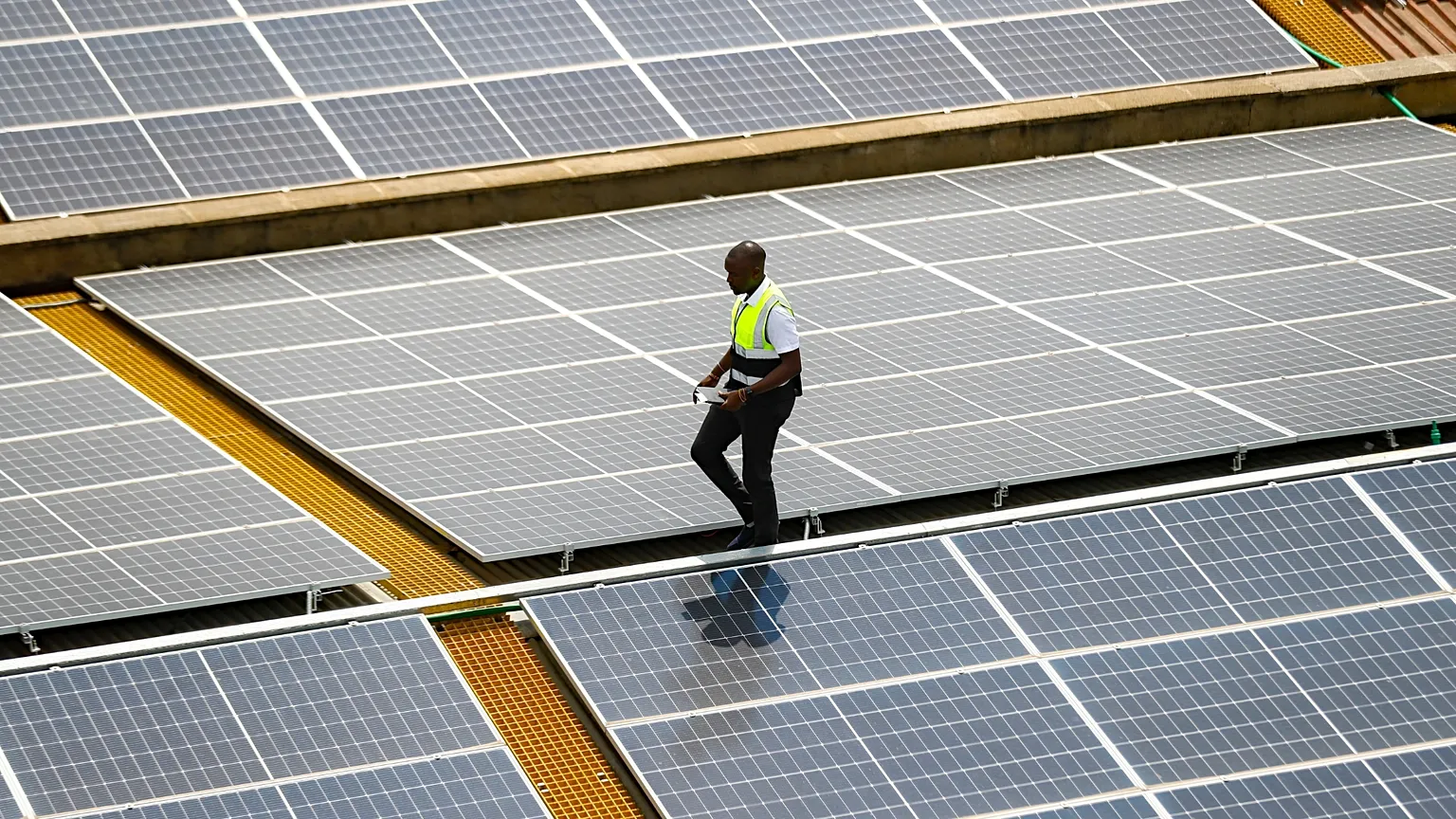
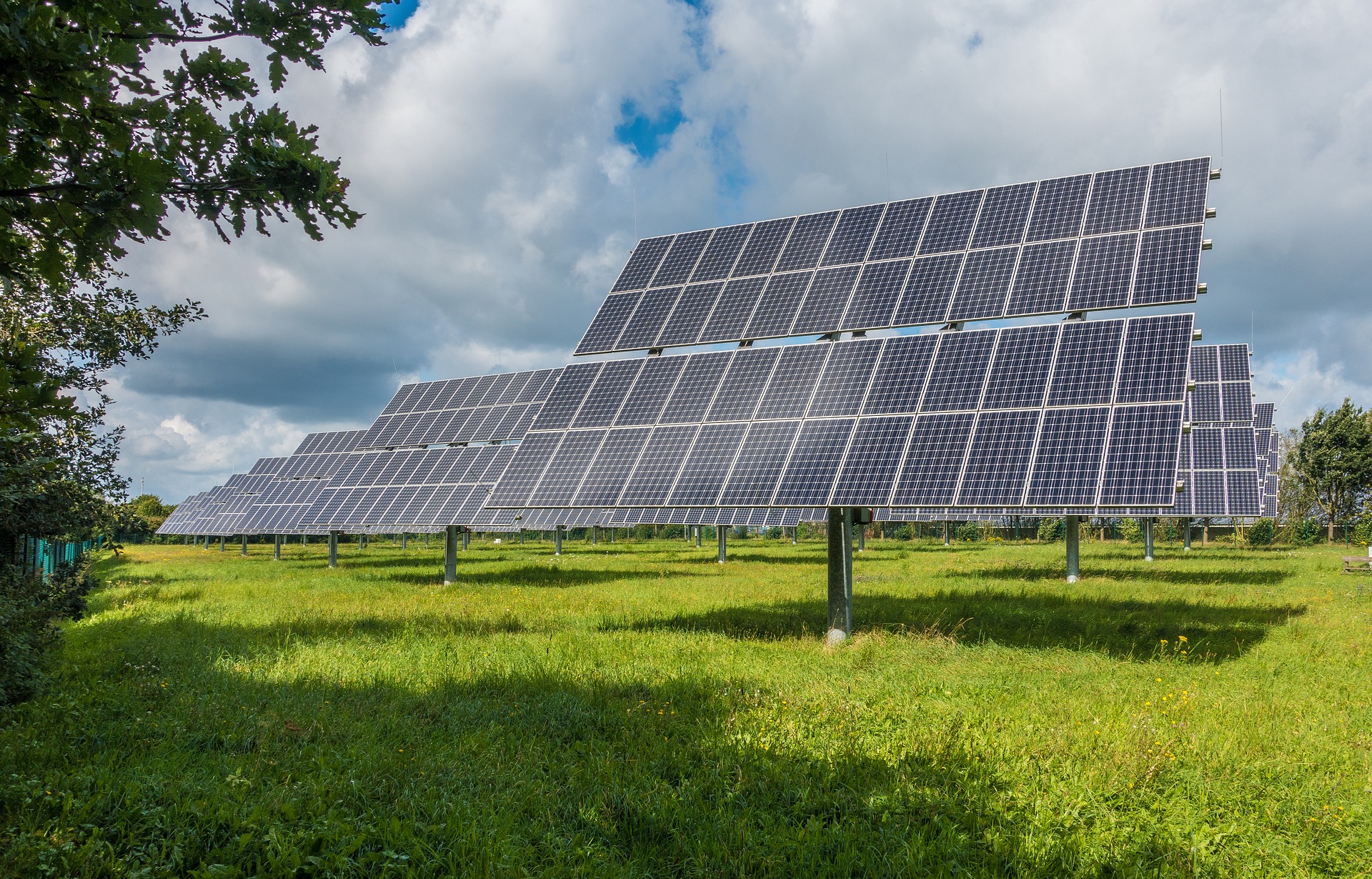
Africa's largest solar-battery hybrid power plant will generate enough electricity for about 200,000 South African homes each year, giving Eskom a long-term clean energy source and helping improve grid reliability.
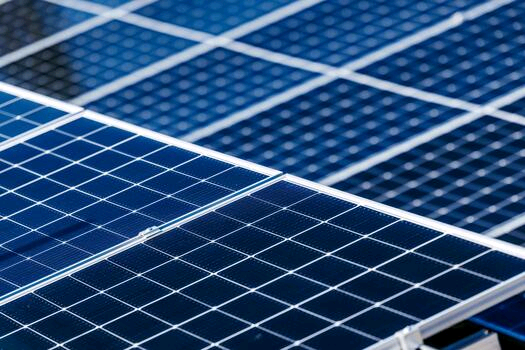
South Africa has secured a new long-term source of electricity after TotalEnergies and its partners commissioned the 216-megawatt Hydra Project in the Northern Cape, giving Eskom access to dispatchable renewable power under a 20-year agreement.
The hybrid plant combines solar generation with a 500-megawatt-hour battery storage system to supply electricity to the national grid from 5:00 a.m. to 9:30 p.m. every day. The project is meant to strengthen energy security, cut emissions and improve the reliability of power supply in Africa's biggest electricity market.
The commissioning gives South Africa another large private-sector electricity source as the country works to improve power supply and reduce dependence on fossil fuel generation. By combining solar power with battery storage, the facility can deliver electricity when it is needed rather than only when the sun is shining. That supports efforts to provide a more stable electricity system while lowering carbon emissions.
Long-term electricity supply for the national grid
The Hydra Project is located in South Africa's Northern Cape province and links a 216 MW solar photovoltaic plant with a 500 MWh battery energy storage system. Under its agreement with Eskom, the project will deliver 75 MW of dispatchable renewable electricity to the national grid every day during the period when electricity demand is high.
The facility is projected to produce more than 400 gigawatt-hours of electricity each year. That amount of electricity can meet the annual power needs of about 200,000 South African households.
Managing Director of TotalEnergies Southern Africa, said the project would improve the country's electricity supply while helping to reduce emissions.
"The Hydra project enables us to supply dispatchable renewable power to the South African grid, strengthening the country's energy security while decarbonising its electricity generation," she said.
She noted that the project also expands TotalEnergies' renewable energy portfolio in South Africa, which has the highest electricity demand on the African continent.
Hybrid system targets reliable renewable power
Hydra is owned by a consortium comprising TotalEnergies with a 35 per cent stake, Hydra Storage Holding with 35 per cent and Reatile Renewables with 30 per cent.
The project has been presented as Africa's largest hybrid renewable energy facility. Its combination of large-scale solar generation and battery storage enables electricity produced during the day to be stored and supplied later when demand is higher.
This approach addresses one of the main challenges linked to renewable energy by making electricity available beyond daylight hours. Battery storage also helps improve grid stability by supplying electricity during periods when solar generation alone would not be enough.
The project forms part of South Africa's plan to increase private investment in electricity generation while improving the reliability of the national grid.
Hydra was selected under the Risk Mitigation Independent Power Producer Procurement Programme introduced by South Africa's Department of Mineral Resources and Energy. The programme was created to attract private investment into electricity projects that can strengthen power supply and improve grid reliability.
South Africa has increased investment in renewable energy as it seeks to modernise its electricity system and lower emissions from power generation. Hybrid projects that combine renewable energy with battery storage are playing a larger role because they can provide electricity for longer hours than standalone solar plants.
The commissioning of Hydra also reflects the increasing use of battery technology in utility-scale power projects. Large battery systems allow electricity generated during periods of strong sunshine to be stored and delivered later, making renewable energy more dependable for households, businesses and industries.
With its 20-year supply agreement already in place, the Hydra Project is set to become a steady source of electricity for the national grid while supporting South Africa's drive for cleaner and more reliable power.
Related Stories
Sign up for our newsletter.
Get the latest news, expert analysis, and industry insights delivered straight to your inbox. Join thousands of professionals shaping the future of energy.
By submitting my information, I agree to the Privacy Policy and Terms of Service.