Oil & Gas
Zambia's ERB Holds Fuel Prices Steady for September Despite Rising Oil Costs
Zambia is absorbing global oil price shocks through tax relief rather than passing them to motorists, a strategy tested by growing import dependence.

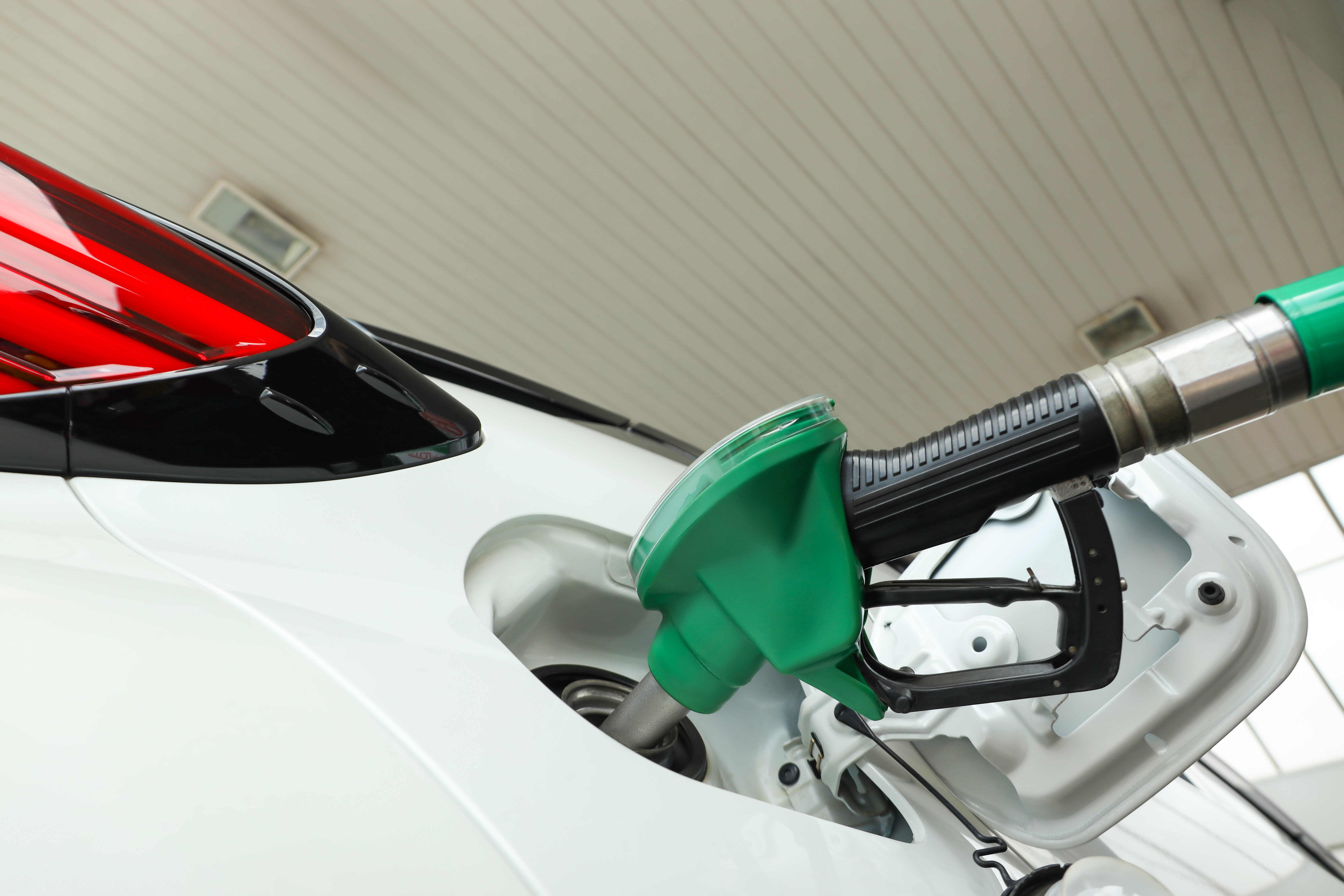
Zambia's Energy Regulation Board (ERB) has kept pump prices for petrol, diesel, kerosene and Jet A-1 unchanged for September, despite rising pressure on international oil prices linked to tensions in the Middle East.
ERB Board Chairperson James Banda said in a statement on Monday that international prices for the four products had come under pressure from geopolitical tensions in the Middle East and movements in the exchange rate. The decision comes as Zambia's dependence on imported petroleum leaves its fuel prices exposed to international markets and exchange-rate movements.
To hold prices steady, the regulator used a combination of measures, including suspending excise duty, a tax normally added to the cost of fuel, zero-rating value-added tax on petroleum products, and applying its regulatory price-smoothing mechanism, a tool that allows the ERB to absorb short-term cost increases rather than passing them immediately on to consumers.
The national uniform pump prices per litre will remain at 25.29 Zambian kwacha for petrol, 26.86 kwacha for diesel, 27.02 kwacha for kerosene and 28.71 kwacha for Jet A-1.
Zambia's fuel import bill has grown sharply
The September freeze comes against a backdrop of rapidly rising fuel imports. Zambia's fuel imports rose from 0.70 million tonnes in 2021 to 2.59 million tonnes in 2025, while the value of fuel imports reached K54.89 billion in 2025. That growing reliance on imports leaves the country more exposed to swings in global oil prices and the exchange rate, the same pressures the ERB cited in explaining September's price decision.
Finished petroleum products enter Zambia through regional supply routes including Tanzania, Mozambique and South Africa, with most low-sulfur diesel transported through the TAZAMA pipeline and other products moved by road. Zambia's petroleum pricing has gone through several changes over the past two decades: the ERB introduced price caps in 1999, liberalised pump prices in 2001, moved to an Import Parity Pricing model in 2004, and has used a Cost-Plus Pricing Model since 2008 to calculate prices based on the cost of imported feedstock.
Banda said the current prices would stay in force until the next scheduled review, when the regulator will reassess whether the tax suspensions and price-smoothing measures remain sufficient to offset the pressure coming from global oil markets and the kwacha's movements.
Related Stories


Sign up for our newsletter.
Get the latest news, expert analysis, and industry insights delivered straight to your inbox. Join thousands of professionals shaping the future of energy.
By submitting my information, I agree to the Privacy Policy and Terms of Service.