Policy & Governance
500,000 Meters: Nigerian Gov’t Threatens Sanctions Against Consumer Extortion
The warning follows the President Tinubu-led administration’s readiness to close Nigeria’s estimated seven million electricity meter gap with the deployment of 3.4 million smart meters, taking delivery of 500,000 units in the last tranche.
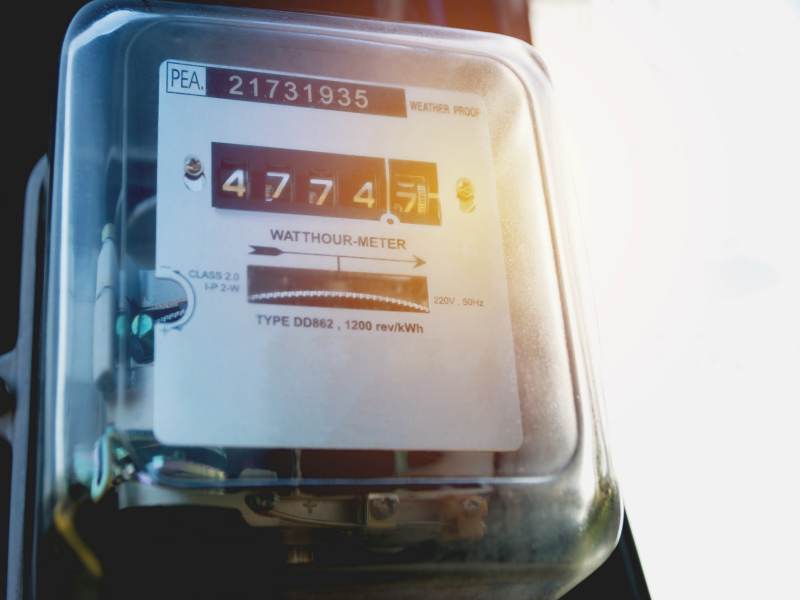
The Nigerian government has warned electricity distribution companies (DisCo) and electricity installers found extorting consumers for meters will face legal consequences.
Adebayo Adelabu, the country’s minister of power, made this known at an on-site inspection of the newly imported meters at APM Terminals, Apapa, Lagos State.
“These meters are to be installed and distributed to consumers free of charge, free of charge! Nobody should collect money from any consumer. It is an illegality. It is an offence for the officials of distribution companies across Nigeria to request a dime before installation” he said.
He explained that the meters were procured under the World Bank–funded Distribution Sector Recovery Programme (DISREP) and must be installed free of charge.
Closing a wide gap
The warning follows the President Tinubu-led administration’s readiness to close Nigeria’s estimated seven million electricity meter gap with the deployment of 3.4 million smart meters, taking delivery of 500,000 units in the last tranche.
Adelabu said that the initiative had led to the distribution of about one million meters, with about 150,000 installed across customers across the country, while a fresh consignment of nearly 500,000 meters had just arrived.
According to him, “The main objective of coming here today, really, is to carry out a physical onsite inspection of shipments of smart meters that the Federal Government has imported under the World Bank-funded Distribution Sector Recovery Programme.”
“This programme is supporting the Federal Government to import a total of about 3.4 million meters in two batches, the first batch of 1.43 million meters, of which we have received close to about a million meters. Currently, almost 150,000 meters have already been installed across all distribution companies in the four corners of the country,” he added.
He added that the latest delivery signals an intensified effort on the part of the Nigerian government.
Why universal metering matters
In the words of Adelabu, universal metering is important to restore transparency, improve revenue collection, and stabilise the electricity market.
He linked improved liquidity to sector-wide efficiency and broader economic impact, noting that enhanced revenue would enable operators to meet energy costs, improve operations, and deliver a reliable power supply.
“When you have improved liquidity in the sector, the sectoral revenue will be able to pay a higher percentage of the energy cost in the industry, which will eventually lead to improvement in efficiency, improvement in effectiveness of operations, and we will be able to achieve the much awaited stability, reliability and functionality of electric supply… which will aid and accelerate our economic growth and industrial development,” he said.
Related Stories



Sign up for our newsletter.
Get the latest news, expert analysis, and industry insights delivered straight to your inbox. Join thousands of professionals shaping the future of energy.
By submitting my information, I agree to the Privacy Policy and Terms of Service.