Renewables |Finance
AfDB Backs Egypt’s 500MW Solar Project with $66m Financing
AfDB's investment in Egypt's Dandara solar project showcases how renewable energy can power industry, attract private capital and strengthen Africa's transition to cleaner manufacturing.
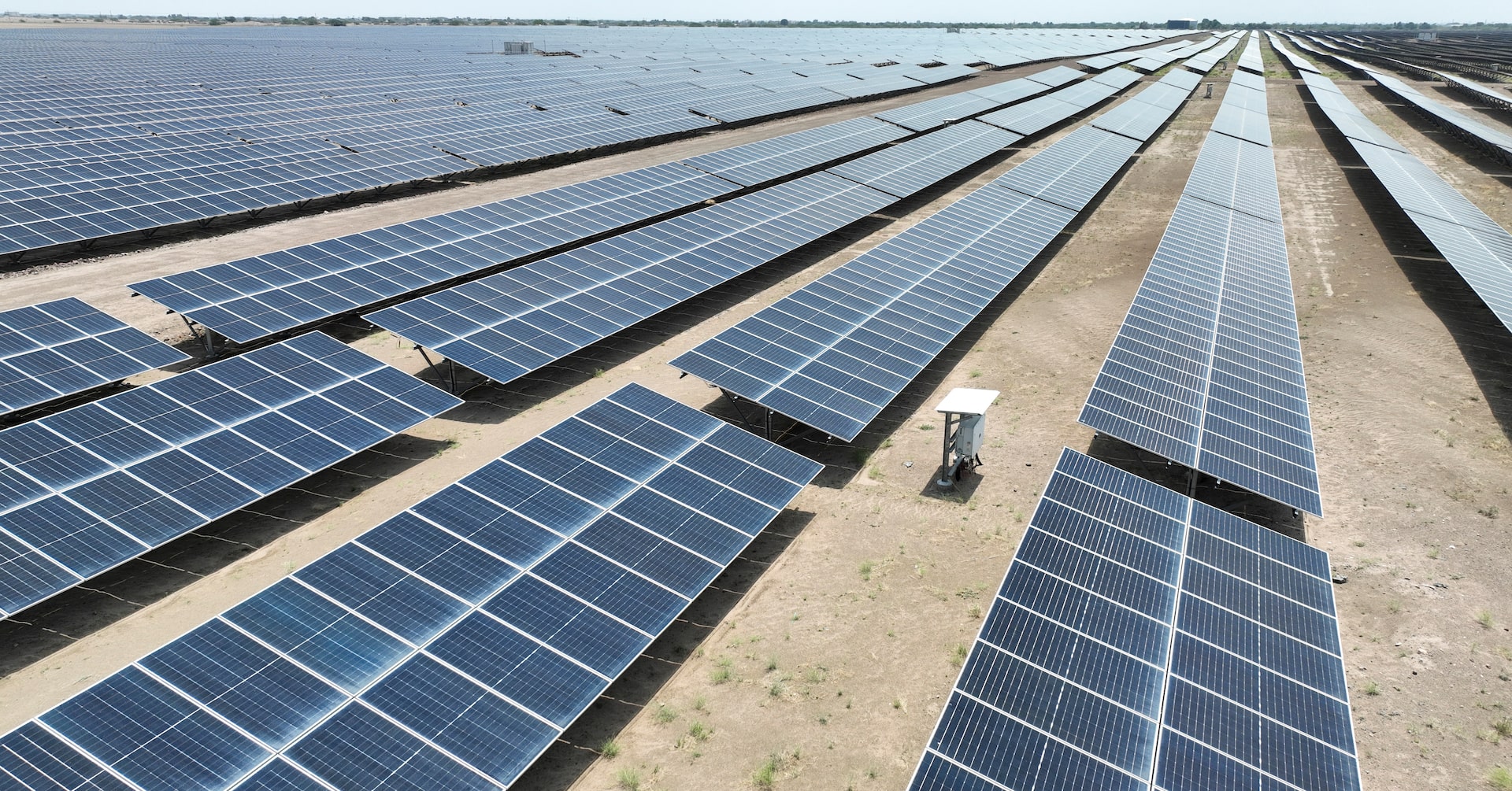
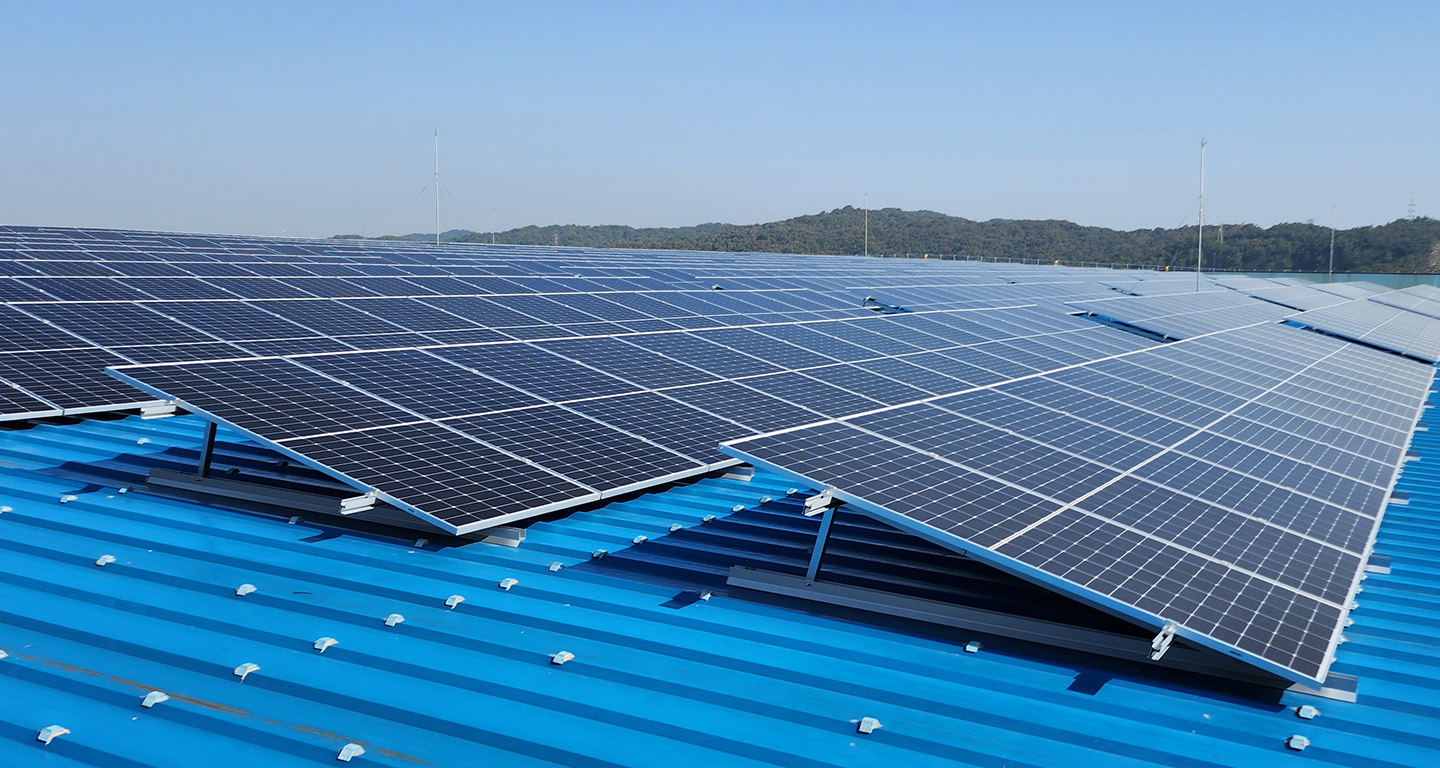
The African Development Bank Group has approved a financing package of up to $66 million for the first phase of the 500MW Dandara solar power project and a 100MWh battery energy storage system in Egypt's Qena Governorate.
The project is one of Africa's largest renewable energy developments dedicated to supplying electricity directly to an industrial consumer. It also illustrates how development finance is increasingly being used to help African manufacturers adopt cleaner energy, maintain access to export markets and attract private investment into large-scale renewable energy projects.
AfDB's financing comprises $46 million from its ordinary resources and $20 million in concessional funding from the Climate Investment Funds' Clean Technology Fund. Additional debt financing will be mobilised from a consortium of development finance institutions, bringing the total project cost to more than $290 million.
Construction, operation and maintenance of the solar plant will begin under the financing arrangement, with commercial operations scheduled to commence in early 2028.
The Aluminium Company of Egypt (EgyptAlum) will purchase all the electricity generated under a 25-year Power Purchase Agreement (PPA), a long-term contract through which an electricity producer supplies electricity to a customer at agreed prices and conditions. The electricity will be transmitted through Egypt's national grid under a wheeling agreement with the Egyptian Electricity Transmission Company.
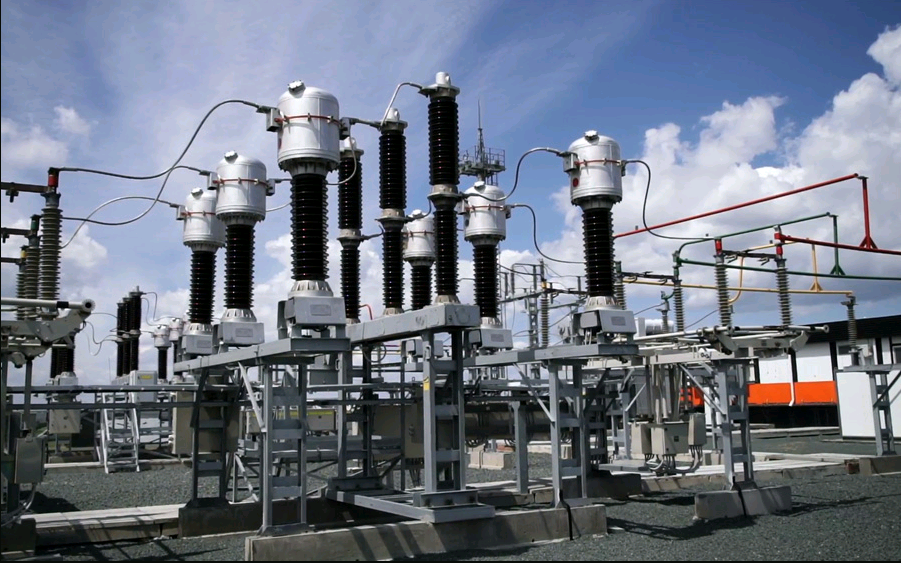
Once completed, the project will generate about 1,373 gigawatt-hours of electricity annually. Its integrated 100MWh battery energy storage system will store surplus solar electricity generated during the day and supply it during periods of peak evening demand, helping to improve grid reliability and address the intermittent nature of solar power.
Project advances industrial decarbonisation
The Dandara project comes at a time when manufacturers around the world are under growing pressure to reduce carbon emissions as export markets tighten environmental standards.
For EgyptAlum, switching part of its electricity supply to renewable energy will help the company comply with the European Union's Carbon Border Adjustment Mechanism, which came into effect in January 2026. The policy places carbon-related charges on imports of emissions-intensive products, making cleaner production increasingly important for exporters seeking to remain competitive.
Excluding Egypt, the project offers a model for other African countries looking to decarbonise their industrial sectors without relying solely on public funding. By combining utility-scale solar generation, battery storage and a long-term corporate power purchase agreement, the project demonstrates how private capital can support industrial growth while accelerating the continent's clean energy transition.
The development will create about 2,500 jobs during construction and 23 permanent positions once operations begin, with women and young people among the intended beneficiaries.
In environmental terms, the project will cut carbon dioxide emissions by about 500,000 tonnes each year, equivalent to roughly 12.5 million tonnes over its operational lifetime.
Egypt has expanded investments in solar and wind energy over the past decade as it seeks to diversify its electricity mix, strengthen energy security and reduce dependence on fossil fuels. The government has also encouraged greater private sector participation in electricity generation through competitive procurement programmes and corporate renewable energy agreements.
According to the African Development Bank, the Dandara project could become a benchmark for future private-sector investments in industrial renewable energy across Africa, demonstrating how clean electricity can strengthen manufacturing competitiveness while supporting long-term economic growth and lower-carbon industrial development.
Related Stories
Sign up for our newsletter.
Get the latest news, expert analysis, and industry insights delivered straight to your inbox. Join thousands of professionals shaping the future of energy.
By submitting my information, I agree to the Privacy Policy and Terms of Service.