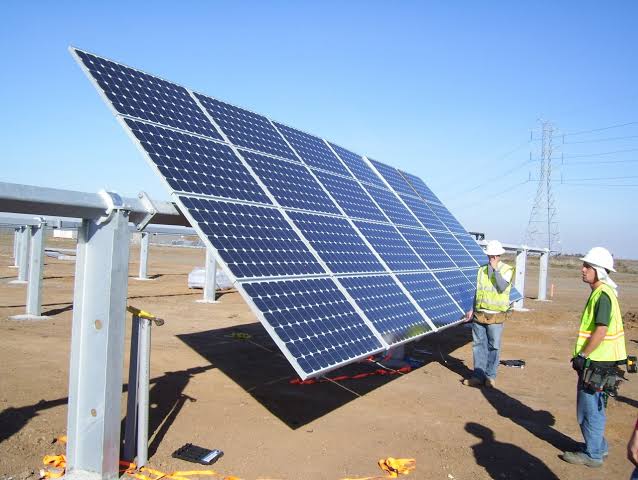
Côte d’Ivoire has commissioned a 52MW solar power plant in Ferkessédougou, advancing its renewable energy ambitions, Improving electricity security and strengthening West Africa's clean energy transition.
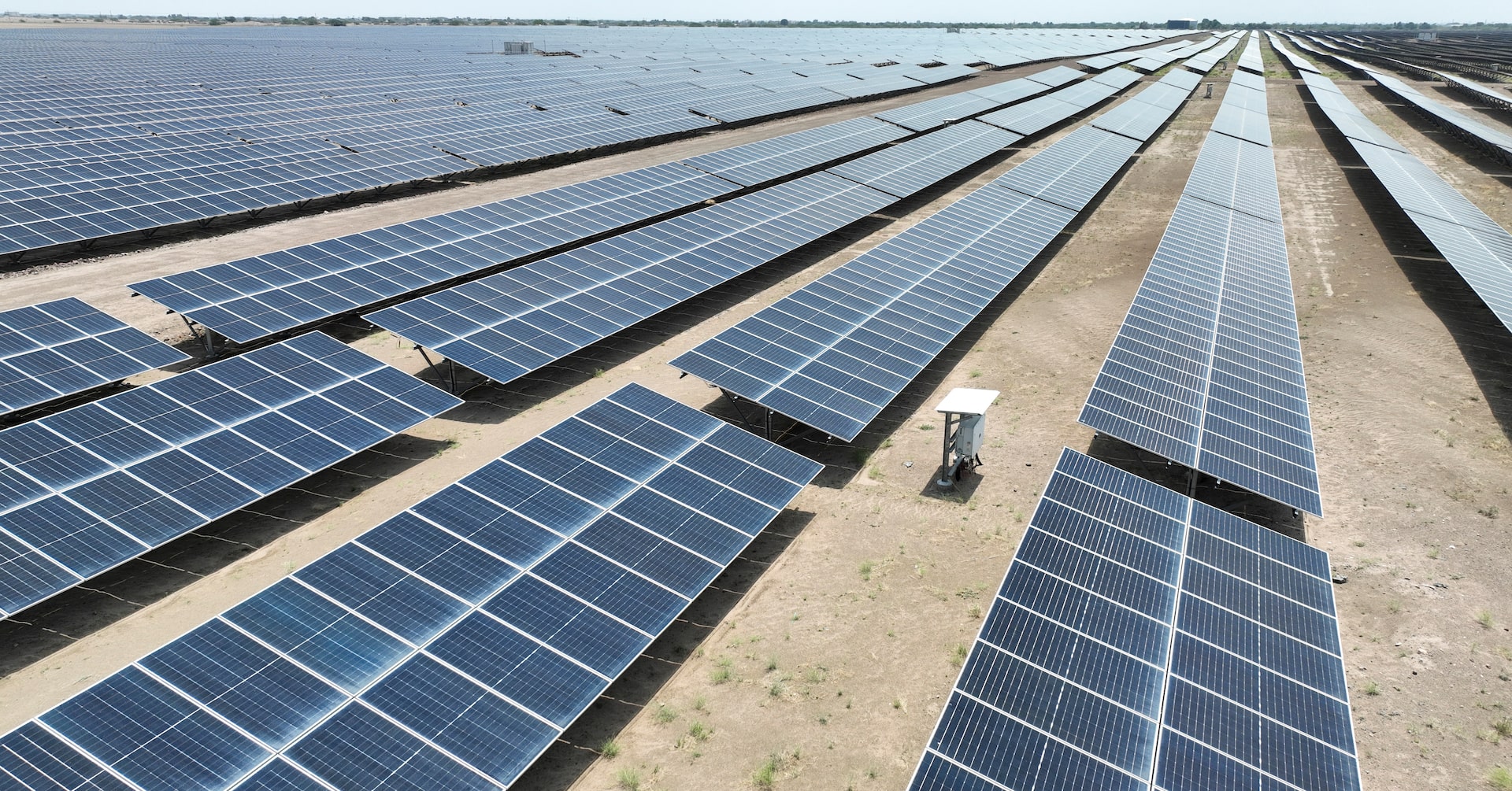
Côte d’Ivoire has taken another major step towards expanding renewable energy after commissioning a new 52-megawatt (MWp) solar power plant in Ferkessédougou. The project strengthens the country's efforts to reduce its dependence on fossil fuels while meeting rapidly growing electricity demand across West Africa.
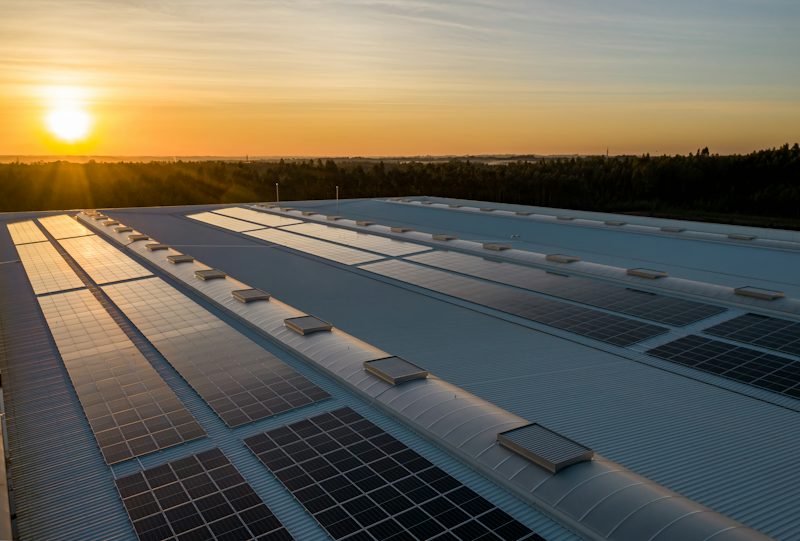
The Ferké solar farm, officially inaugurated on Friday in northern Côte d’Ivoire, is the country's second utility-scale solar power facility. Its launch represents another milestone in the government's long-term strategy to build a cleaner, more reliable and more sustainable electricity system.
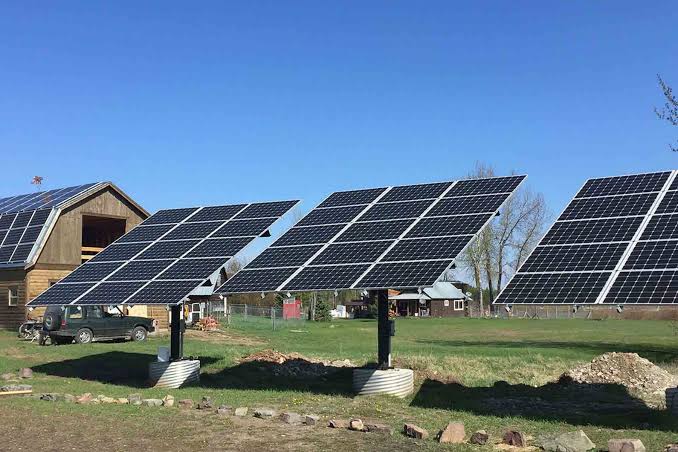
Spread across 70 hectares, the solar farm is equipped with more than 73,300 photovoltaic panels and is expected to generate around 90 gigawatt-hours (GWh) of electricity each year.
The project was developed by PFO Energies, a subsidiary of infrastructure investment company PFO Africa, under a concession agreement and a Power Purchase Agreement (PPA) with the Ivorian government.
According to the government, the project required an investment of XOF 41 billion (approximately $71.4 million). Both the concession and electricity supply agreements will remain in force for 25 years, after which ownership of the solar facility will be transferred to the state.
Renewable energy ambitions gather momentum
The commissioning of the Ferké plant comes as Côte d’Ivoire accelerates efforts to diversify its energy mix and reduce carbon emissions. The government aims to increase renewable energy's share of installed electricity capacity to 46.3 per cent by 2035, while expanding the country's solar generation capacity to more than 1,300MW.
Minister of Mines, Oil and Energy Mamadou Sangafowa-Coulibaly, said the government is already planning additional solar projects in Korhogo, Katiola, Tengrela, Bouna, Kong, Bondoukou, Dabakala, Touba and several other regions to support those ambitions.
The project is part of a broader shift taking place across Africa, as governments increasingly turn to renewable energy to meet rising electricity demand, improve energy security and encourage greater private sector investment. With many countries seeking cleaner and more reliable sources of power, solar energy is becoming a key pillar of the continent's long-term energy transition.
Strengthening Energy Security
The Ferké solar project is significant not only for Côte d’Ivoire but also for the wider West African region. As electricity demand continues to rise and many countries face ageing infrastructure, expensive fossil fuel imports and climate-related challenges affecting hydropower generation, large-scale solar projects are becoming an increasingly important part of the energy solution.
For investors, the project demonstrates continued confidence in renewable energy developments backed by government support and long-term power purchase agreements. For households and businesses, expanding solar capacity has the potential to improve electricity reliability, reduce exposure to volatile fuel prices and strengthen long-term energy security.
The new solar plant also reinforces Côte d’Ivoire's position as one of West Africa's leading electricity producers and exporters, while supporting the region's broader transition towards cleaner, more resilient and sustainable energy systems.
Get the latest news, expert analysis, and industry insights delivered straight to your inbox. Join thousands of professionals shaping the future of energy.
By submitting my information, I agree to the Privacy Policy and Terms of Service.