Power |Finance
Burkina Faso Targets Sharp Cut in Power Imports with New 119MW Plant
Burkina Faso has secured financing for its largest power plant, a 119MW facility expected to cut electricity imports by more than half and strengthen the country's energy supply by 2027.
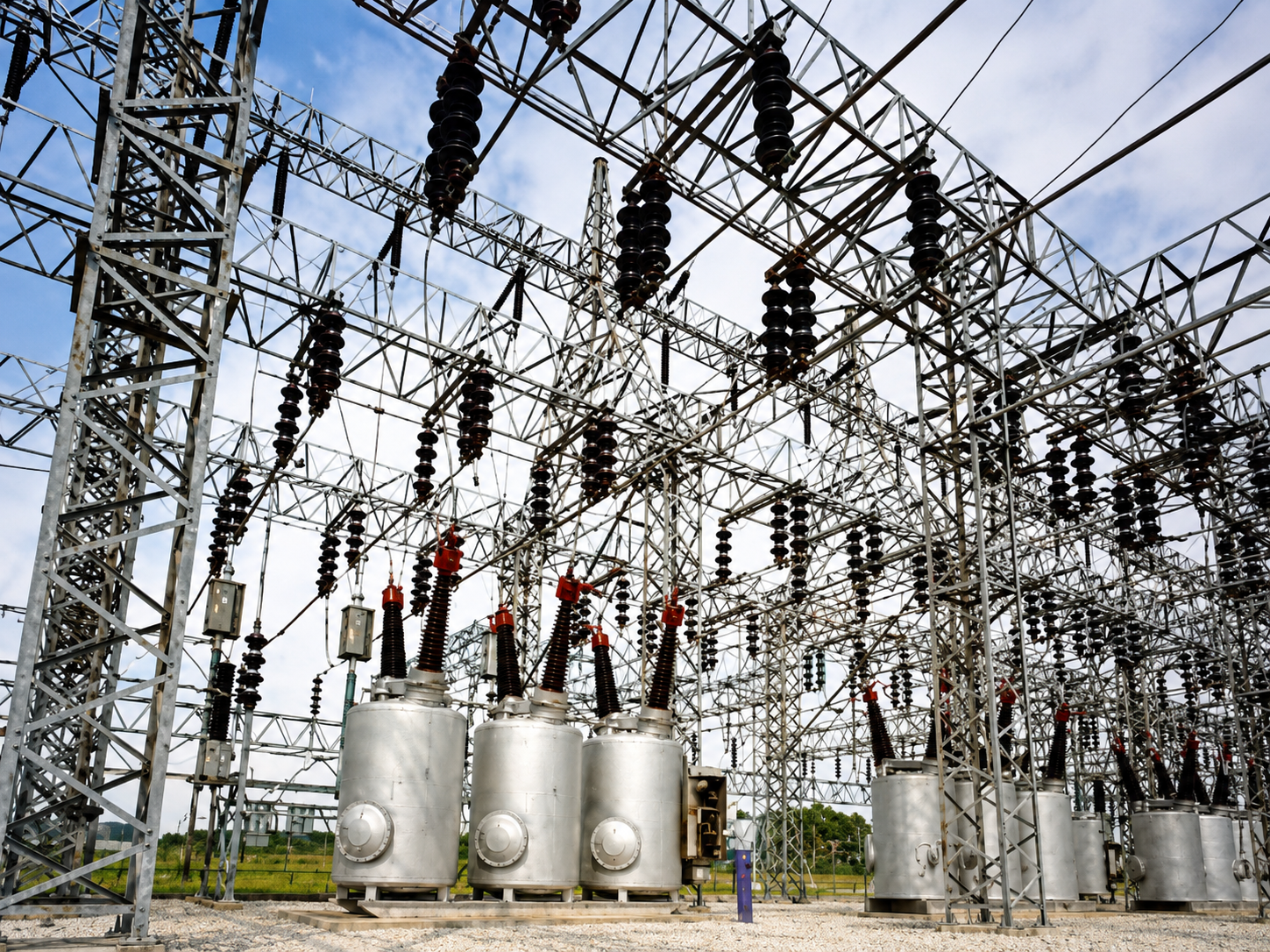
Burkina Faso is set to slash its dependence on imported electricity after the Africa Finance Corporation (AFC) completed financing for what will become the country's largest power plant. The first US$60 million has been released from a US$300 million loan facility to support the construction of a 119-megawatt thermal power station by Türkiye's Aksa Enerji Üretim A.Ş. The project is expected to begin operating in 2027 and cut the country's electricity imports by more than half, strengthening power supply for homes, businesses and industries.
Burkina Faso faces one of the world's biggest electricity access gaps. Only one in five people has access to electricity, while the country imports about 60 per cent of the power it uses. Heavy reliance on electricity from outside its borders has left the economy exposed to supply interruptions and high energy costs. The new power plant is intended to change that by increasing local electricity generation and giving the country greater control over its energy supply.
New plant aims to reduce reliance on imported electricity
The financing marks AFC's first investment in Burkina Faso. It reflects the lender's focus on funding major infrastructure projects that can improve electricity supply and support industrial growth in African countries.
The project will provide reliable baseload electricity that can run continuously, helping industries, businesses and households receive a steadier supply of power. Lower dependence on imported electricity is also expected to reduce pressure from supply disruptions while creating a more stable environment for investment and economic activity.
AFC said it had already disbursed the first US$60 million of the loan facility, allowing work on the project to progress. The remaining financing will support the completion of the power station before its planned start-up in 2027.
The project will be delivered by Aksa Enerji Üretim A.Ş., Türkiye's largest publicly listed electricity generation company. The company operates more than 40 power plants in eight countries with a combined generation capacity of over 3,500 megawatts.
Partnership builds on earlier energy projects in West Africa
The Burkina Faso project follows an earlier partnership between AFC and Aksa Energy. In 2025, AFC provided a US$150 million corporate loan that supported the company's gas-to-power projects in Senegal and Ghana, including a new 255MW combined-cycle gas-fired power plant in Senegal designed to use domestic natural gas.
AFC said the successful delivery of those projects gave it confidence to expand its partnership with Aksa Energy into Burkina Faso, where electricity shortages continue to limit industrial activity and economic progress.
AFC President and Chief Executive Officer Samaila Zubairu said Africa's industrial future depends on investments in reliable infrastructure made today.
He said, "Reliable electricity is fundamental to economic transformation. Without dependable power, countries cannot industrialise, businesses cannot grow and communities cannot realise their full economic potential."
Zubairu said AFC and Aksa Energy share the goal of providing dependable energy infrastructure that can support industrial expansion and long-term economic progress on the continent.
Aksa Energy Chairman Cemil Kazanci described the Burkina Faso project as an important stage in the company's long-term investment plans in Africa.
He said the partnership with AFC would strengthen the country's energy security, support economic activity and improve the reliability of electricity supply for millions of people.
Burkina Faso's power sector has struggled for years with low electricity access and heavy dependence on imported energy. The new thermal power plant is expected to ease those challenges by increasing domestic generation capacity and reducing the country's exposure to supply interruptions from neighbouring electricity markets.
The investment also strengthens AFC's strategy of working with experienced private-sector companies to deliver large infrastructure projects in countries where electricity shortages continue to limit economic activity.
Related Stories
Sign up for our newsletter.
Get the latest news, expert analysis, and industry insights delivered straight to your inbox. Join thousands of professionals shaping the future of energy.
By submitting my information, I agree to the Privacy Policy and Terms of Service.