Renewables
Stable Policies Hold the Key to Africa's Offshore Wind Ambitions - Report
Africa has a chance to unlock more than $1 trillion in economic value if governments and investors work together to finance offshore wind projects.
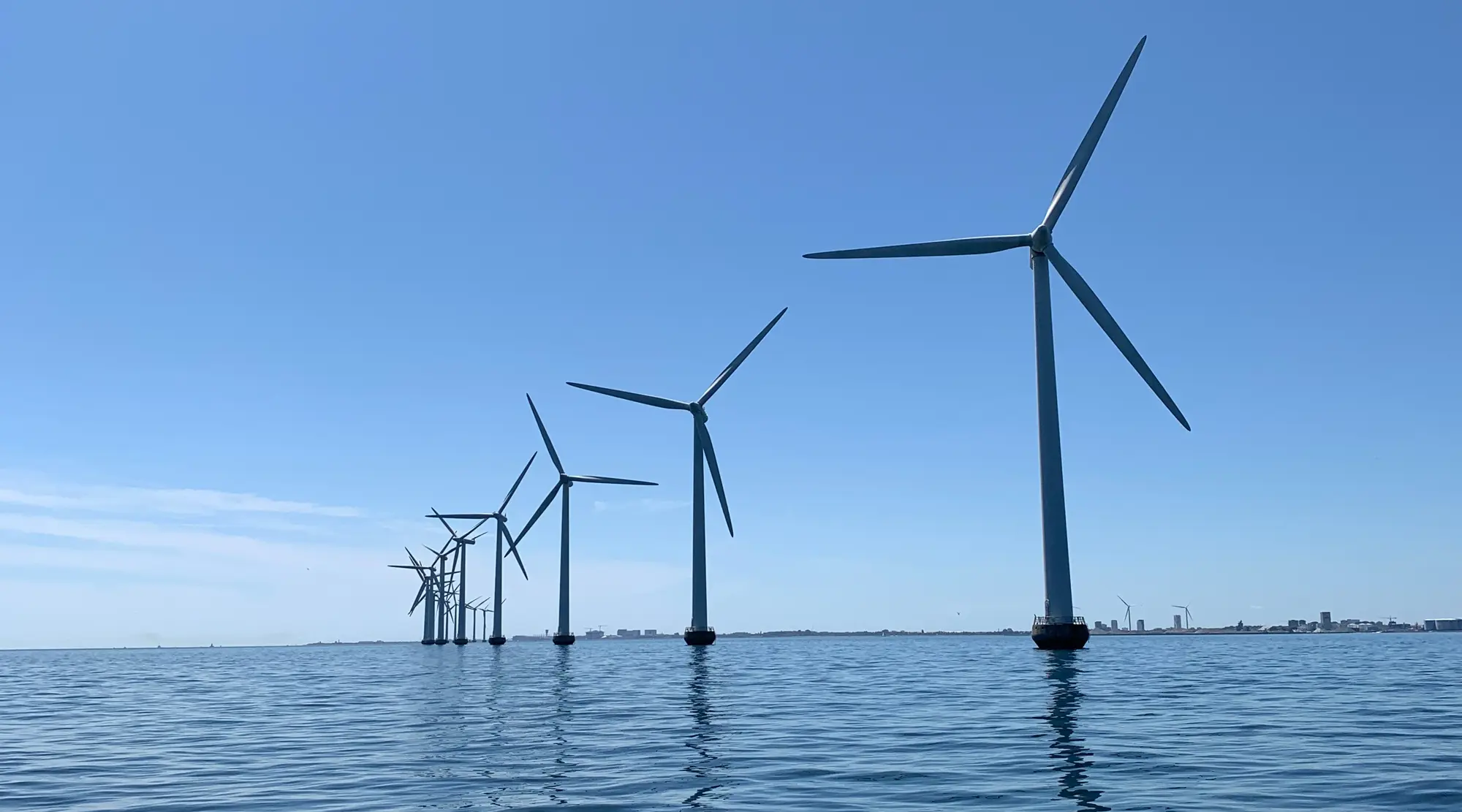
Africa's push to expand offshore wind power now depends less on wind resources and more on stable government policies and financing that can attract long-term investment, a new analysis by Africa Climate Insights has affirmed.
The report says countries that create clear rules and strong partnerships with investors will be in a better position to tackle electricity shortages, strengthen industries, create jobs and cut dependence on fossil fuels. The issue matters because unreliable electricity continues to slow economic activity across much of the continent.
Electricity demand has risen steadily as Africa's population has increased, while power infrastructure has failed to keep pace. Businesses in sub-Saharan Africa lose the equivalent of about 25 working days every year because of power outages, leading to higher operating costs and lower competitiveness. Offshore wind is presented as one of the reliable energy sources that could help close this gap if governments and investors act together.
The report insists that Africa already has favourable offshore wind resources. What has been missing is the policy certainty and financial backing needed to turn that potential into operating projects. It says governments, development finance institutions and private investors all have roles to play in making large-scale offshore wind projects possible.
Stable policies seen as the missing link
The analysis points to Morocco, Namibia, Senegal and South Africa as countries with strong offshore wind resources. Yet Africa still has no operating offshore wind project. The report links this gap to the need for predictable policies, political commitment and financing models that reduce investment risk.
It notes that investors are more willing to commit billions of dollars to energy projects when governments provide clear regulations and long-term certainty. Without those conditions, projects can face delays or fail to secure funding.
South Africa is used as an example of how government planning can shape future results. The report outlines three possible pathways for offshore wind by 2050. A fragmented approach would deliver only 5 gigawatts of capacity with high costs and limited returns. A second option, supported by green hydrogen demand, could increase capacity to 15 gigawatts. The highest projection of 40 gigawatts depends on full support for a green hydrogen economy and coordinated investment.
Morocco offers an early model
Morocco has taken the strongest practical step so far. The country plans to launch Africa's first offshore wind project by 2029 with a 1,000-megawatt wind farm near Essaouira.
The project was announced at the third United Nations Ocean Conference in Nice and has support from the Blue Mediterranean Partnership. Strong coastal wind speeds of about 11 metres per second are expected to help the country meet its target of generating 52 per cent of its electricity from renewable sources by 2030.
The report argues that Morocco's experience could provide useful lessons for other African countries planning similar projects. It says successful projects can build investor confidence and encourage more financing for offshore wind across the continent.
The economic benefits outlined in the analysis are substantial. Using only five per cent of Africa's offshore wind potential could produce 338 gigawatts of electricity generation capacity and unlock more than one trillion US dollars in economic value. The gains would include increased industrial production, new jobs, stronger energy security and lower spending on fossil fuel imports.
The report also notes that investment would not be limited to coastal communities. Inland countries could receive electricity through regional power interconnectors while participating in manufacturing equipment and components needed for offshore wind projects. This approach would spread economic benefits beyond countries with coastlines.
It also points to environmental and public health gains from reducing carbon emissions while expanding access to cleaner electricity.
The analysis maintains that Africa already possesses the natural resources needed for a strong offshore wind industry; what will determine success is whether governments and investors can build the partnerships, financing arrangements and stable policy environment needed to turn that potential into reliable electricity.
Related Stories


Sign up for our newsletter.
Get the latest news, expert analysis, and industry insights delivered straight to your inbox. Join thousands of professionals shaping the future of energy.
By submitting my information, I agree to the Privacy Policy and Terms of Service.