Renewables
Namibia, China Deepen Renewable Energy Cooperation
Namibia's renewable energy partnership with China could attract investment in green minerals, clean power and local processing, strengthening the country's energy transition.
Namibia and China have signed new agreements to strengthen cooperation in renewable energy, green minerals and related infrastructure as the Southern African nation steps up efforts to build a cleaner and more diversified energy economy.
The agreements were reached during President Netumbo Nandi-Ndaitwah's state visit to Beijing, where she held talks with Chinese President Xi Jinping on expanding investment and technical cooperation across strategic sectors.
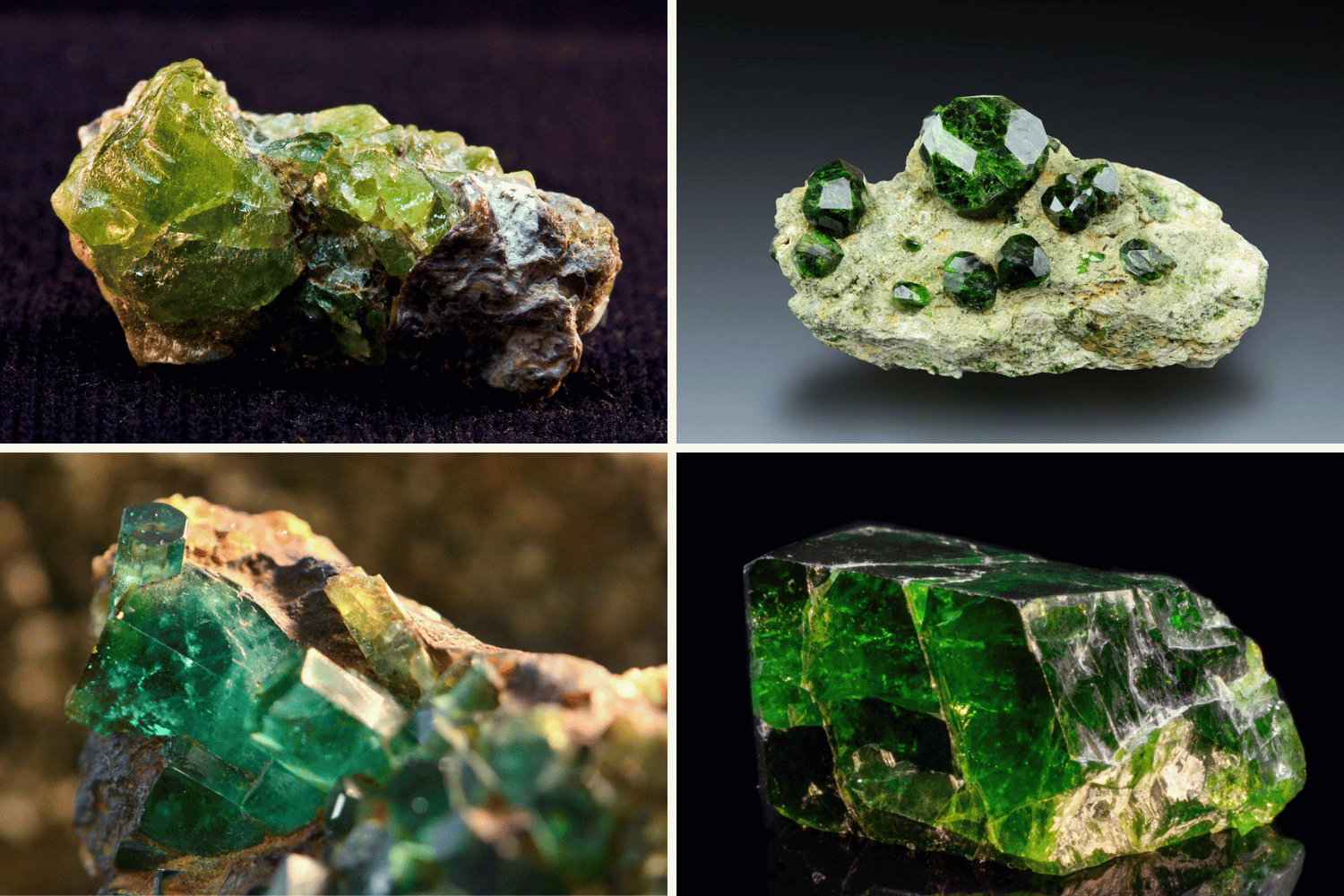
Among the eight agreements signed were a framework on economic partnership and a cooperation deal covering green minerals, such as lithium, uranium and rare earth elements that are essential for manufacturing batteries, wind turbines, electric vehicles and other clean energy technologies.
The two countries also agreed to promote local processing of these minerals, technology transfer and skills development, signalling a shared interest in building clean energy value chains rather than relying solely on raw mineral exports.
China said it would deepen cooperation with Namibia in energy, infrastructure, science and technology, sectors considered critical to supporting the country's long-term energy transition.
Clean energy ambitions gather pace
The latest agreements come as Namibia seeks to position itself as a regional hub for renewable energy and critical minerals.
The government has identified green hydrogen, renewable electricity and value-added mineral processing as priorities for economic growth, job creation and industrial development. President Nandi-Ndaitwah has also pledged to pursue a "green revolution" centred on better use of the country's natural resources.
The partnership with China could help unlock new investment in renewable energy infrastructure while supporting industries that depend on minerals used in the global energy transition.
This is particularly significant because demand for lithium, uranium and rare earth elements continues to rise as countries expand renewable electricity generation, battery storage and electric vehicle production. By encouraging local processing, Namibia could capture more economic value from its mineral resources while creating skilled jobs and strengthening domestic industries.
China is already Namibia's largest export market, accounting for about a quarter of the country's exports, according to the International Monetary Fund. Uranium represents roughly 85 percent of those exports, underscoring the strategic role the mineral plays in the relationship between the two countries.
Chinese companies have also invested about $4.2 billion in Namibia, with most of that investment concentrated in the mining sector.
The latest agreements build on that relationship but broaden the focus beyond mineral extraction to include renewable energy, industrial development and technology transfer.
The cooperation also comes as African countries increasingly seek investment partnerships that support clean energy development, local manufacturing and sustainable use of critical minerals, rather than exporting raw materials with limited domestic economic benefits.
Related Stories

Sign up for our newsletter.
Get the latest news, expert analysis, and industry insights delivered straight to your inbox. Join thousands of professionals shaping the future of energy.
By submitting my information, I agree to the Privacy Policy and Terms of Service.