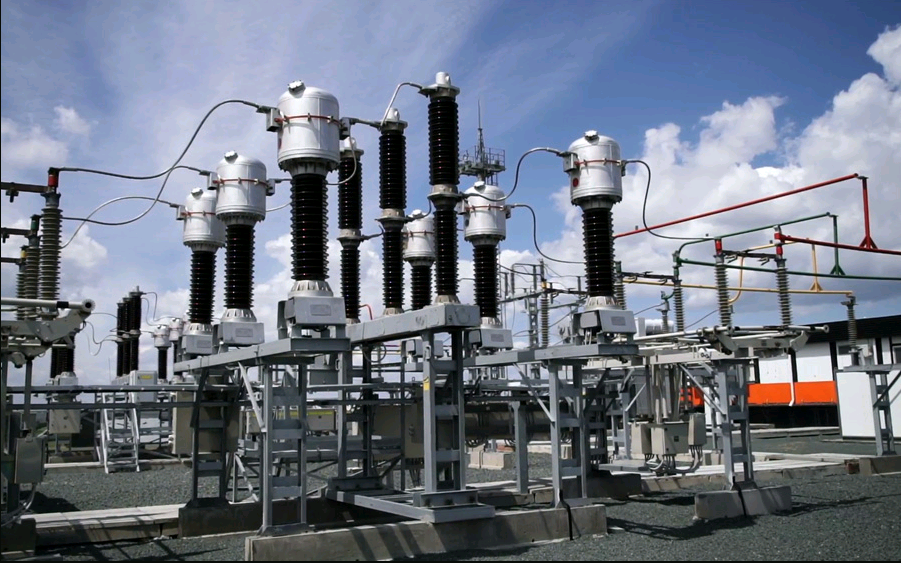
Renewables
Renewables Supply Nearly One-Third of Global Electricity -— IRENA
Renewable energy produced almost one-third of the world's electricity in 2024, but a new IRENA report says the share must increase by 2035 to support global electrification goals.
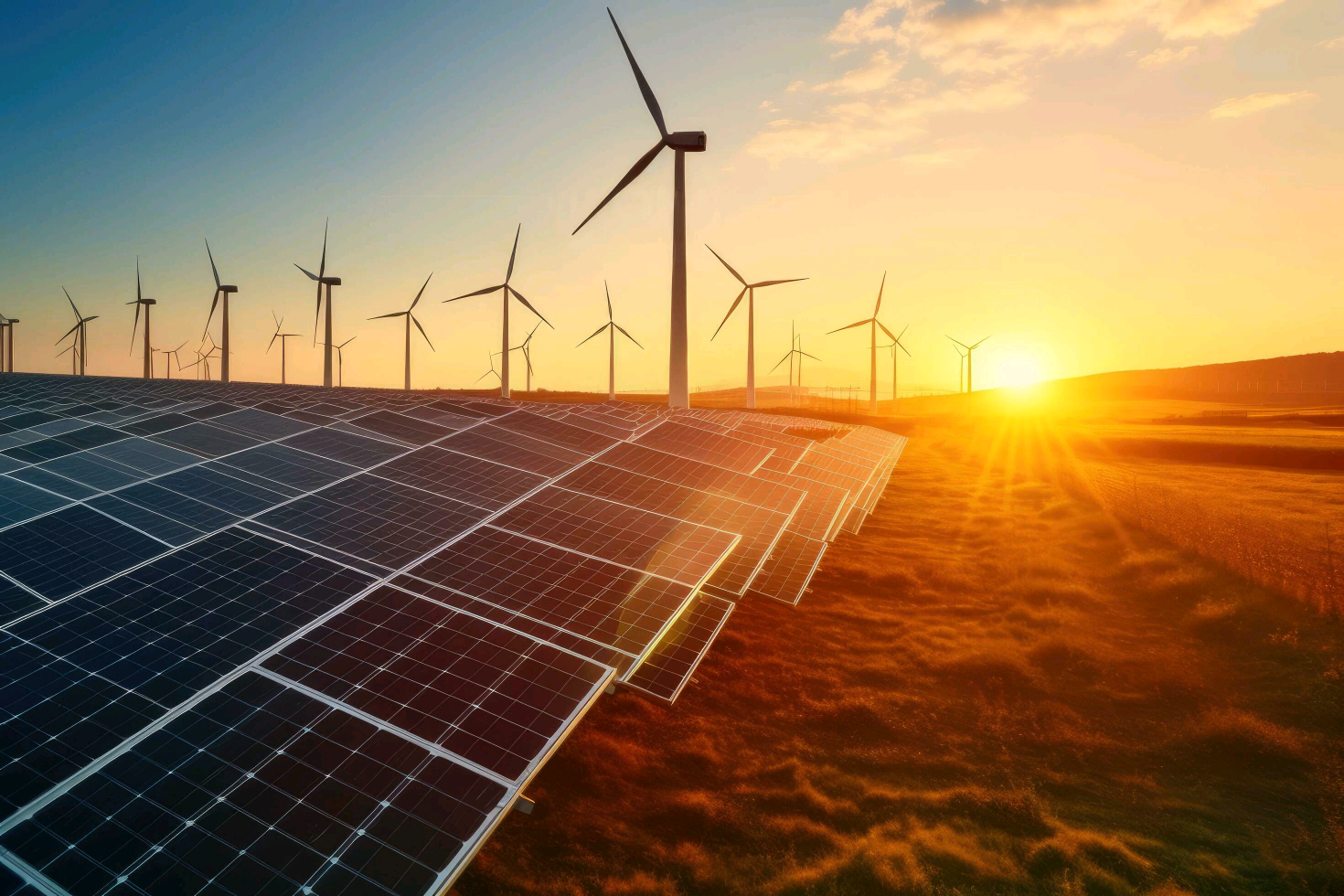
Renewable energy supplied 31.7% of the world's electricity in 2024, marking a major step in the global shift away from fossil fuels, new data from the International Renewable Energy Agency (IRENA) show. The figures, released on Tuesday, July 14, 2026, show renewable electricity generation climbed by 9.8% during the year, the fastest annual increase ever recorded. The milestone is significant because countries now plan to rely much more on clean electricity to power homes, transport and industries over the next decade.
The record share of renewable electricity shows that clean energy is becoming a larger part of the global power system. At the same time, the figures also show that the present pace is still not enough to meet long-term climate and energy goals. More electricity must be produced from renewable sources if countries are to reduce emissions while meeting rising energy demand.
Global power shifts toward renewables
IRENA reported that renewable sources generated 9,836 terawatt hours of electricity in 2024. Non-renewable electricity increased by only 1.4% during the same period, showing a much slower rate of expansion.
The report links the rising share of renewable electricity to the global push for electrification. Drawing on IRENA's roadmap, the incoming COP31 Presidency of Türkiye has proposed a target for electricity to account for 35% of final energy demand by 2035.
Meeting that target will require renewable electricity to supply 78% of global power generation by 2035. That is about two and a half times the 31.7% share recorded in 2024, showing the scale of the task ahead.
IRENA Director-General Francesco La Camera said electricity from renewable sources has become the foundation of the global energy transition. He said countries must now speed up the replacement of fossil fuels with clean electricity in buildings, transport and industry.
The report points to renewable energy as a way to strengthen energy security while reducing dependence on fossil fuels. It also notes that the technologies needed for this transition are already available.
Solar and wind lead global expansion
The data show that solar and wind remained the main drivers of renewable electricity generation in 2024. Asia led all regions, producing 4,589 terawatt hours of renewable electricity after a 14.3% increase, supported mainly by rapid expansion in solar and wind power.
Europe generated 1,758 terawatt hours, with higher output from solar and hydropower. North America produced 1,535 terawatt hours, while South America generated 1,047 terawatt hours through increases from several renewable sources.
Africa generated 227 terawatt hours after a 5.7% increase from almost every renewable technology. The Middle East recorded the fastest regional increase at 17.3%, although its total generation stood at 76 terawatt hours. Eurasia, Oceania, and Central America and the Caribbean also recorded increases.
The report also includes revised renewable capacity figures for 2025. It shows annual renewable capacity additions reached a record 693 gigawatts during the year. By the end of 2025, installed renewable capacity stood at 5.2 terawatts, representing 49.5% of total global electricity generation capacity.
Renewables accounted for 85.7% of all new electricity capacity installed in 2025, lower than the 92.7% recorded in 2024. Even so, IRENA said renewable capacity continued to expand much faster than non-renewable sources.
Simon Stiell, Executive Secretary of the United Nations Framework Convention on Climate Change, said the figures provide strong evidence that the global transition to clean energy is advancing. He also warned that many vulnerable countries will still need financial support if the pace of renewable energy expansion is to match global climate ambitions.
Related Stories


Sign up for our newsletter.
Get the latest news, expert analysis, and industry insights delivered straight to your inbox. Join thousands of professionals shaping the future of energy.
By submitting my information, I agree to the Privacy Policy and Terms of Service.