Oil & Gas
Nigeria's First Indigenous FLNG Project Nears Investment Decision
UTM Offshore's indigenous FLNG project, close to investment decision after securing gas supply, is set to boost Nigeria's LNG exports and LPG supply.
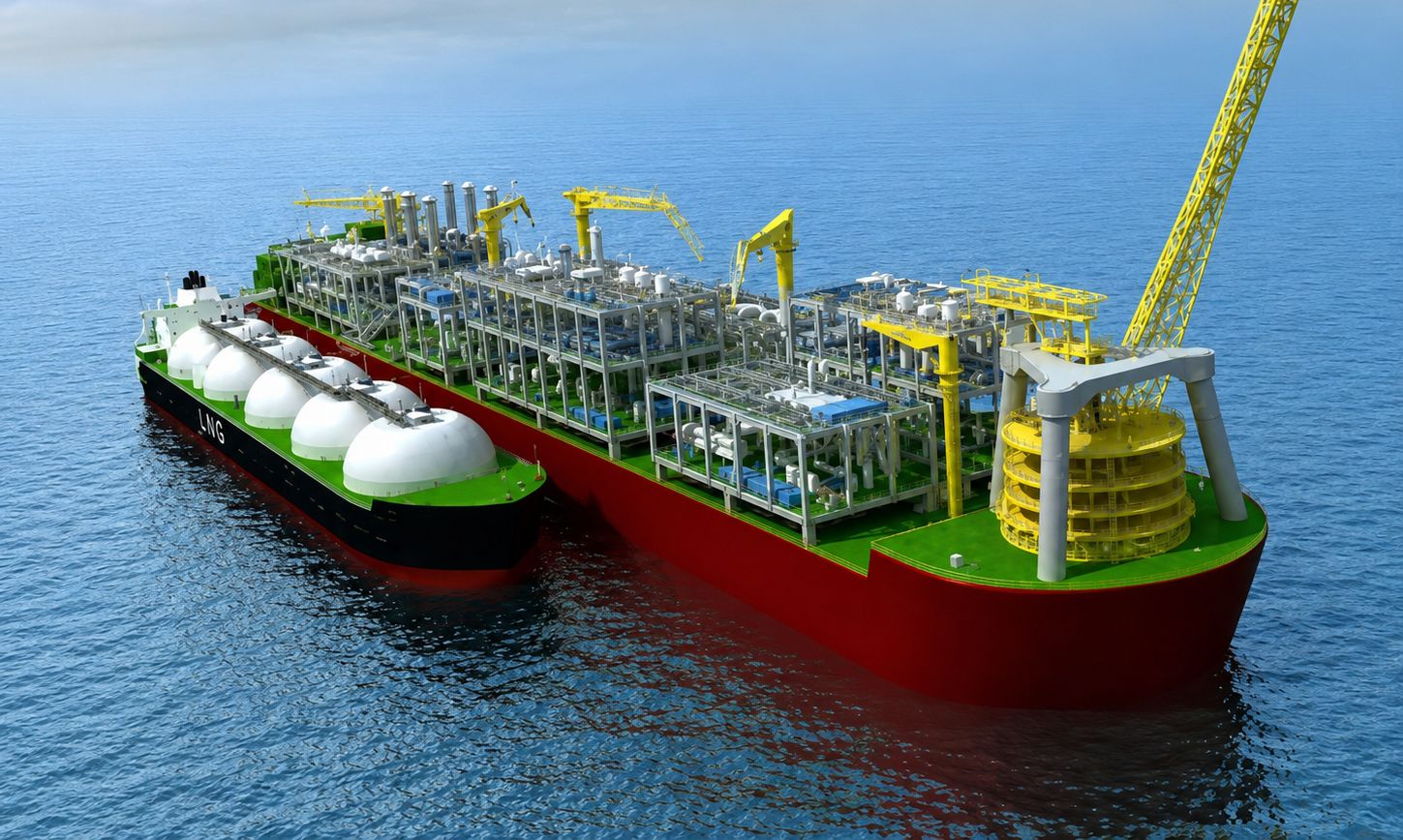
Nigeria's first indigenous-led floating liquefied natural gas (FLNG) project has moved closer to its final investment decision after UTM Offshore signed a Gas Sales Agreement with Seplat Energy and the Nigerian National Petroleum Company (NNPC).
The agreement secures gas supply for the offshore project and clears one of the last major commercial steps before construction can proceed. This matters because it brings Nigeria closer to producing more liquefied natural gas, earning export revenue and supplying more gas to homes and industries.
The project is part of Nigeria's plan to make better use of its large natural gas reserves instead of leaving them unused or flaring them. It also fits into the Federal Government's Decade of Gas Initiative, which aims to build a gas-powered economy by 2030, improve energy access and increase the value Nigeria earns from its natural resources.
Gas supply deal clears a major hurdle
The Gas Sales Agreement links UTM Offshore, Seplat Energy and NNPC in a commercial arrangement that will provide gas for the floating LNG facility planned for the deepwater Yoho field. With this agreement completed, the project team is now working toward signing the Sale and Purchase Agreement before taking the final investment decision.
The floating LNG facility is expected to produce about 176 million cubic feet of gas each day when it starts operations. Engineering and pre-construction work have already been completed, placing the project in a stronger position as it prepares for the next stage.
The project has also secured financial backing. Afreximbank has provided debt financing, while NNPC and the Delta State Government have committed equity funding. At the same time, JGC Holdings and Technip Energies are reviewing the Engineering, Procurement, Construction, Installation and Commissioning contract ahead of the planned start of shipping in 2030.
The African Energy Chamber welcomed the agreement and described it as an important step for indigenous participation in Nigeria's gas industry.
Its Executive Chairman, NJ Ayuk, said: "The signing of this GSA demonstrates what is possible when indigenous companies, national institutions and private investors work together toward a shared vision. UTM FLNG is more than an LNG project; it is a blueprint for how Africa can commercialize its gas resources through African leadership, create long-term economic value and strengthen energy security while supplying cleaner energy to both domestic and international markets."
Project targets local gas use and LNG exports
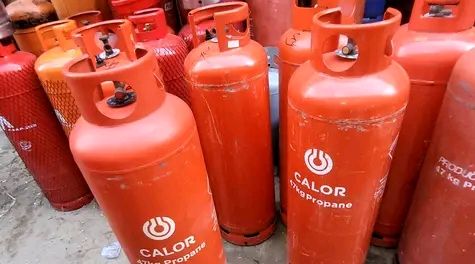
The project is expected to support both export earnings and domestic energy needs. Alongside liquefied natural gas exports, the facility has been designed to supply about 300,000 tonnes of liquefied petroleum gas each year to the Nigerian market.
That supply could help increase the availability of cooking gas for households and reduce Nigeria's dependence on imported LPG. It also supports government efforts to encourage cleaner cooking fuels and reduce the use of firewood and other polluting energy sources.
Nigeria holds about 200 trillion cubic feet of proven natural gas reserves, yet much of that resource has not been fully commercialised. The government's gas strategy seeks to increase investment in gas infrastructure, reduce gas flaring and create more economic value from the country's reserves.
The UTM FLNG project is expected to contribute to those goals by processing offshore gas that can be sold both within Nigeria and in international markets. Supporters of the project believe indigenous ownership also gives Nigerian companies a larger role in major energy infrastructure that has traditionally been dominated by foreign firms.
Ayuk also welcomed Seplat Energy's participation in the project.
"It’s great to see companies like Seplat Energy come on board for this strategic project. We believe that the FLNG facility will strengthen Nigeria's position as one of Africa's leading LNG producers while providing a model for monetizing offshore gas resources across the continent," he said.
Related Stories

Sign up for our newsletter.
Get the latest news, expert analysis, and industry insights delivered straight to your inbox. Join thousands of professionals shaping the future of energy.
By submitting my information, I agree to the Privacy Policy and Terms of Service.