Power
Nigeria's Seat of Power Turns to Solar in Bid for Energy Independence
Aso Rock’s planned exit from Nigeria’s national grid underscores the growing shift toward self-generated renewable power as public institutions and businesses seek lower energy costs and greater reliability amid persistent electricity challenges.
Nigeria’s presidential complex is preparing to leave the national electricity grid behind as it moves towards a dedicated solar power system, highlighting a broader shift toward self-generation in response to rising energy costs and unreliable grid supply.
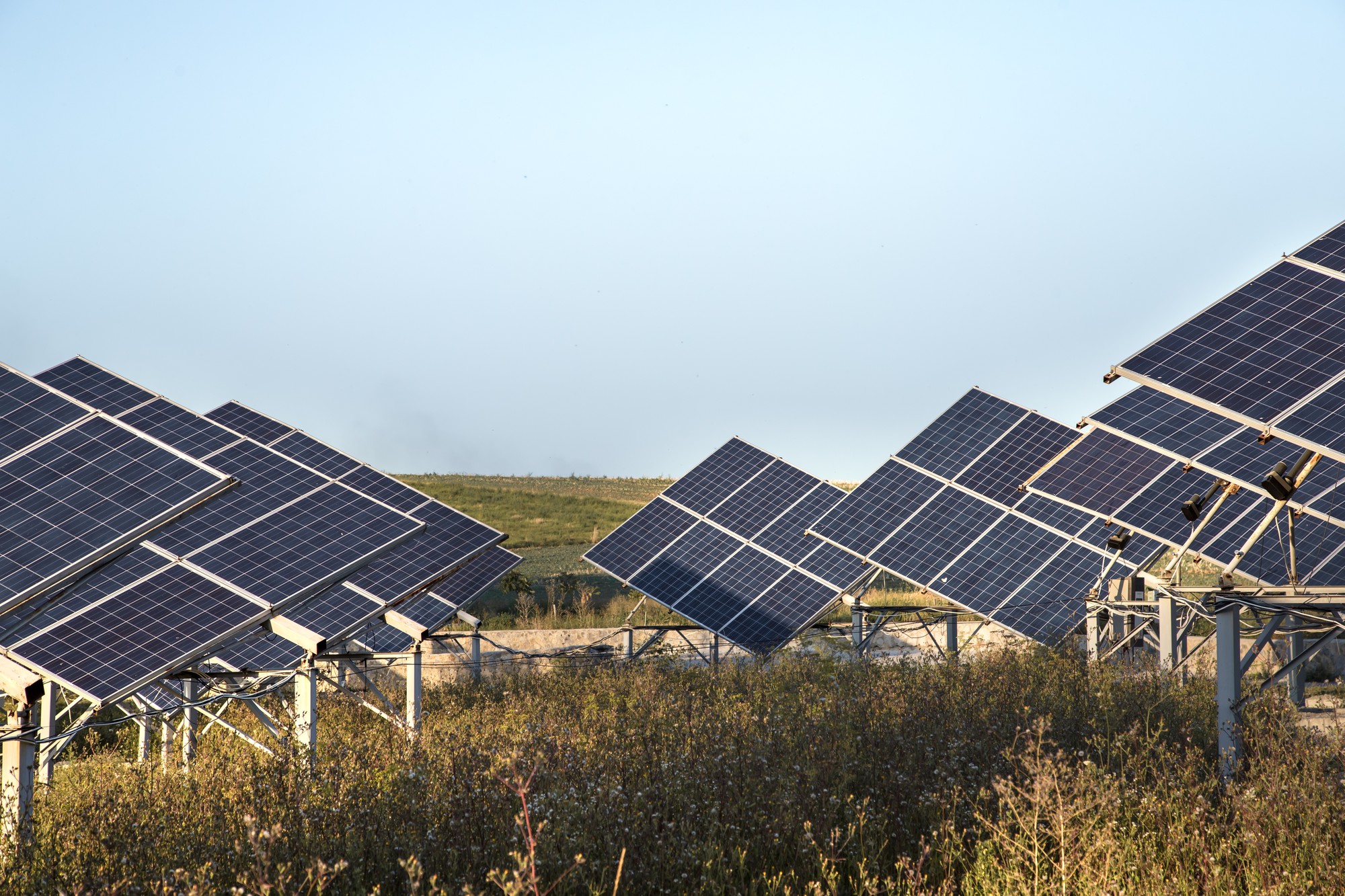
The transition follows the completion of a solar mini-grid project at Aso Rock, with authorities expecting the facility to operate independently after final technical evaluations. The project was initiated to reduce the State House’s annual electricity expenditure, estimated at about ₦47 billion, while improving energy reliability.
Government officials say the investment reflects a long-term strategy to diversify power sources and reduce dependence on grid electricity and diesel generators. The project received ₦10 billion in the 2025 budget for the installation of the solar mini-grid, followed by an additional ₦7 billion allocation in 2026 to support its implementation.
According to Energy Commission of Nigeria, Director-General Mustapha Abdullahi, the rising cost of powering the presidential complex made the transition necessary, describing the existing electricity bill as financially unsustainable.
The move comes against the backdrop of persistent challenges in Nigeria’s electricity sector, where frequent grid collapses and supply disruptions have pushed households, businesses and institutions to seek alternative energy sources. By adopting solar power at the country’s highest seat of government, the administration is embracing the same decentralised energy model that many private organisations have increasingly adopted.
While supporters see the project as a practical demonstration of renewable energy adoption and cost savings, critics argue it raises questions about confidence in the national grid and the pace of broader electricity sector reforms.
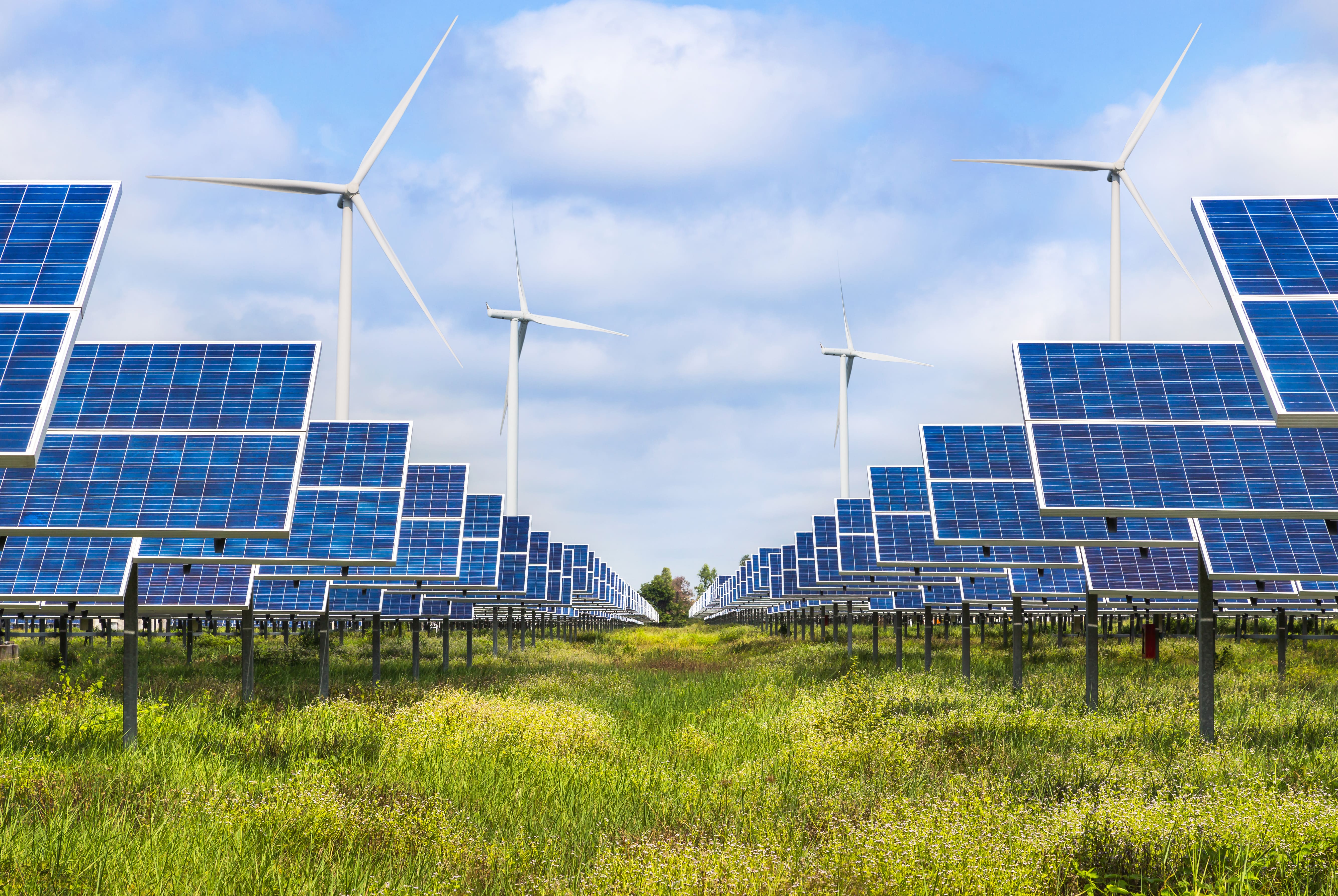
Large sections of the presidential complex have already been fitted with solar panels and battery storage systems capable of providing uninterrupted electricity, although backup diesel generators will remain available as contingency measures.
The project also aligns with the government’s wider renewable energy agenda, even as millions of Nigerians continue to grapple with unreliable electricity supply and escalating energy costs. Whether similar solar-powered systems will be deployed across other federal institutions remains unclear, but the Aso Rock project could serve as a model for reducing public-sector energy expenditure through distributed renewable generation.
Related Stories
Sign up for our newsletter.
Get the latest news, expert analysis, and industry insights delivered straight to your inbox. Join thousands of professionals shaping the future of energy.
By submitting my information, I agree to the Privacy Policy and Terms of Service.