The president has given the country two years to escape its power crisis. The system he is describing draws most of its electricity from a regional network, serves a fast-growing base of customers, and rests on a utility deep in debt.
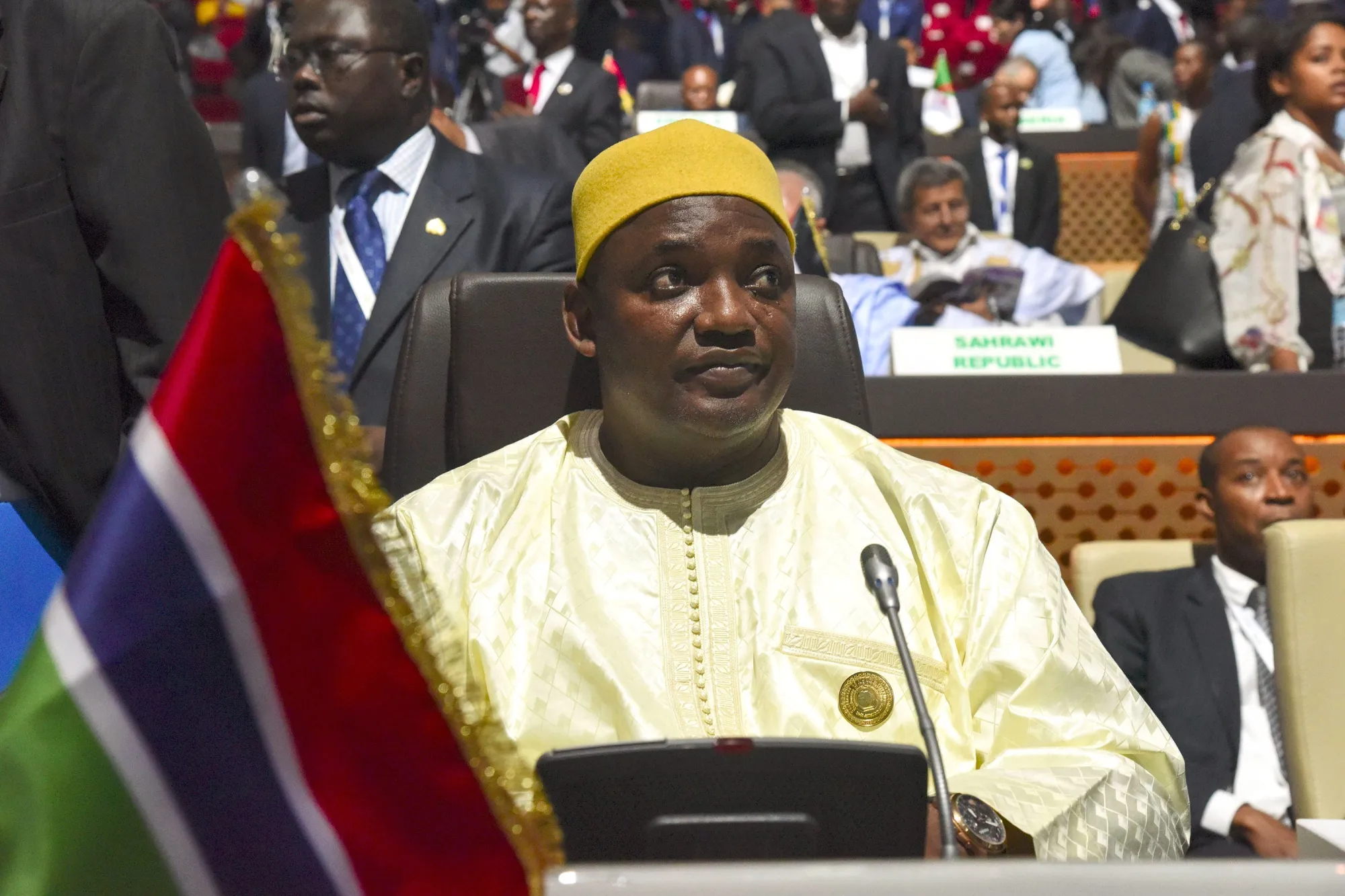
President Adama Barrow has told Gambians that the blackouts disrupting daily life will be resolved within two years, crediting sustained investment in generation and distribution.
He gave the assurance at a National People's Party rally in Brikama, maintaining that no government since independence has spent more on electricity.
The remarks came ahead of the presidential election set for 5 December 2026, a campaign in which the reliability of power has become a frequent complaint.
The National Water and Electricity Company, NAWEC, has tied the recent outages across the Greater Banjul Area and the West Coast Region to a fall in imported electricity from the regional grid, alongside plant maintenance and the price of fuel.
The shape of those outages follows from how the country is supplied. The Gambia's own power stations run mainly on heavy fuel oil and carry installed capacity of roughly 100 megawatts, though ageing engines, costly imported fuel and maintenance constraints often limit available output. As a result, the country relies heavily on electricity imports through the regional grid to meet demand.
Since the OMVG interconnector began delivering power at 225 kilovolts, the country's first high-voltage network, imported electricity through the regional pool has become the primary source, and domestic engines have been recast as backup.
The interconnector, built by the Gambia River Basin Development Organisation, ties the grids of Senegal, Guinea, Guinea-Bissau and The Gambia together and was meant to hand Banjul access to cheaper, steadier power. It has delivered much of that. The catch is dependence: a country that imports the bulk of its electricity inherits the troubles of the plants and lines upstream.
When regional facilities recently shed up to 60 megawatts to faults and fuel shortages, The Gambia had little of its own to put in their place, and NAWEC reported a shortfall topping half of peak demand.
Demand is climbing faster than almost any single project can match. NAWEC reckons national consumption has nearly tripled in a decade, from roughly 300,000 megawatt hours in 2016 to a projected 970,000 in 2026, growing about 12 per cent a year. The customer base has expectedly widened just as fast.
Electricity access in The Gambia stood at about two-thirds of the population in 2023, with access rates substantially lower in rural areas. Since then, the government says the ECOWAS Regional Electricity Access Project has connected about 52,000 households and helped raise national electricity access to around 90% by early 2026.
Wiring more homes is the purpose of the exercise and a genuine achievement, but it also piles load onto a supply that already strains at the peak. Each new feeder adds demand to a network whose firm, dependable margin has not grown at the same pace.
The faults NAWEC cites are legitimate although they rest on weaker foundations. The utility carries heavy debt and chronic liquidity problems, to the point that the government agreed to absorb three-quarters of its arrears under a restructuring.
Domestic tariffs average around 21 US cents a kilowatt hour, high enough to pinch poorer households and to complicate cost recovery.
Ageing engines need constant maintenance, imported fuel is dear, and the regional supply the country now relies on rises and falls with conditions far from Banjul. A system assembled from those parts keeps producing outages until each weakness is dealt with, not merely the fault of the moment.
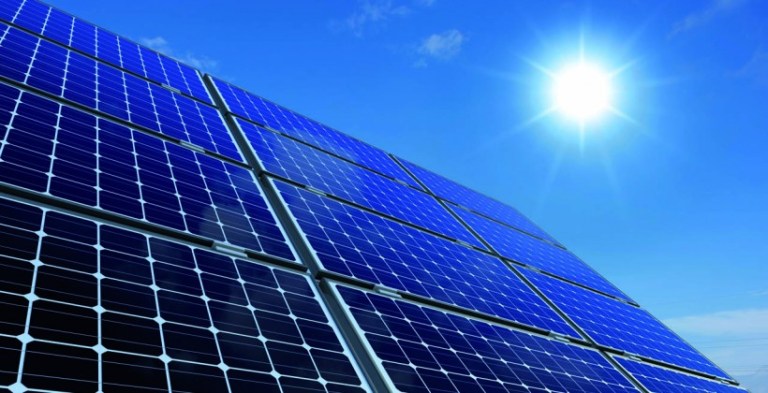
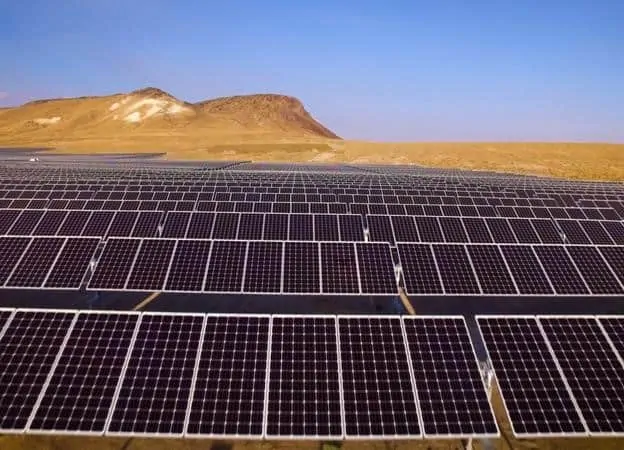
A diversification story runs underneath the strain. In early 2024,The Gambia commissioned its first utility-scale solar plant at Jambur, rated at 23 megawatts and backed by the World Bank, the European Union and the European Investment Bank, a first move away from imported fuel oil.
Planners are also watching the gas now flowing from the Grand Tortue Ahmeyim field off Senegal and Mauritania, which is already feeding new gas-fired stations in Senegal and could give the sub-region a cleaner, cheaper alternative to diesel.
Sunlight and regional gas point toward a more balanced supply in time, though both need years and money to reach scale.
The two-year pledge has to clear a credibility hurdle the sector built for itself. After the 2017 protests over power cuts, the government promised blackouts would end by December 2018.
In 2024, NAWEC's managing director forecast that up to 90 per cent of the country's electricity and water problems would be settled by June 2026, the month the present crisis peaked.
Many consumers have voiced discontent about the impact of the blackouts on businesses, healthcare services, education and household livelihoods, particularly during the period of the Muslim feast of “Tobaski.”
The worsening situation has also triggered public demonstrations online and the announcement of a planned peaceful protest on 19th June 2026 by Gambians Against Looted Assets, who submitted a protest permit request from the office of the Inspector General of Police.
Both targets passed unmet, even as substantial money, World Bank, EU and EIB programmes among it, flowed into the grid.
Get the latest news, expert analysis, and industry insights delivered straight to your inbox. Join thousands of professionals shaping the future of energy.
By submitting my information, I agree to the Privacy Policy and Terms of Service.