Power |Finance
Nigeria’s Power Reforms Attract over $2bn Private Investment
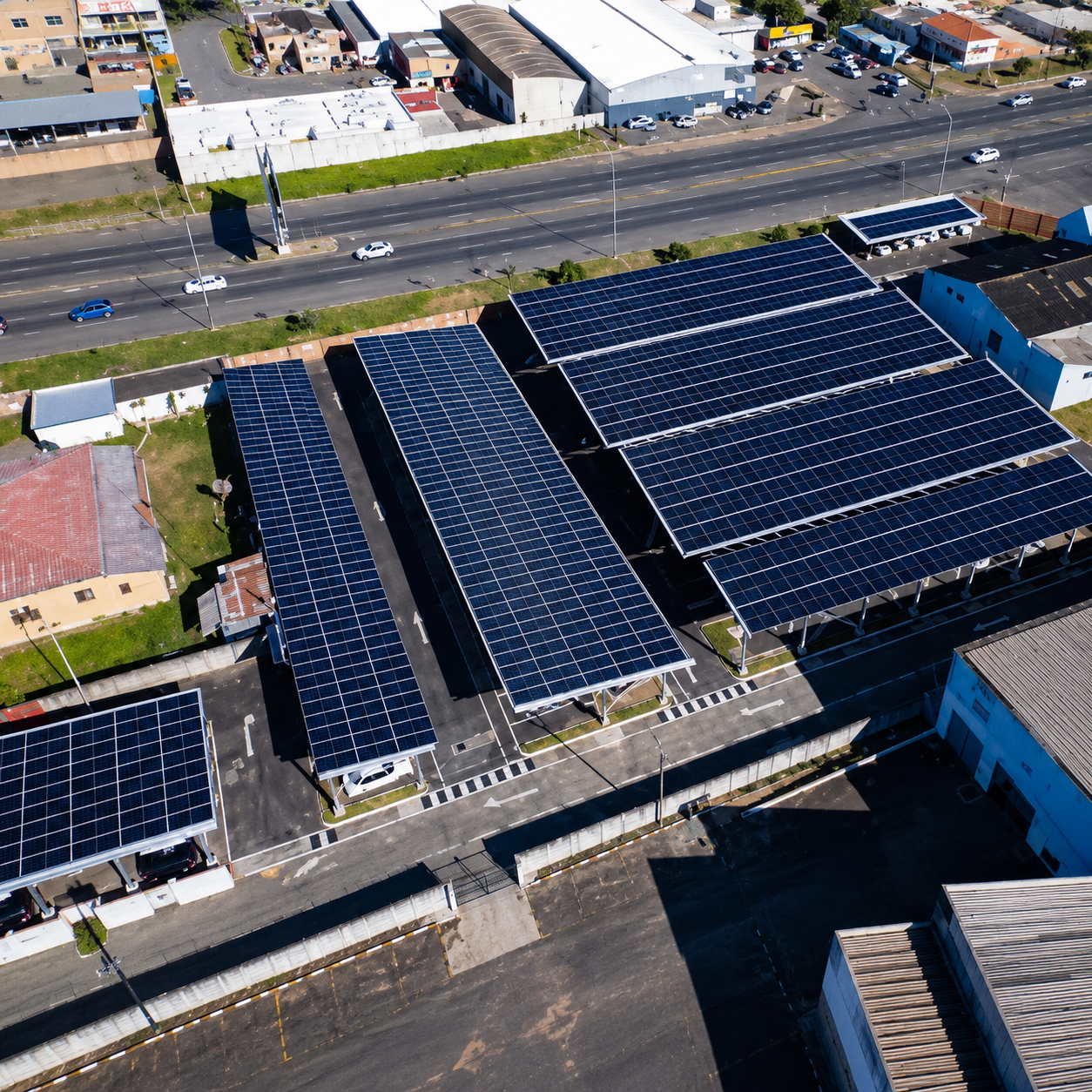
Private investors are increasing their presence in Nigeria’s electricity sector as new policies, infrastructure projects and market changes create fresh opportunities for power development and industrial expansion.
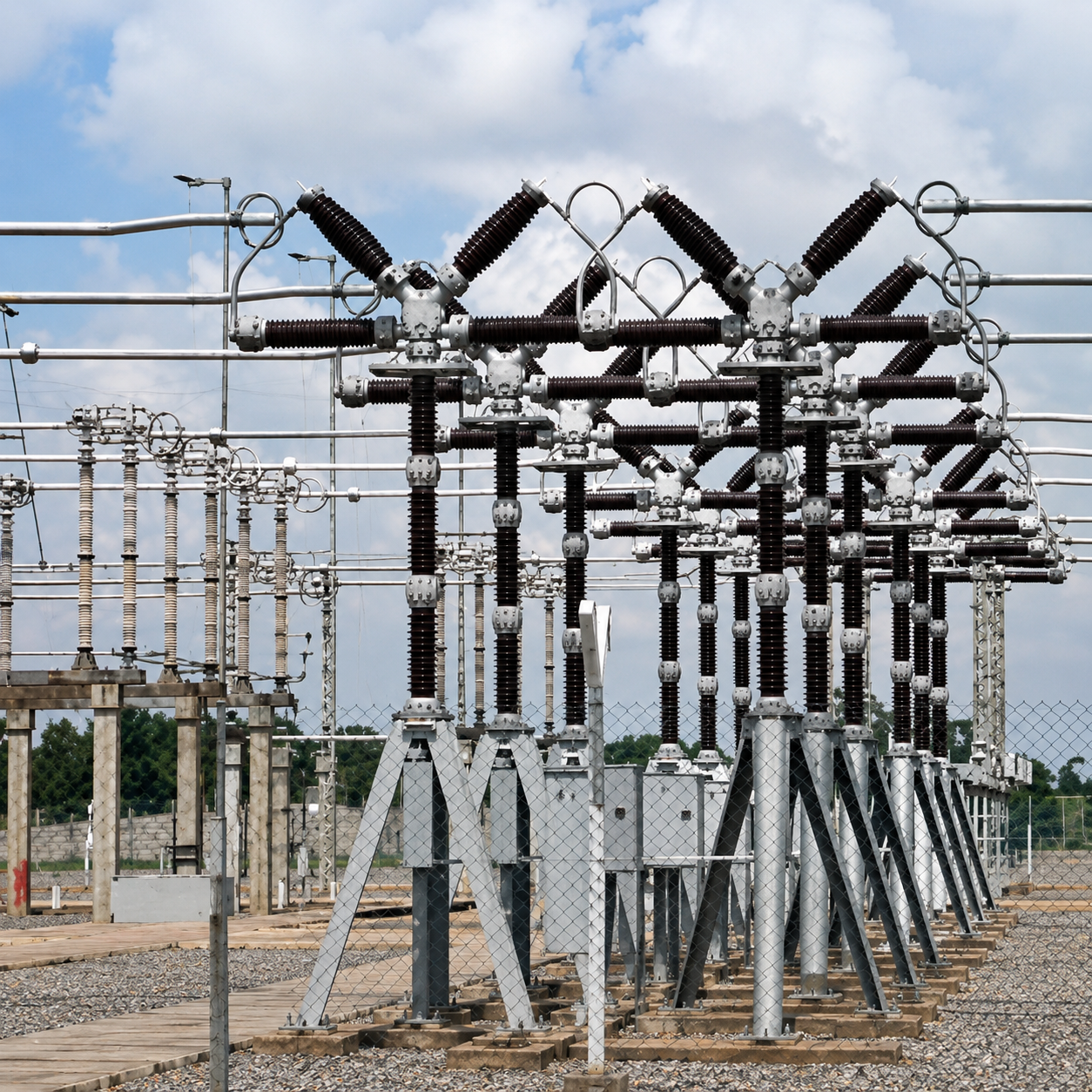
Nigeria’s electricity sector has attracted more than $2 billion in fresh private investment following major reforms aimed at improving power supply and supporting economic growth.
Minister of Power, Joseph Tegbe, disclosed this at the Lagos Chamber of Commerce and Industry Renewable Energy Outlook Conference 2026 in Lagos. He said changes introduced in the sector have increased investor confidence and created new opportunities for businesses.
Tegbe said electricity market revenue rose from about N850 billion in 2023 to over N1.5 trillion in 2025. He linked the increase to reforms that have improved the financial strength of the sector.
Reforms open new investment opportunities
The minister said the Electricity Act 2023 marked a turning point for the industry. The law allows states to generate, transmit, distribute and regulate electricity within their territories.
He said about 20 states have already passed electricity laws. Twelve states have also started taking over or preparing to take over electricity regulation within their borders.
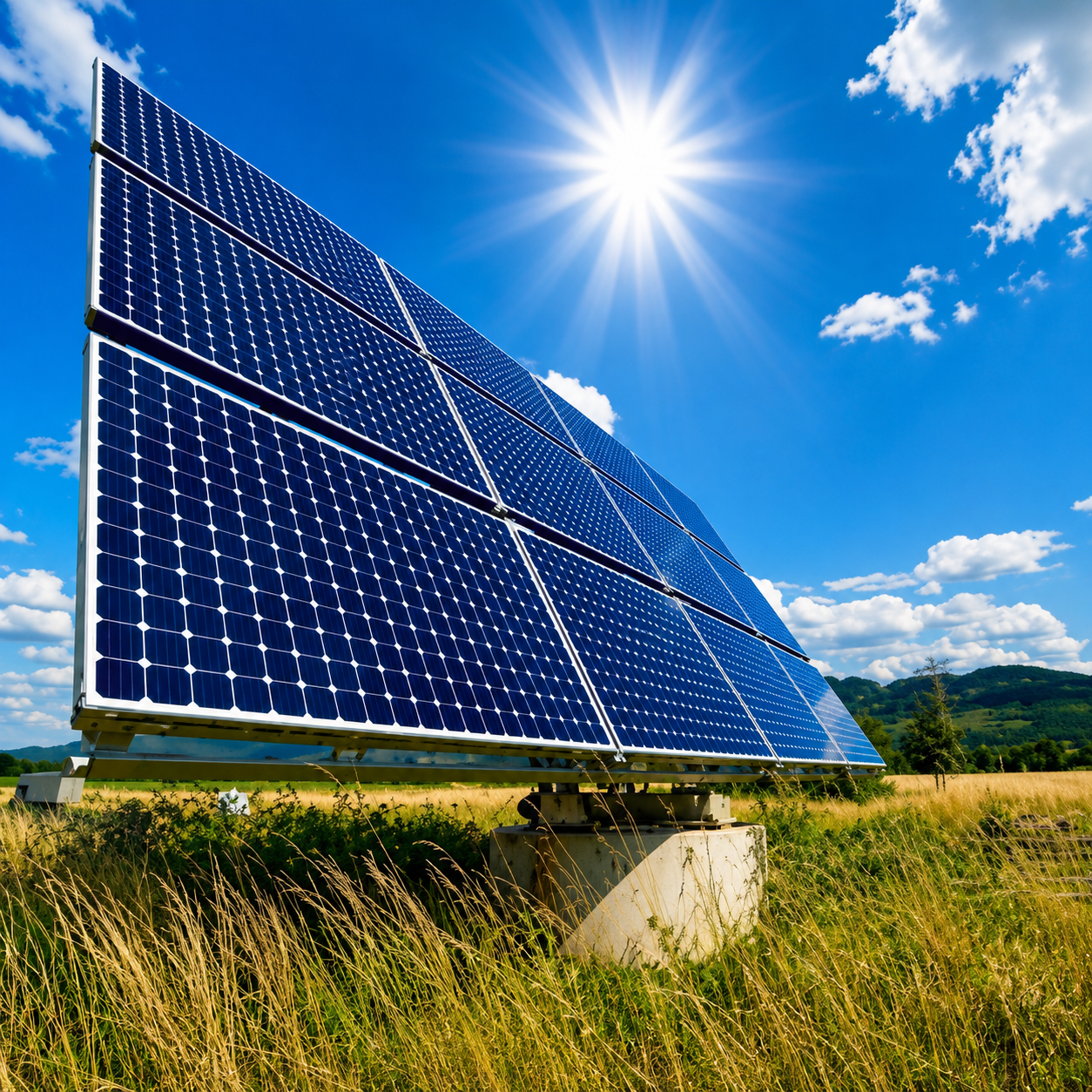
Tegbe said the reforms have created room for private companies to invest in power generation, distribution, mini-grids and renewable energy projects.
He noted that businesses can now secure electricity through embedded generation projects, industrial mini-grids, renewable energy agreements and direct links with independent power producers.
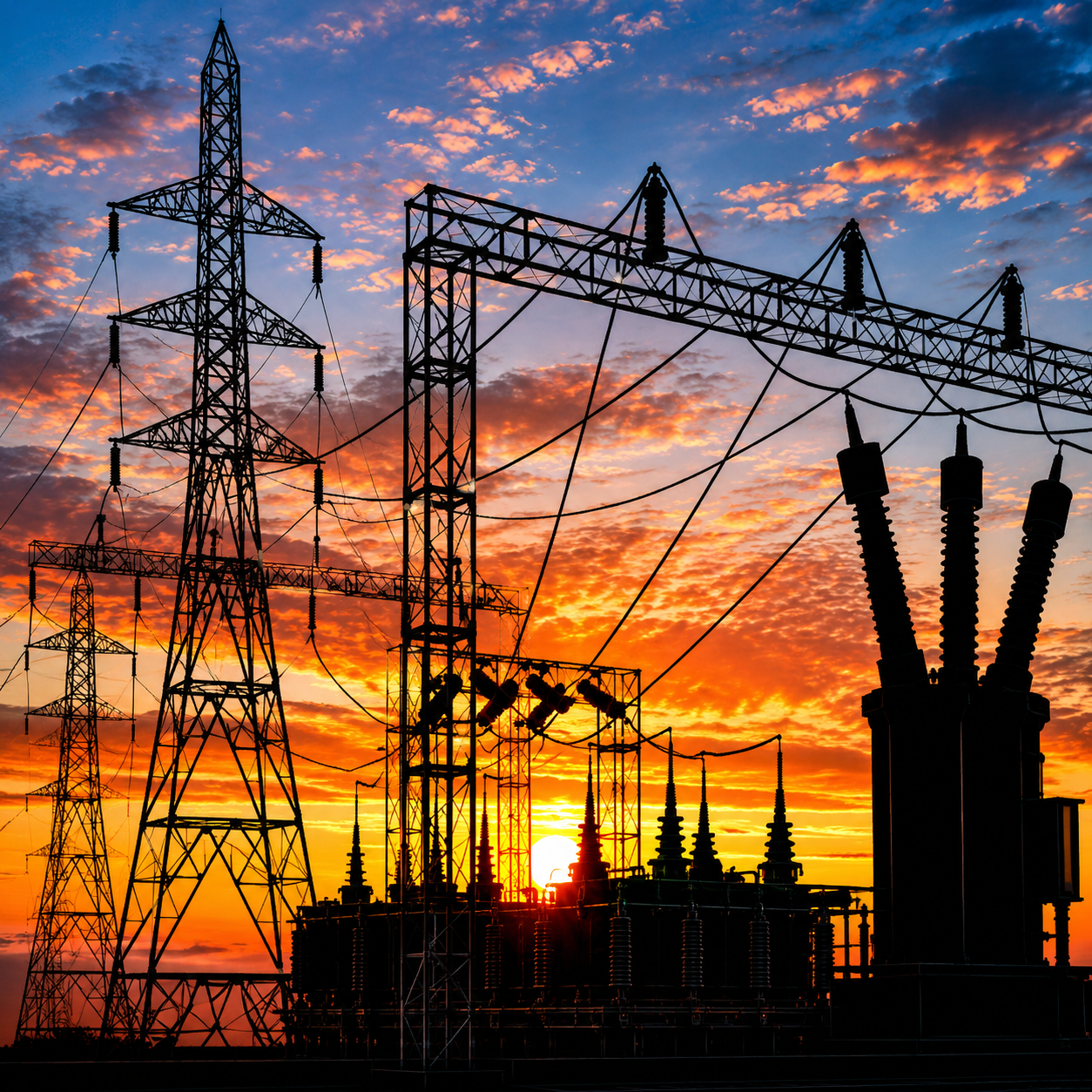
The minister said government is also improving infrastructure to support investment. Between 2024 and 2025, authorities installed 82 transformers and completed more than 30 transmission projects. These projects increased the capacity of the national grid.
Businesses seek reliable electricity
Industry leaders at the conference said better electricity remains important for business expansion and job creation.
President of the Lagos Chamber of Commerce and Industry, Leye Kupoluyi, said unreliable power continues to increase production costs for companies. He stated that many businesses still depend heavily on generators despite Nigeria’s vast energy resources.
Managing Director of the Rural Electrification Agency, Dr Abba Aliyu, said renewable energy should be treated as an important tool for industrial development rather than only a solution for rural communities.
He said mini-grids, solar power systems and other distributed energy projects can support factories, markets, industrial parks, hospitals and technology centres.
Aliyu also urged financial institutions to provide more funding for renewable energy projects. He said stronger support from lenders would help expand local manufacturing of solar panels, batteries, meters and related equipment.
Tegbe said government expects continued investment as Nigeria pursues its long-term plan to expand electricity generation and improve access to power. He expressed confidence that ongoing reforms will help reduce dependence on generators and support industrial growth.
Related Stories
Sign up for our newsletter.
Get the latest news, expert analysis, and industry insights delivered straight to your inbox. Join thousands of professionals shaping the future of energy.
By submitting my information, I agree to the Privacy Policy and Terms of Service.