Power
SON Targets Major Fuel Cost Cuts with New Solar Power Project
A new solar power system at the Standards Organisation of Nigeria's Lagos laboratory is set to improve energy supply for critical testing work while supporting clean energy adoption.
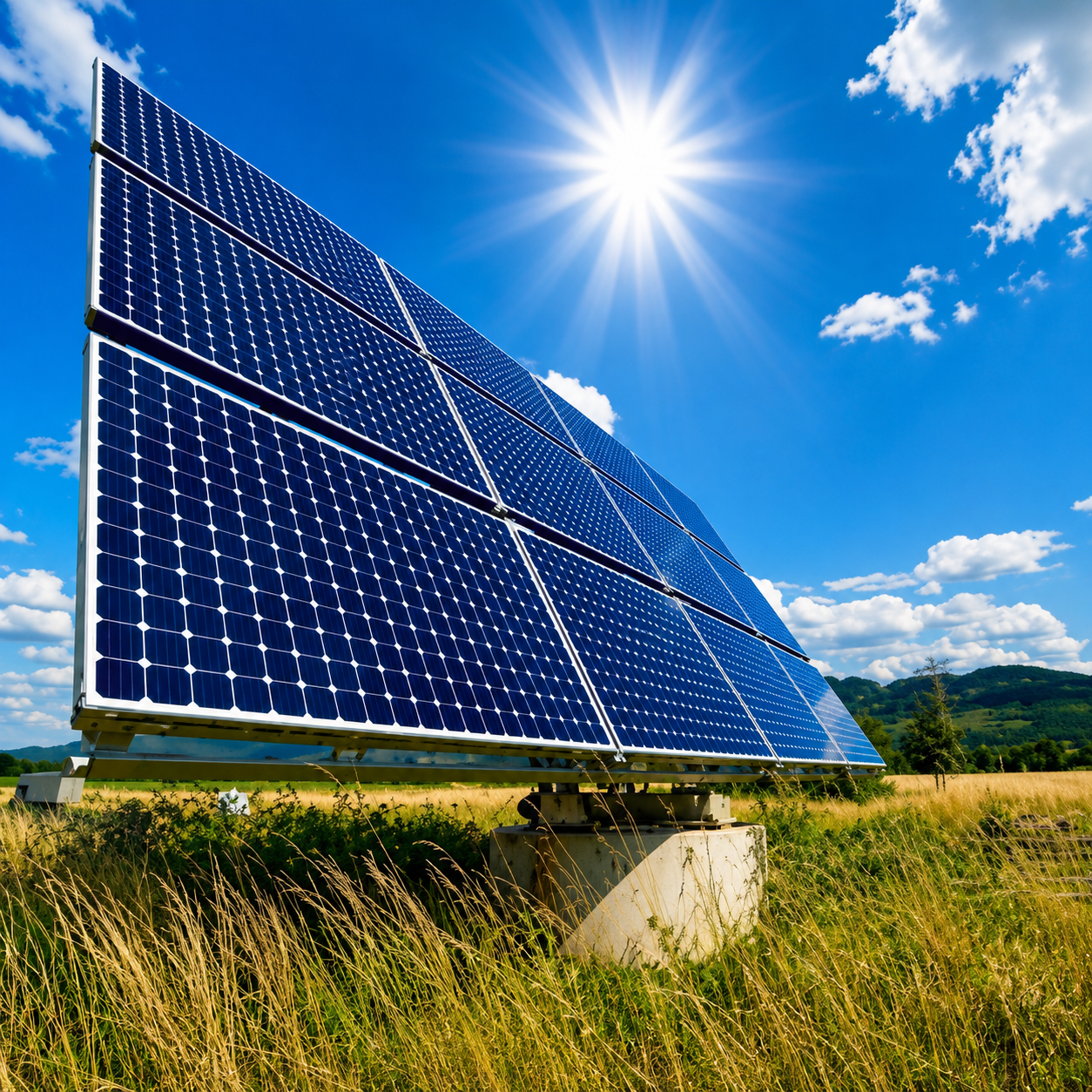
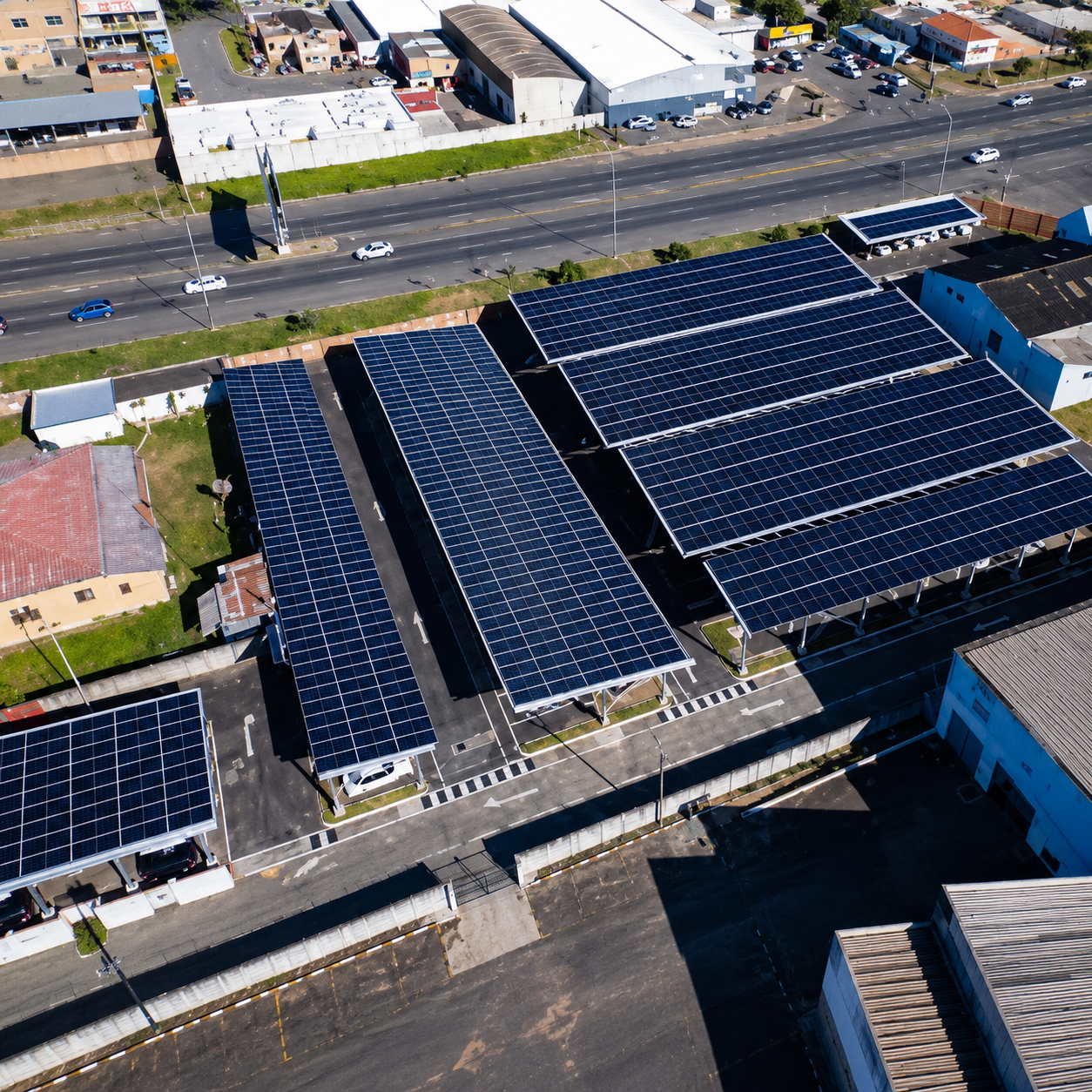
The Standards Organisation of Nigeria (SON) has taken a major step to reduce its dependence on diesel and grid electricity with the launch of a 200-kilowatt solar power system at its Lagos laboratory complex.
The project is expected to save the agency up to N15 million every month and provide stable electricity for important laboratory operations that require uninterrupted power supply.
SON Director General, Ifeanyi Okeke, said the new facility would help the organisation reduce spending on energy and free up funds for other important duties.
“The adoption of renewable energy will significantly reduce operational expenses and allow the organisation to channel resources into other critical activities,” he said.
Solar power to support critical laboratory operations
The solar installation was funded by the European Union and the German Government through the Nigeria Energy Support Programme.
The system will provide electricity for specialised laboratory equipment, including a calorimetric testing chamber for air conditioners. The facility is expected to become the first of its kind in Nigeria and serve as a reference testing centre for West Africa when fully operational.
Reliable power is important for many of SON's laboratory activities. Some testing processes run continuously for up to 72 hours and cannot be interrupted without affecting results.
Head of Programme for NESP III, Duke Benjamin, said the project would ensure stable power for the bioclimatic testing chamber and other heat-processing equipment.
He said the initiative supports efforts to promote cleaner energy use and reduce carbon emissions in Nigeria.
Long-term partnership driving clean energy standards
The solar project is one of the outcomes of a partnership between SON and Germany's development agency GIZ, which began in 2015.
The partnership has supported work on renewable energy standards, energy efficiency, laboratory development, conformity assessment and electric mobility.
Implementing Partner at ICEED, Dr. Segun Adaju, said the solar system was designed to improve energy reliability while reducing operating costs.
“The project was designed to improve energy reliability and reduce operating costs through the deployment of clean and sustainable energy solutions,” he said.
The Manufacturers Association of Nigeria also welcomed the development.
Director of Sectoral Division at MAN, Oluchi Odumuko, said reliable and affordable electricity remains important for industrial development. She noted that SON's investment in renewable energy demonstrates support for a stronger and more resilient industrial sector.
The project also contributed to the development of 13 standards for photovoltaic components and Minimum Energy Performance Standards for air conditioners, strengthening Nigeria's clean energy framework.
Related Stories
Sign up for our newsletter.
Get the latest news, expert analysis, and industry insights delivered straight to your inbox. Join thousands of professionals shaping the future of energy.
By submitting my information, I agree to the Privacy Policy and Terms of Service.