Climate & Sustainablity |Oil & Gas
Nigeria Warned Against Replacing Oil Pollution with Destructive Mining
The global shift to clean energy is increasing demand for Nigeria's critical minerals, placing environmental protection and community rights at the centre of mining discussions.
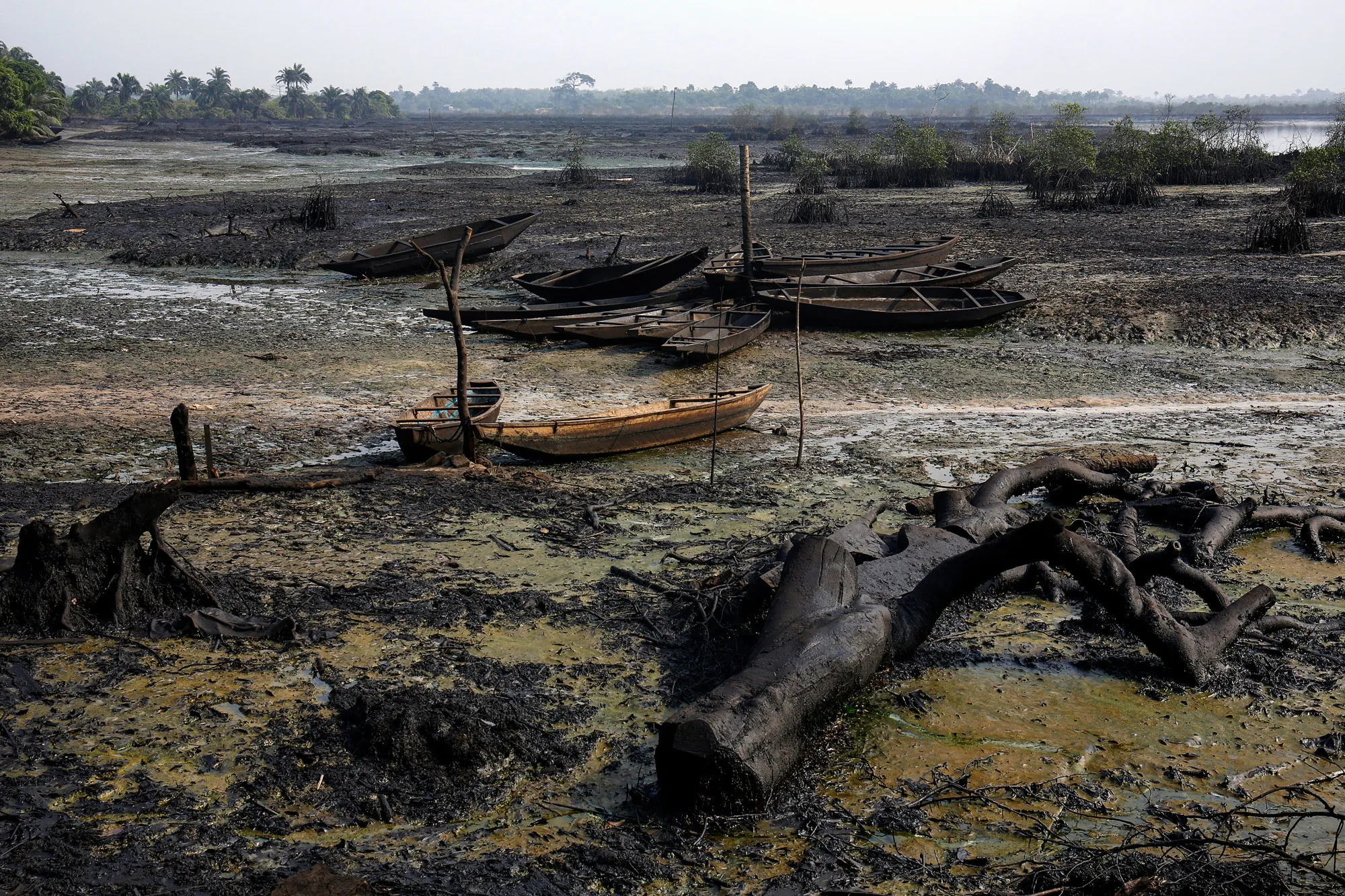
Nigeria's push to benefit from critical minerals needed for the global energy transition risks repeating the environmental damage linked to decades of oil production unless mining is guided by justice, community participation and strong environmental protection, environmental activist Nnimmo Bassey has warned.
Bassey, director of the Health of Mother Earth Foundation (HOMEF), gave the warning on Tuesday in Abuja while opening the third Nigeria Socioecological Alternatives Convergence. He said minerals such as lithium, nickel, copper, platinum group metals and rare earth elements may support clean energy technologies, but mining them through harmful practices would only replace one environmental crisis with another.
The warning follows recent announcements by the Federal Government on the discovery of a large polymetallic mineral province in Kaduna State and increased investment in lithium exploration and mineral processing. Those plans have strengthened hopes that the mining sector could create jobs and increase national income. Bassey argued that economic benefits should not be pursued without protecting forests, rivers and the people who depend on them.
Energy transition must protect communities
Bassey said the global demand for critical minerals should not become another form of extractive exploitation that leaves host communities with pollution while others enjoy the profits.
"Critical minerals may indeed be essential for the technologies driving the global energy transition. But the transition itself cannot become another excuse for colonial extractivism," he said.
He argued that replacing fossil fuel extraction with destructive mining would not amount to a just transition if forests are cleared, rivers polluted and communities forced from their ancestral lands.
Bassey questioned whether Nigeria had fully learned from almost seven decades of oil production in the Niger Delta. He asked whether newly discovered mineral deposits should be exploited before communities are properly consulted and environmental safeguards are firmly in place.
He also asked whether communities should have the right to reject mining or timber extraction on their land if such projects threaten their livelihoods and environment.
Forest loss deepens environmental risks
Bassey linked mining with Nigeria's fast loss of forests, which he said weakens the country's ability to cope with climate change and protect biodiversity.
He said Nigeria loses between 250,000 and 300,000 hectares of forests every year, while primary forests now cover only 1.3 per cent of the country's land area. If the current trend continues, he warned that Nigeria could lose its forests completely by 2052.
He blamed commercial logging, agricultural expansion, infrastructure projects and mining for the steady decline of forest ecosystems that once supported livelihoods and helped regulate rainfall.
Bassey also criticised large-scale carbon credit projects that set aside vast forest areas without protecting the interests of local people. He pointed to mangrove restoration plans in Delta State and a major tree planting project in Niger State, arguing that such schemes could shut communities out of forests they have depended on for generations.
He maintained that communities have shown they can manage forests successfully because they depend on them for food, medicine, culture and income. Indigenous knowledge, he said, should form part of Nigeria's forest conservation strategy.
Bassey warned that mining activities often strip forests, pollute water sources and damage ecosystems that support both people and wildlife. He said abandoned forests have also become hideouts for bandits and terrorists in some parts of the country, cutting communities off from their traditional means of survival.
He blamed environmental destruction on policies that favour short-term economic gains over long-term public welfare, weak regulation and the exclusion of local people from decisions affecting their land.
Bassey urged participants at the convergence to build practical alternatives that protect nature while supporting livelihoods. He said Nigeria must leave future generations with healthy forests, clean rivers and secure communities rather than landscapes damaged by uncontrolled extraction.
Related Stories




Sign up for our newsletter.
Get the latest news, expert analysis, and industry insights delivered straight to your inbox. Join thousands of professionals shaping the future of energy.
By submitting my information, I agree to the Privacy Policy and Terms of Service.