Oil & Gas
Egypt Advances SAF Project, Strengthens Jet Fuel Supply
Egypt's first sustainable aviation fuel project could strengthen fuel security, cut aviation emissions and position the country in the growing global market for cleaner jet fuel.
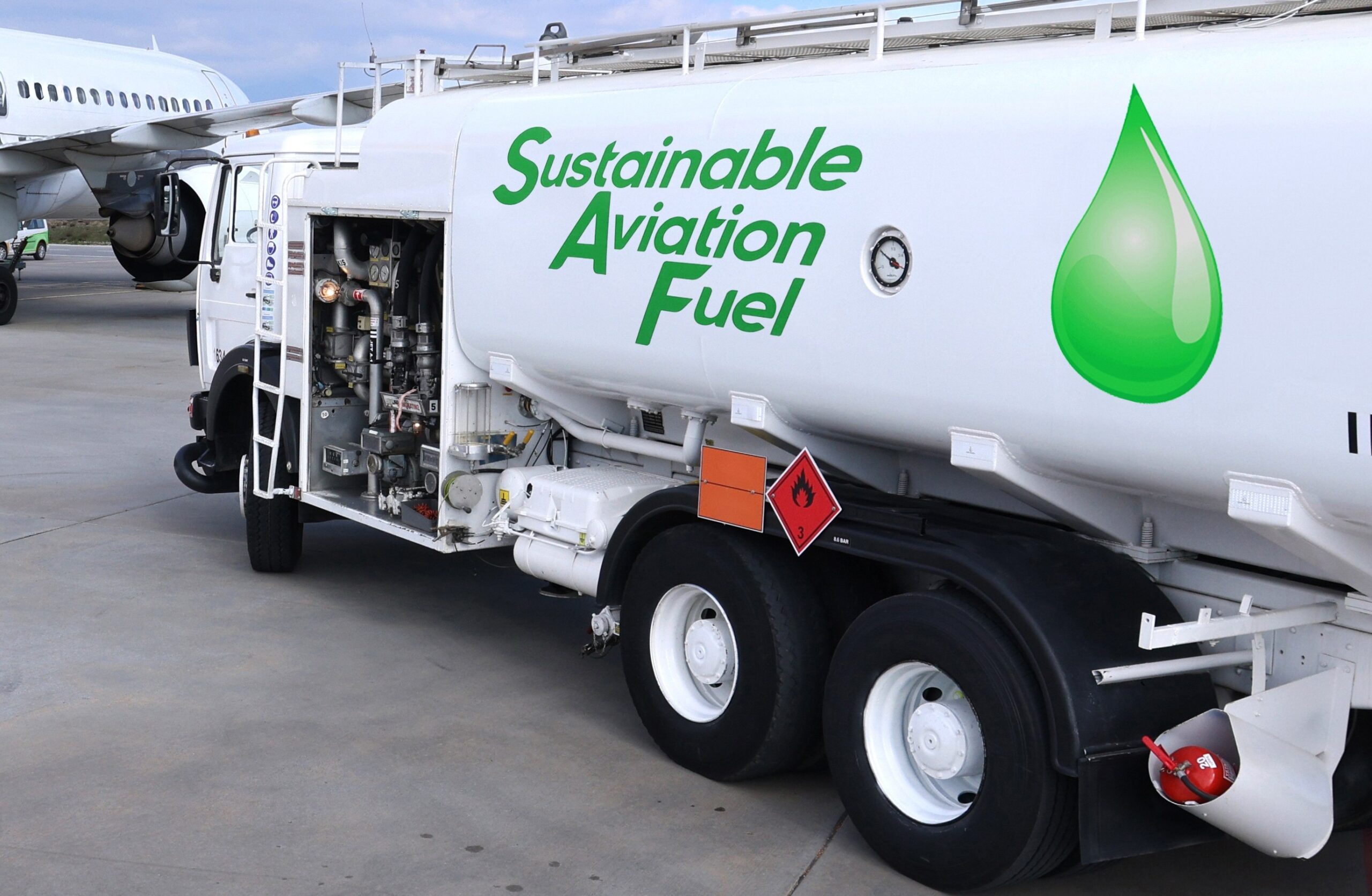
Egyptian Prime Minister, Mostafa Madbouly, has reviewed progress on the country's first Sustainable Aviation Fuel (SAF) project and measures to guarantee a reliable supply of jet fuel, demonstrating the government's drive to modernise aviation infrastructure and accelerate cleaner fuel production.
The review meeting brought together Petroleum and Mineral Resources Minister Karim Badawi and Civil Aviation Minister Sameh Elhefny, who discussed ongoing cooperation between their ministries to ensure uninterrupted jet fuel supplies and advance Egypt's transition to lower-carbon aviation fuels.
At the centre of the discussions was Egypt's first SAF production facility, currently under development in Alexandria by the Egyptian Sustainable Aviation Fuel Company (ESAF), a subsidiary of the Egyptian Petrochemicals Holding Company (ECHEM).
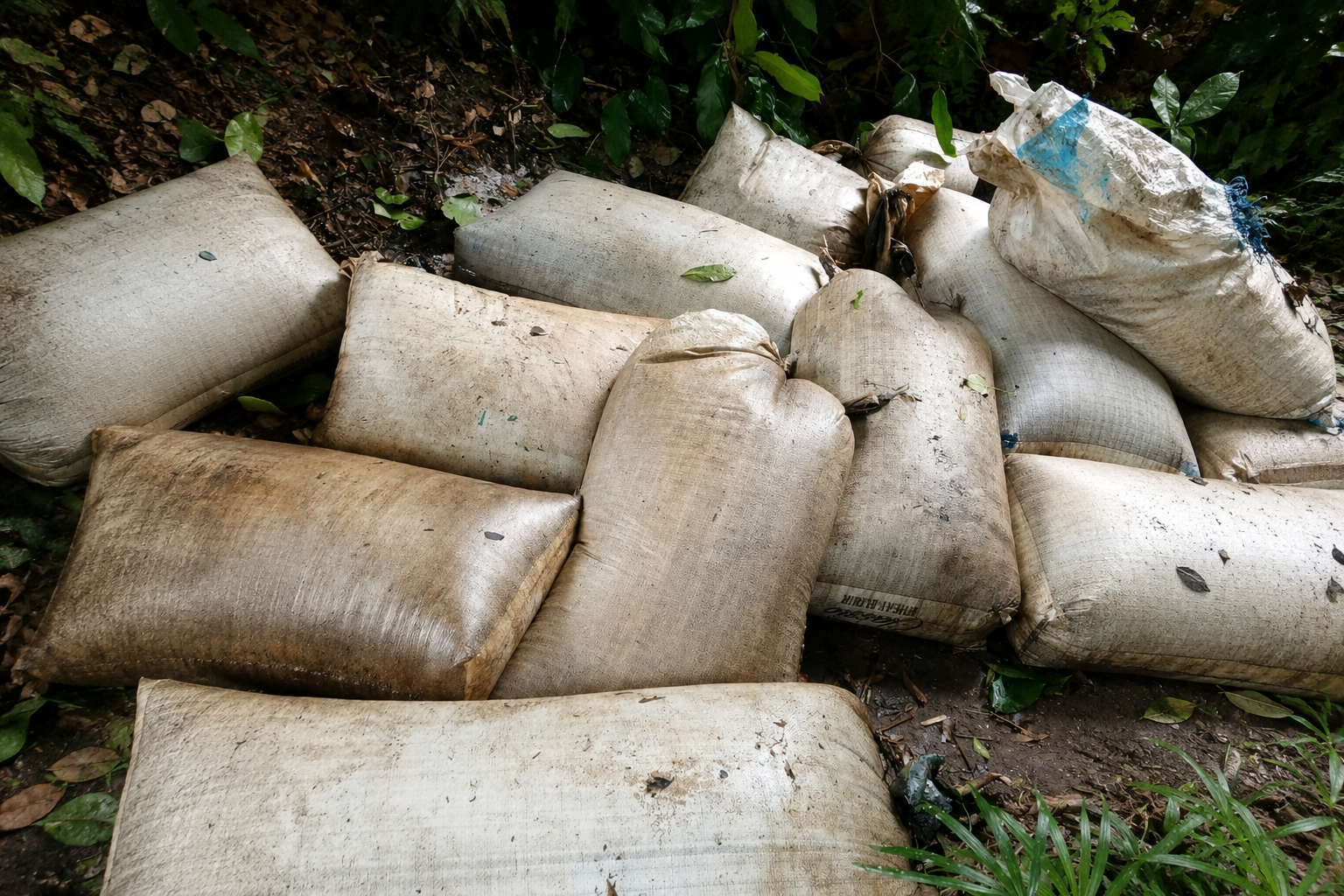
The new facility will use Honeywell technology to convert locally sourced used cooking oil into 120,000 tonnes of sustainable aviation fuel each year. Once operational, the project will reduce carbon emissions from aviation by an estimated 400,000 tonnes annually, according to the government.
Aviation transition gathers pace
The project marks an important step in Egypt's efforts to decarbonise its aviation sector, one of the hardest industries to reduce emissions because aircraft still depend largely on liquid fuels.
Demand for SAF is rising rapidly worldwide as airlines seek to meet stricter climate targets and comply with emerging environmental regulations, particularly in Europe. Countries that establish domestic SAF production are expected to improve fuel security, reduce dependence on imported cleaner fuels and position themselves within a fast-growing global low-carbon aviation market.
For Egypt, producing SAF locally could strengthen the competitiveness of its aviation industry while supporting broader national goals to expand renewable energy and lower industrial emissions.
Alongside the clean fuel project, the ministers reviewed preparations to maintain adequate jet fuel supplies during periods of high travel demand, including the Hajj and Umrah seasons and peak tourism periods.
Mr Badawi said Egypt's petroleum sector is upgrading aircraft refuelling facilities at airports in line with international standards and improving operational efficiency across the fuel supply chain.
He added that domestic refineries currently meet the country's jet fuel requirements and have sufficient capacity to respond to higher demand during busy travel seasons.
The government's dual focus on conventional jet fuel security and sustainable aviation fuel production reflects a broader strategy to balance immediate energy needs with long-term climate objectives. As global aviation moves towards lower-emission fuels, Egypt is positioning itself to support both regional air transport growth and the industry's transition to cleaner energy.
Related Stories

Sign up for our newsletter.
Get the latest news, expert analysis, and industry insights delivered straight to your inbox. Join thousands of professionals shaping the future of energy.
By submitting my information, I agree to the Privacy Policy and Terms of Service.