Climate & Sustainablity
Heatwaves Push More Nigerian Families Towards Poverty — Report
New research links climate-driven illness with rising medical bills, lower incomes, and deeper financial hardship in vulnerable households.
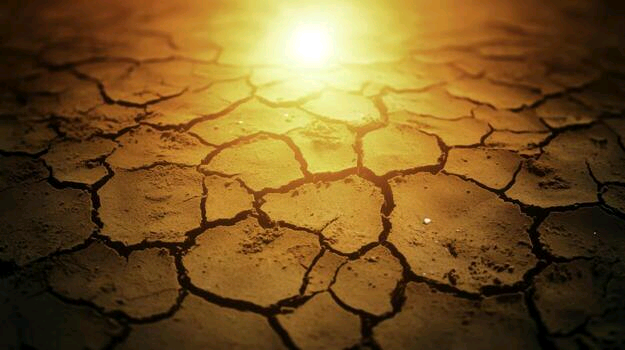
Climate change is pushing more families in Nigeria and South Africa into financial hardship as longer and hotter heatwaves reduce incomes, increase medical bills and weaken household finances, a new global report by Adelphi Global has found. The report examined eight countries and found that extreme heat is no longer only a health issue. It is also making it harder for many people to earn a living, pay for treatment and meet daily needs.
The report points to a direct link between heat-related illnesses and financial stress in households. It warns that people who lose income because they cannot work in extreme temperatures often spend more on healthcare at the same time. This double burden leaves many families with fewer resources to cope with future heatwaves or other economic shocks.
Scientists link the increase in extreme heat to climate change driven by human activity. They warn that temperatures and heatwaves will become more severe before the end of this decade if global warming continues. That trend could put millions more people at risk of illness and financial hardship.
Nigeria faces one of the heaviest burdens
Nigeria stands out in the report as one of the countries facing some of the strongest combined effects of extreme heat. Workers in agriculture and construction lose at least 20 working days every year because high temperatures reduce their ability to work safely or force them to stop working altogether.
Many of these workers depend on daily wages. Missing work means losing income immediately, while treatment for heat-related illnesses increases household spending. The report notes that limited social protection leaves many families without enough support when earnings fall or medical costs rise.
The health effects linked to extreme heat include dehydration, dizziness and heat exhaustion. In severe cases, people may suffer kidney disease or life-threatening heatstroke. These illnesses reduce productivity, lower wages and increase pressure on household budgets.
Researchers note that the financial effects on individuals have received much less attention than the impact of climate change on national economies. Their study seeks to show how falling incomes and rising health costs combine to weaken household resilience over time.
South Africa also records economic losses
The report shows that South Africa also faces serious economic effects from extreme heat, even though workers lose fewer working days than those in Nigeria and several Asian countries.
Researchers found that households in South Africa still face higher healthcare costs linked to heat-related illnesses. These expenses reduce disposable income and place extra pressure on family finances, showing that wealthier economies are not protected from the economic effects of climate change.
The study covered Bangladesh, Brazil, France, India, Indonesia, Italy, Nigeria and South Africa. It found that every country is experiencing financial losses linked to extreme heat, although the scale differs from one place to another.
Researchers warn that the situation could become much worse by 2030 if temperatures continue to rise. More frequent and longer heatwaves could increase illness, reduce work capacity and place even greater pressure on healthcare systems and household incomes.
The report urges governments to strengthen measures that protect people from extreme heat. It recommends better safety standards for outdoor workers, wider access to affordable healthcare and stronger social protection programmes for vulnerable households.
It also calls for greater investment in heat adaptation measures so communities can better cope with rising temperatures. Researchers argue that protecting people's health and incomes should become part of climate action plans, especially in countries where many households depend on physically demanding jobs.
The findings show that climate change is no longer only an environmental issue. For countries such as Nigeria and South Africa, extreme heat is becoming a direct threat to jobs, family finances and public health, making action to reduce its impact more urgent than ever.
Related Stories



Sign up for our newsletter.
Get the latest news, expert analysis, and industry insights delivered straight to your inbox. Join thousands of professionals shaping the future of energy.
By submitting my information, I agree to the Privacy Policy and Terms of Service.