Oil & Gas
Nigeria Cooking Gas Prices Climb to N2,000 per kg
Cooking gas costs climb sharply in Nigeria as supply shortages and festive demand push prices higher before Eid-el-Kabir.
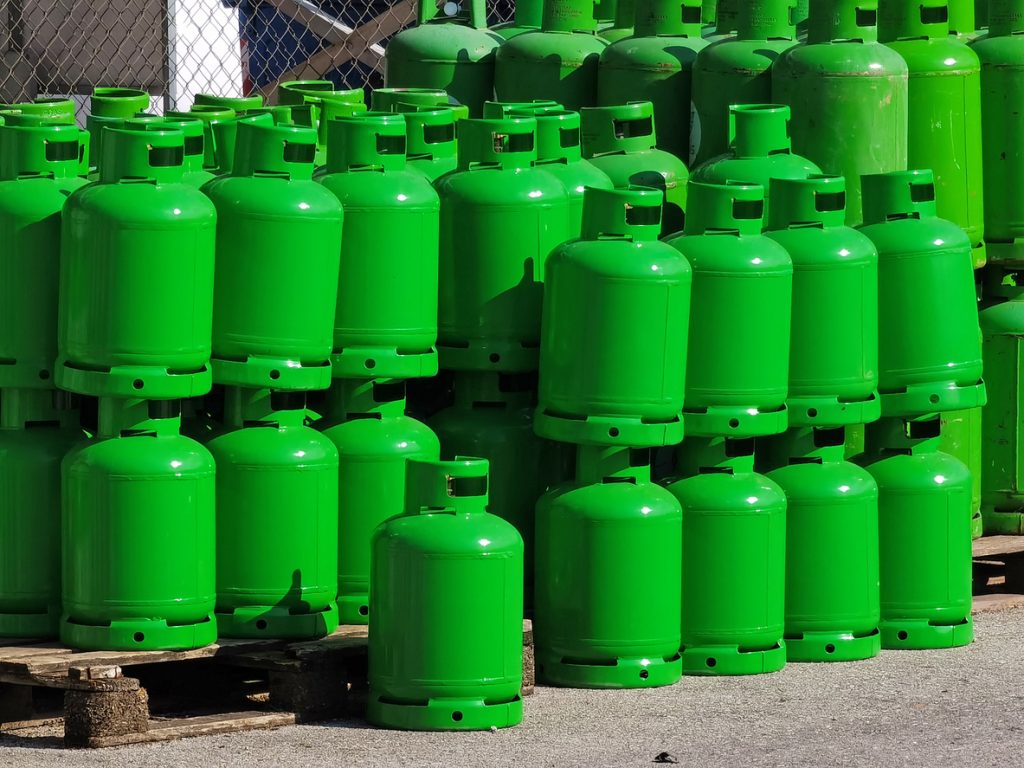
Cooking gas prices have risen sharply across Nigeria, with some retail outlets now selling at as much as N2,000 per kilogramme ahead of the 2026 Eid-el-Kabir celebrations.
The increase is being driven by tight depot supply and stronger festive demand, leaving marketers with limited stock to distribute. Industry sources said loading has become difficult in Lagos, the country’s main LPG hub, where only a few depots were active and volumes remained too low to meet demand.
Techno Oil was reported as the only active supplier in Lagos, selling at about N1,250 per kilogramme, but operators said the available volumes were still insufficient. As a result, retail prices have climbed to between N1,600 and N1,900 per kilogramme in Lagos, Ogun, Ibadan and other major cities, with several locations already crossing the N2,000 mark.
The situation has been worsened by the timing of the Sallah holidays, which typically drive up household and commercial gas use. With the Federal Government declaring May 27 and May 28 as public holidays for Eid-el-Kabir, demand has risen even further as families prepare for celebrations and food vendors ramp up cooking.
Marketers say the problem is not just seasonal demand but a supply chain that is struggling to keep up. They point to inconsistent loading allocations, depot shortages and irregular product inflows as key reasons prices have kept rising.
An earlier report by Petroleumprice.ng had already warned that prolonged supply disruption in Lagos could push retail prices close to the N2,000 per kilogramme level. That projection has now become reality in parts of the market.
Operators also blame broader upstream and import issues, including higher international LPG costs and unstable supply into storage depots. The Nigerian Association of Liquefied Petroleum Gas Marketers has repeatedly warned that the instability is hurting price control and making clean cooking fuel less accessible to households.
For now, the market remains under pressure, with consumers bearing the brunt of thin depot supply, rising festive demand and unpredictable pricing across the country.
Related Stories

Sign up for our newsletter.
Get the latest news, expert analysis, and industry insights delivered straight to your inbox. Join thousands of professionals shaping the future of energy.
By submitting my information, I agree to the Privacy Policy and Terms of Service.