Oil & Gas
PETROAN Credits Competition for Dangote Diesel Price Cut
PETROAN says stronger competition in Nigeria’s downstream oil market is helping push diesel prices lower and could improve fuel affordability for consumers.
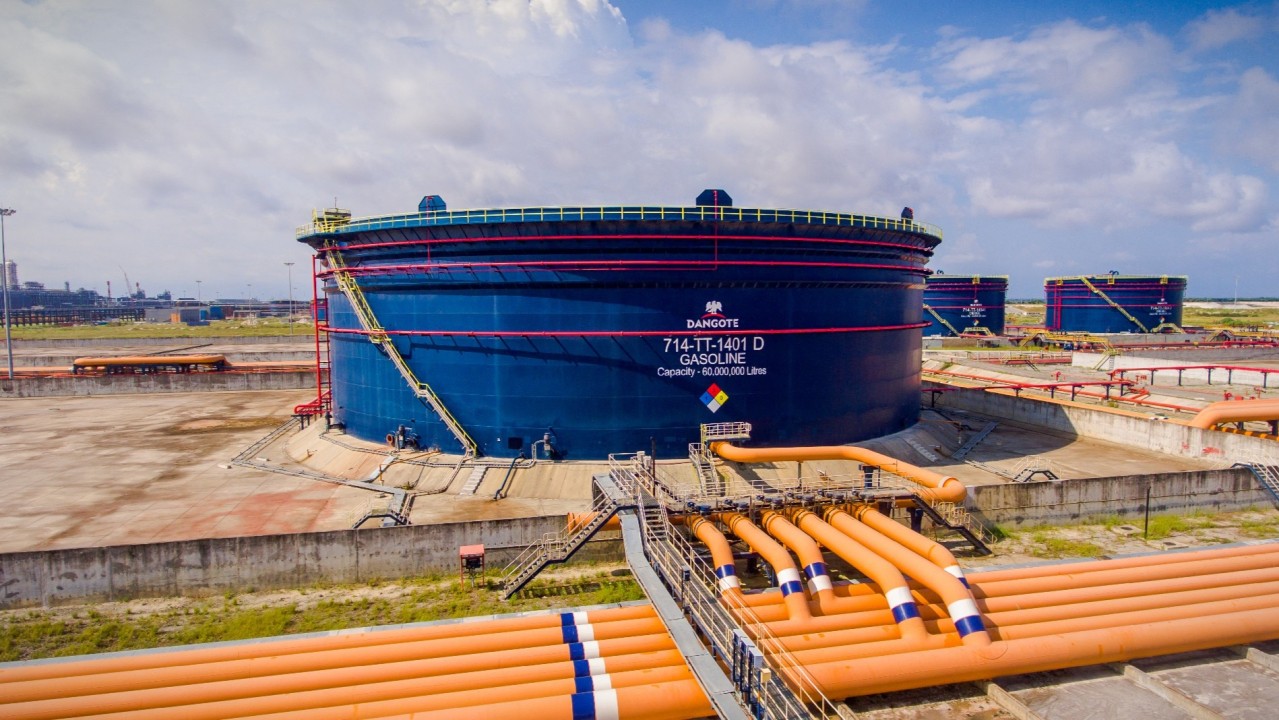
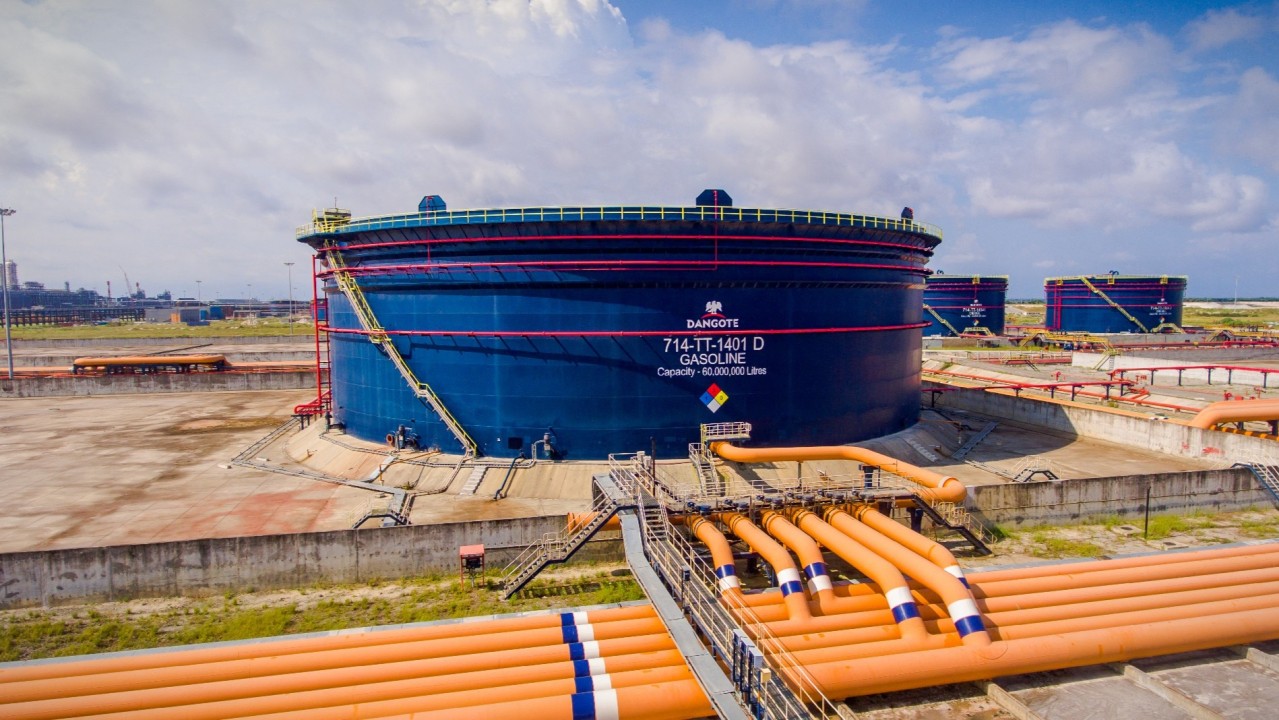
The Petroleum Products Retail Outlets Owners Association of Nigeria (PETROAN) has said competition in the downstream petroleum sector pushed Dangote Petroleum Refinery to reduce its ex-depot diesel price by N200 per litre.
PETROAN National Public Relations Officer, Dr Joseph Obele, said the price adjustment, from N1,800 to N1,600 per litre on Tuesday, shows that rivalry in the market can deliver lower prices for consumers. He argued that the reduction followed the arrival of fresh imported products into the Nigerian market.
Obele said the development supports the case for competition rather than monopoly in the petroleum industry. According to him, the refinery likely cut prices in response to importers whose cargoes were already on the way to Nigeria and whose landing costs were higher than the new selling price.
The association added that the latest move is evidence that a deregulated downstream market can work in favour of consumers when more suppliers are allowed to participate. Obele maintained that the more competition the sector has, the better the chances of lower fuel prices.
The comment comes amid a legal dispute involving Dangote Refinery, the Attorney General of the Federation and the Nigerian National Petroleum Company Limited over fuel import licences issued to marketers.
Dangote Refinery has argued in court that continued import permits undermine local refining and discourage investment in domestic production. It says Nigeria already has enough refining capacity to meet local demand.
NNPC, however, has told the court that products from Dangote Refinery are sold at significantly high and fluctuating prices, warning that limiting imports could give the refinery monopoly power in the downstream market.
PETROAN has backed the NNPC position, saying multiple supply sources are necessary to prevent price exploitation and improve affordability. Industry players remain divided, with some supporting open imports for competition while others want local refining protected for energy security and long-term sustainability.
Related Stories
Sign up for our newsletter.
Get the latest news, expert analysis, and industry insights delivered straight to your inbox. Join thousands of professionals shaping the future of energy.
By submitting my information, I agree to the Privacy Policy and Terms of Service.