Oil & Gas
Nigeria's Cooking Gas Prices Rise to N1,700
Cooking gas prices in Nigeria have climbed to N1,700 per kilogram, prompting marketers to warn of supply shortages, rising hardship and possible public unrest unless the government intervenes.
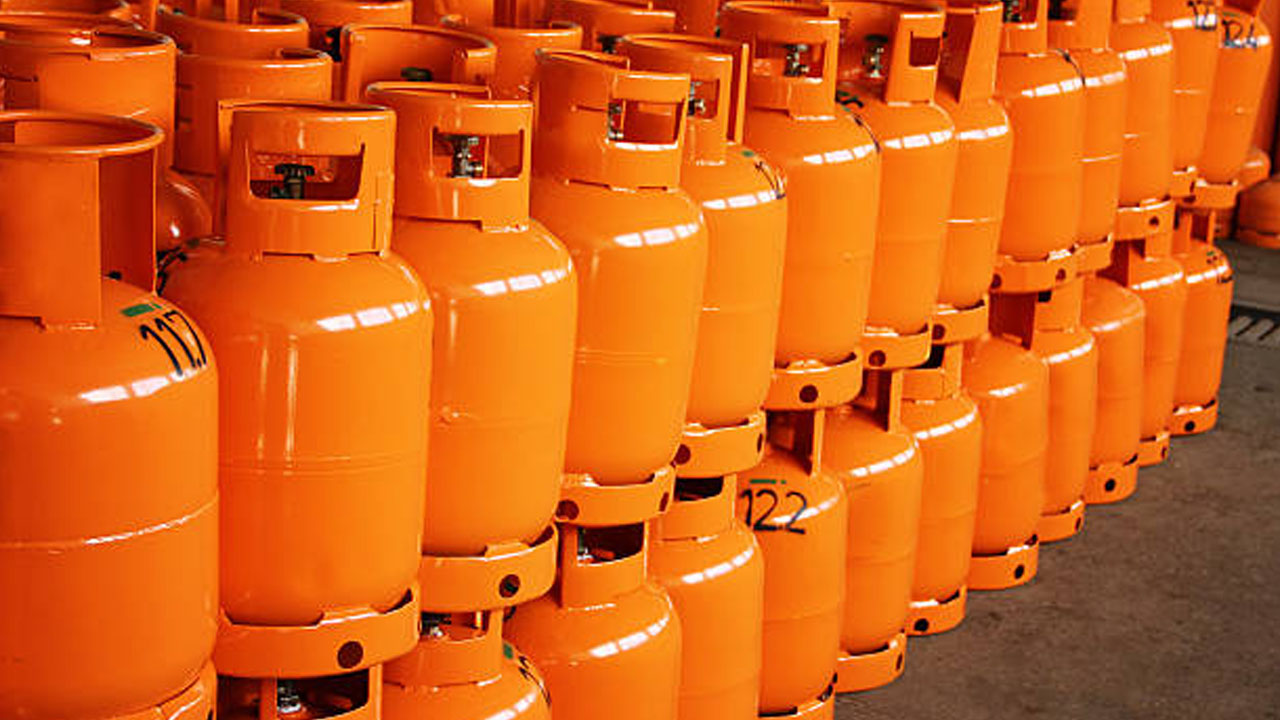
The Nigerian Association of Liquefied Petroleum Gas Marketers (NALPGAM) has raised the alarm over the sharp increase in cooking gas prices across the country, warning that the trend could provoke public anger against gas filling station operators if left unchecked.
The association said prices now range between N1,500 and N1,700 per kilogram, while marketers are paying between N25.2 million and N26.2 million for a 20-metric-tonne truck of liquefied petroleum gas, depending on location.
Its National President, Edu Inyang, called on the Federal Government to intervene urgently to stabilise supply and pricing. He noted that the burden is being felt by households, food vendors, small businesses and low-income earners, many of whom are struggling to keep up with the cost of daily cooking fuel.
Inyang described the development as troubling, saying cooking gas has become too expensive for many Nigerians to afford. He cautioned that if the situation continues, frustration among consumers could spill over to operators of gas filling stations.
He linked the price increases to a mix of supply shortages, high depot prices, logistics challenges and rising operational costs facing marketers nationwide.
The association also warned that the trend is slowing Nigeria’s clean energy progress. It said many households are now turning back to firewood and charcoal because LPG has become unaffordable, a shift that could worsen public health concerns and environmental damage.
According to Inyang, the situation could also deepen food inflation, cause job losses, weaken small LPG retail businesses and discourage investors from remaining in the sector.
NALPGAM urged the Federal Government, the Ministry of Petroleum Resources, the Nigerian Midstream and Downstream Petroleum Regulatory Authority, NNPC Ltd., domestic producers and other stakeholders in the LPG value chain to take coordinated action.
It recommended higher domestic supply allocation, more transparent distribution, the removal of bottlenecks in importation and distribution, and urgent steps to make cooking gas more affordable and accessible to Nigerians.
Related Stories

Sign up for our newsletter.
Get the latest news, expert analysis, and industry insights delivered straight to your inbox. Join thousands of professionals shaping the future of energy.
By submitting my information, I agree to the Privacy Policy and Terms of Service.