Oil & Gas
Ghana Scraps Petrol Relief, Cuts Diesel Support
Ghana has withdrawn part of its fuel price relief measures as rising global oil costs continue to increase pressure on domestic energy prices and household expenses.
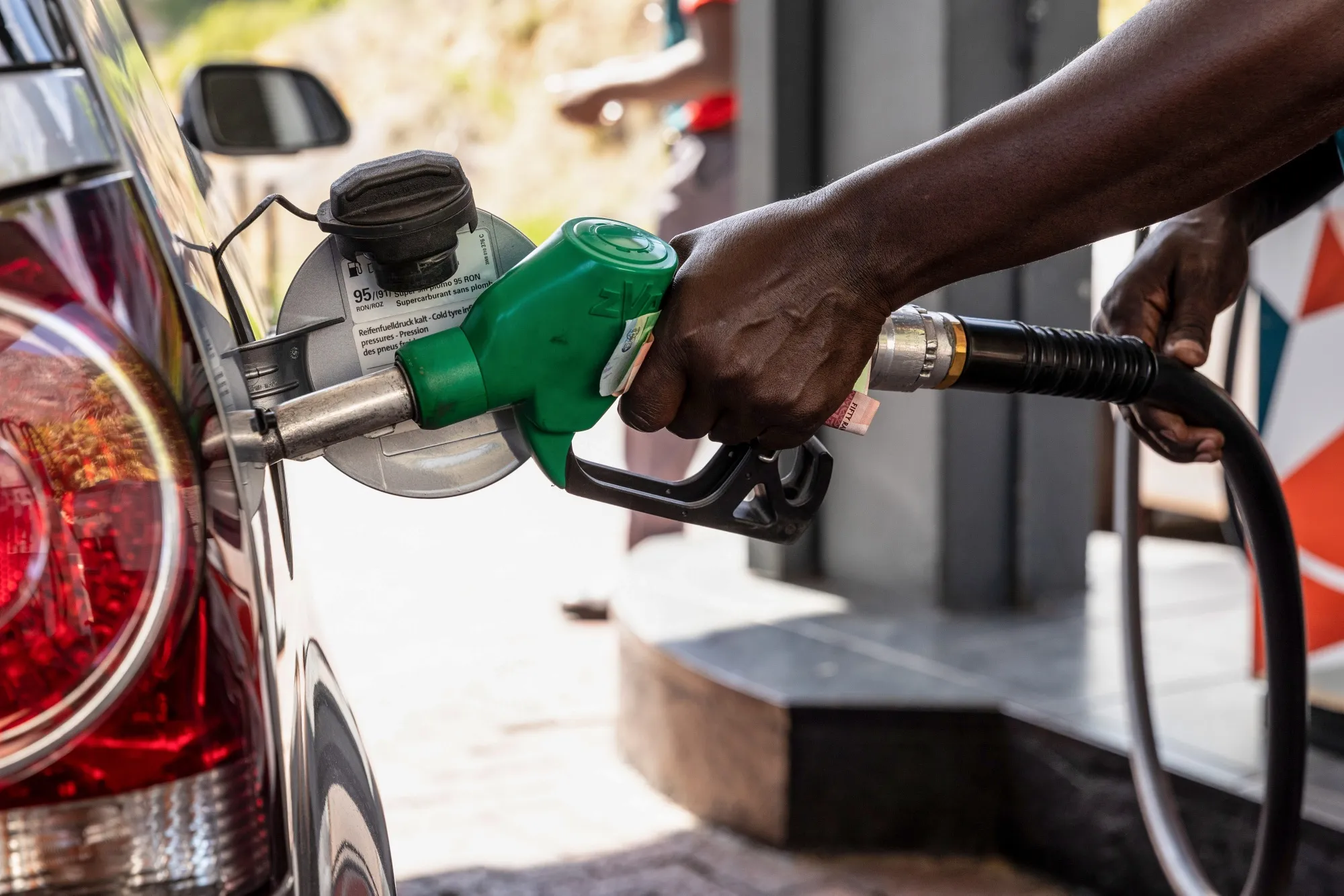
Ghana has revised measures introduced to cushion motorists against rising fuel prices by scrapping the 36-pesewa relief on petrol and reducing the GH¢2 relief on diesel to GH¢1.07. The new adjustments took effect from May 16 for the second pricing window.
According to a statement issued by the Ministry of Energy and Green Transition, the decision followed a Cabinet meeting chaired by President John Dramani Mahama to assess developments in the international oil market and the impact of global price volatility on domestic fuel prices.
The ministry said the revised measures would remain in force for two pricing windows, subject to further review based on prevailing market conditions.
Government officials said the policy adjustment was aimed at balancing consumer protection with fiscal sustainability as global oil market pressures continue to affect fuel-importing economies.
The latest development is expected to trigger further increases in pump prices across the country.
Price floors published by the National Petroleum Authority showed petrol pegged at GH¢14.60 per litre, diesel at GH¢15.81 per litre and LPG at GH¢13.16 per kilogram for the latest pricing window.
This compares with the first pricing window in May, when petrol sold at GH¢13.25 per litre, diesel at GH¢14.30 per litre and LPG at GH¢13.02 per kilogram.
The adjustments indicate that petrol prices increased by GH¢1.35 per litre, while diesel recorded the highest increase, rising by GH¢1.51 per litre.
The National Petroleum Authority explained that the approved price floors exclude premiums charged by international oil trading companies, operating margins of bulk import, distribution and export firms, as well as marketers’ and dealers’ margins.
Under Ghana’s Petroleum Products Pricing Guidelines, oil marketing companies and LPG marketing firms are required to comply with approved price floors during each pricing window.
The authority noted that the price floor represents the minimum benchmark price approved for petroleum products within a specified pricing cycle.
Analysts said the latest increase reflects mounting pressure on African fuel-importing economies as global oil price volatility and exchange rate pressures continue to raise domestic energy costs.
Related Stories

Sign up for our newsletter.
Get the latest news, expert analysis, and industry insights delivered straight to your inbox. Join thousands of professionals shaping the future of energy.
By submitting my information, I agree to the Privacy Policy and Terms of Service.