Oil & Gas
Kenya Protests Fuel Price Hike as Transport Strike Disrupts Movement
Rising fuel prices sparked protests and transport disruptions in Kenya as households grapple with mounting living costs linked to global oil market pressures.

Protests erupted across parts of Kenya on Monday following sharp increases in fuel prices, with a nationwide public transport strike leaving thousands of commuters stranded and forcing many residents to trek long distances to work.
The strike, organised by the Transport Sector Alliance, saw vehicles affiliated with several transport associations suspend operations from midnight in protest against the latest fuel price adjustment.
Major roads leading into Nairobi were blocked by striking operators and protesters, resulting in severe traffic congestion and disruption to commercial activities in parts of the capital.
Police fired tear gas in some areas to disperse protesters, while burning tyres and makeshift barricades further restricted movement.
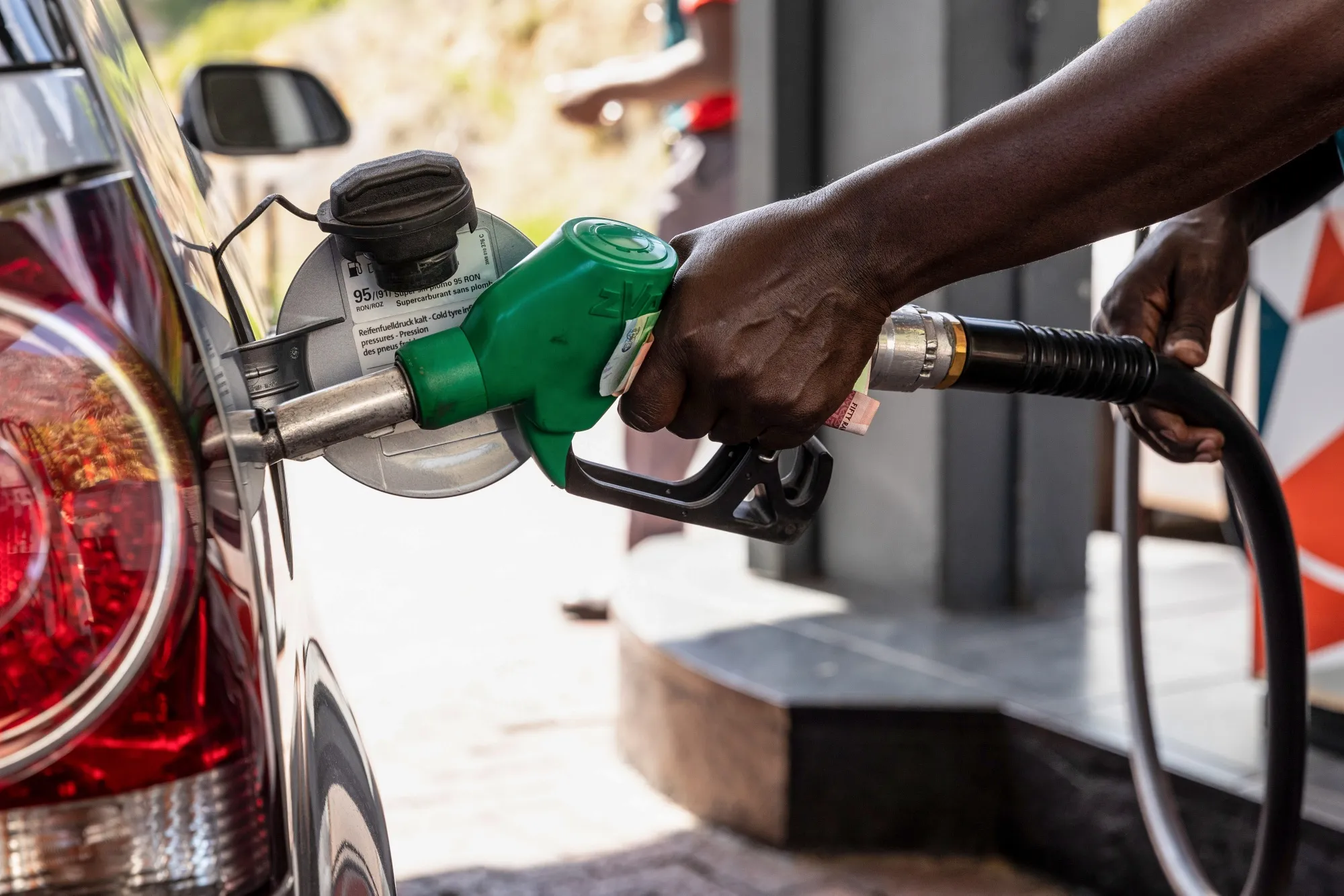
The demonstrations followed a fresh increase in retail fuel prices announced last week by Kenya’s Energy and Petroleum Regulatory Authority (EPRA).
Under the latest pricing cycle, the pump price of super petrol in Nairobi rose to 214.25 Kenyan shillings per litre from 206.97 shillings, while diesel increased to 242.92 shillings from 196.63 shillings. Kerosene prices remained unchanged at 152.78 shillings per litre.
The Kenyan government attributed the increase to volatility in global oil markets caused by the ongoing conflict in the Middle East.
Energy Cabinet Secretary Opiyo Wandayi said geopolitical tensions had disrupted global supply chains and increased the cost of petroleum imports.
According to the ministry, the average landed cost of imported super petrol rose from 823.27 dollars per metric tonne in March to 906.23 dollars in April, representing a 10 per cent increase.
Diesel recorded the sharpest rise, increasing by 20.32 per cent over the same period.
The government also cited rising insurance premiums linked to tensions around the Strait of Hormuz and increasing freight charges in global petroleum markets.
Finance Minister John Mbadi said government officials planned to meet transport operators to discuss possible solutions, adding that fuel prices were already benefiting from subsidy support.
The government said it had applied about Ksh.5 billion through the Petroleum Development Levy stabilisation mechanism to cushion diesel and kerosene prices.
Kenya imports most of its petroleum products from the Middle East under government-to-government supply arrangements with Gulf suppliers.
The latest fuel increase has triggered a rise in transport fares and the cost of basic goods, worsening pressure on households already facing high living costs.
In Mombasa, concerns emerged over possible supply-chain disruptions as transport activities slowed around the country’s main port city.
Some residents said the increase had significantly raised their daily expenses.
A public relations worker, Gabriel Odhiambo, said his transport costs had doubled, while food prices continued to rise.
Analysts opined that the protests reflect growing public frustration over inflationary pressures and Kenya’s exposure to global energy market shocks due to its dependence on imported fuel.
Related Stories
Sign up for our newsletter.
Get the latest news, expert analysis, and industry insights delivered straight to your inbox. Join thousands of professionals shaping the future of energy.
By submitting my information, I agree to the Privacy Policy and Terms of Service.