Climate & Sustainablity |Finance
$3bn Pledged for Congo Basin Projects at AfDB Annual Meetings
A major financing push for the Congo Basin signals growing international support for one of Africa’s most important climate and biodiversity frontiers, with new investment set to back long-term ecological protection and sustainable development.
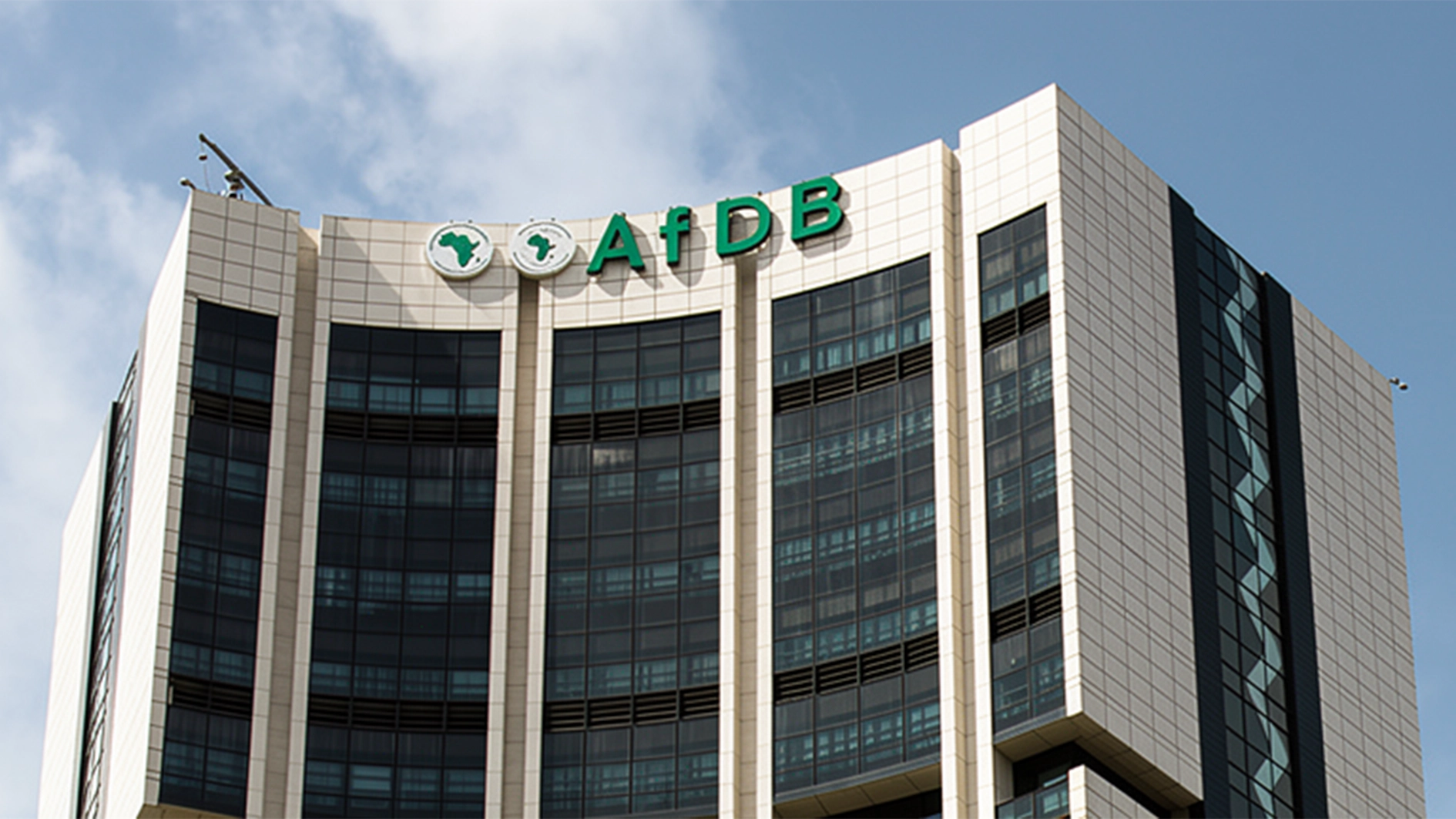
More than $3bn has been pledged to support 63 low-carbon projects in the Congo Basin, in a major financing push to protect one of the world’s most important ecological regions.
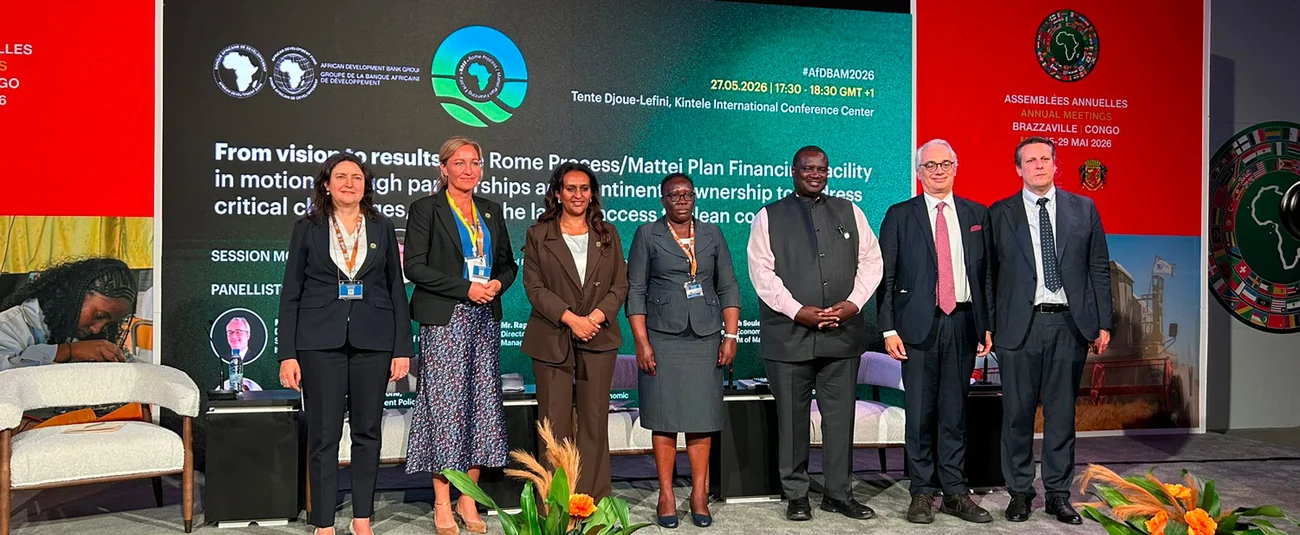
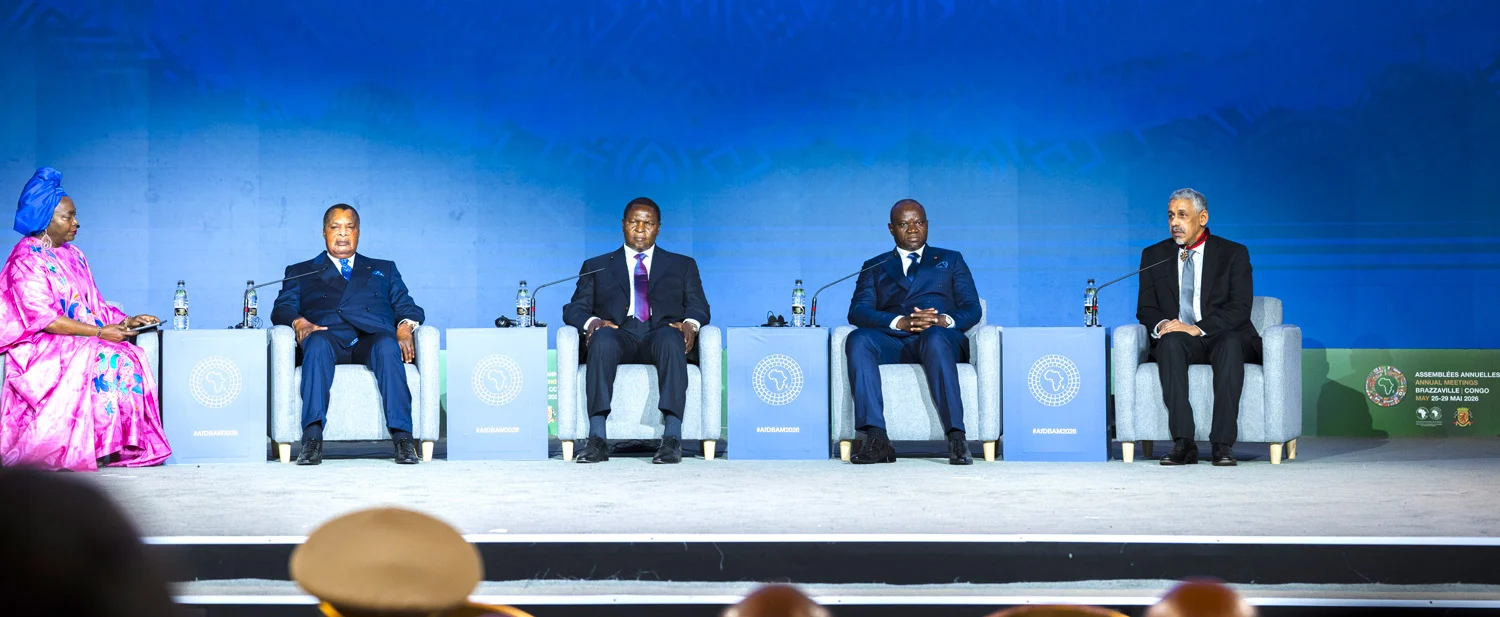
The commitments emerged at an inaugural roundtable on the sidelines of the African Development Bank Group’s annual meetings in Brazzaville, where international donors backed the Congo Basin Blue Fund. The fund is designed to finance projects that advance climate action, biodiversity protection and sustainable development across the region.
Congolese President Denis Sassou N’Guesso, who chairs the Congo Basin Climate Commission, described the pledges as an important step towards fulfilling the fund’s mandate. He noted that the initiative has long been awaited by the basin states and their populations.
The Congo Basin Climate Commission’s 17 member countries have set a target of $5.72bn for a priority programme of 70 projects under the Blue Fund. The latest commitments move the initiative closer to that goal and widen the financing base for low-carbon investment in Central Africa.
The African Development Bank Group will provide $250m in preliminary funding to help implement projects led by the regional climate mechanism. Léandre Bassolé, the bank’s director general for Central Africa, emphasised that the basin countries cannot carry the cost of protecting the region alone and urged partners to step up resource mobilisation.
The Congo Basin, the world’s second-largest tropical rainforest after the Amazon, covers about 300 million hectares of forests and peatlands. It is a major carbon sink, storing billions of tonnes of carbon, while sustaining the livelihoods of tens of millions of people across the sub-region.
Following the roundtable, BDEAC, which hosts the Blue Fund, committed to finance the equivalent of $600m in low-carbon infrastructure projects. The World Bank Group pledged $1bn, the African Chamber of Commerce in Scandinavia offered $600m in grants, and the Green Climate Fund added $320m to the package.
The African Sovereign Fund also announced $500m in financial guarantees for the public and private sectors over the period 2026 to 2028.
The projects are tied to the African Union’s Agenda 2063, the Marrakesh Declaration and national development plans in the region. Further fundraising is expected as the Blue Fund seeks backing from governments, private investors, technical partners and philanthropic actors to finance ecological transition and blue and green economy projects.
Related Stories
Sign up for our newsletter.
Get the latest news, expert analysis, and industry insights delivered straight to your inbox. Join thousands of professionals shaping the future of energy.
By submitting my information, I agree to the Privacy Policy and Terms of Service.