Power
Malawi's Mine Owners Turn to Solar, Self-Generated Power as Grid Fails
A World Bank report says Malawi's mining sector could need 120 extra megawatts of electricity by 2032, but the national grid cannot supply it, pushing companies to build their own power.
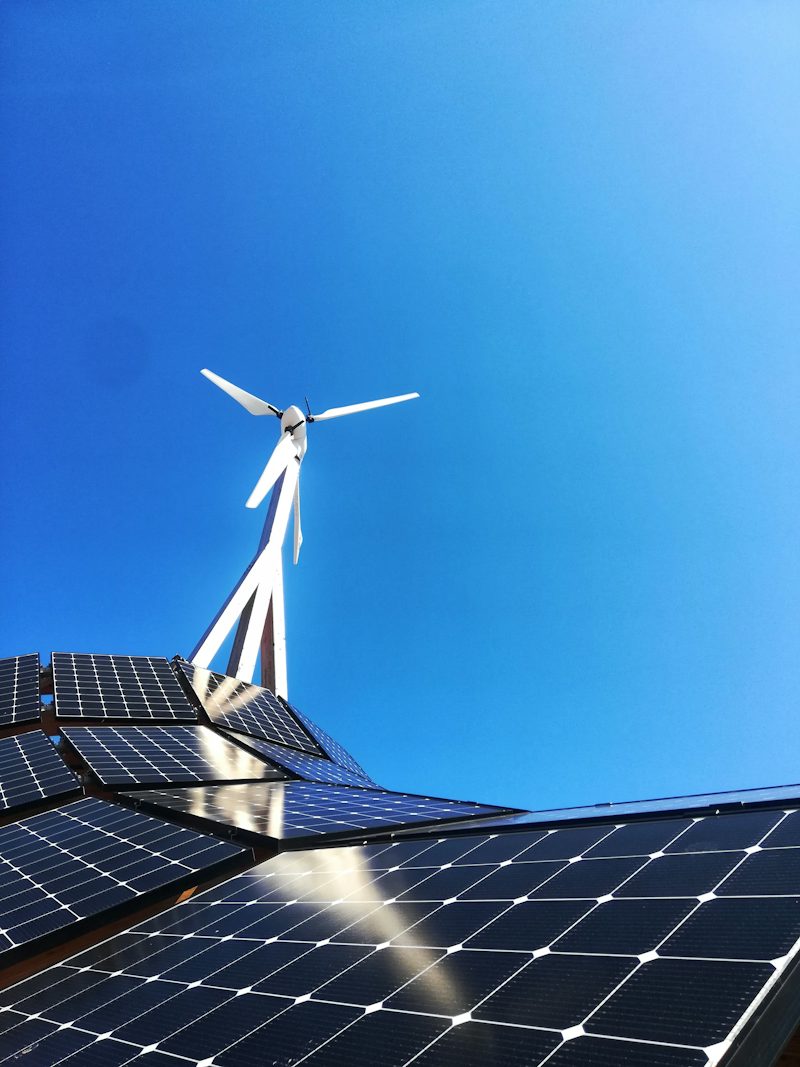
Mining companies in Malawi are building their own power supply because the national electricity grid cannot meet their needs, a new World Bank report has found.
The report, titled "From Potential to Prosperity: A Roadmap for Malawi's Energy Transition Minerals," says the mining sector alone could need an extra 120 megawatts of electricity by 2032.
Malawi's grid already struggles with chronic shortages, and the report warns it is open to disruption from climate events. Mining Minister Thoko Tembo spoke at the launch of the roadmap.
Why the grid cannot cope
The World Bank puts the mining sector's power needs at 60 to 100 megawatts in the medium term, rising to as much as 160 megawatts later on.
Electricity costs typically make up about 30 percent of mining operating expenses, the report said. This means unreliable grid supply often forces companies to generate their own power, which raises costs and can put projects at risk.
At Lindian Resources' Kangankunde rare earths project in Balaka, in southern Malawi, executive director Zekai Komur said grid power access is now "a major consideration" for the company's expansion plans.
"We are looking at a major solar farm and 20 megawatts of Escom power," Komur said. Escom is Malawi's state electricity utility.
Companies building around the shortage
Kangankunde's first phase needs about three megawatts to raise output from a planned 500,000 tonnes a year toward four million tonnes, Komur said.
A possible second phase would combine a solar farm with 20 megawatts from Escom, and this could lift production five times over, to around 100,000 tonnes of rare earth concentrate a year by 2028 or 2029. Komur said the company has applied to upgrade its mining licence from medium- to large-scale.
Kayelekera, a uranium project in Karonga in northern Malawi owned by Australia's Lotus Resources, currently runs entirely off-grid, without any connection to the national power supply.
Malawi has identified uranium, graphite, rutile, rare earths, niobium and tantalum as priority minerals, with projects including Kayelekera, Kasiya, Kangankunde, Songwe Hill and Kanyika at different stages of development.
The World Bank estimates the sector could bring in around $30 billion in exports between 2026 and 2040, but says this depends on infrastructure and institutional reforms that have not yet happened.
The World Bank named the 358-megawatt Mpatamanga Hydropower Storage Project, expected to become Malawi's biggest power plant, as one priority for the country. But it said building more power plants alone will not close the gap.
It also called for power connections with Mozambique and Zambia, prices that reflect the true cost of electricity, and a system to stabilise foreign exchange, to attract investment.
The bank estimates Malawi's energy sector needs billions of dollars in investment, and only $530 million of that has been secured so far.
Tembo said the roadmap should be read alongside the government's "Malawi 2063" long-term development plan. She listed priorities including better licensing systems, stronger environmental oversight, and making sure mining benefits local people.
It has been noted that without firm government action, the country's mining ambitions will stay stuck in policy documents while investment gets delayed by infrastructure problems that could be avoided.
Malawi is one of the world's poorest countries, and it has pinned its hopes on mining to diversify an economy that has long depended on agriculture.
Related Stories


Sign up for our newsletter.
Get the latest news, expert analysis, and industry insights delivered straight to your inbox. Join thousands of professionals shaping the future of energy.
By submitting my information, I agree to the Privacy Policy and Terms of Service.