Power |Finance
Uganda to Build 150km Power Line to End South Sudan's Diesel Dependence
A $121 million loan is paying for a transmission line from Olwiyo to the South Sudan border, with work to finish by 2029.
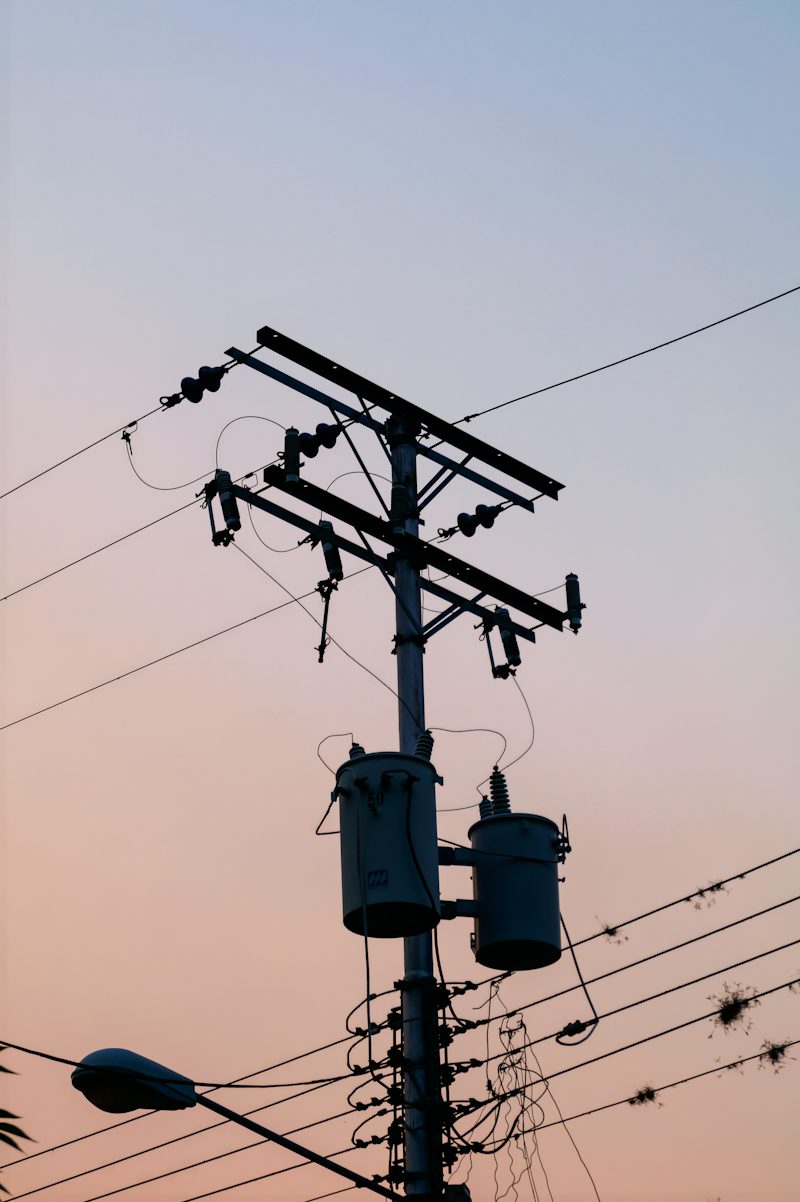
Uganda has begun building a 150-kilometre high-voltage power line from Olwiyo to the South Sudan border, so that South Sudan can get cheaper electricity and Uganda can sell power it does not use at home.
The African Development Fund (ADF), a lending arm of the African Development Bank Group (AfDB), gave a loan of UA 91.7 million, about $121 million, to pay for it.
Daniel Okelo, Head of Grid Development and Planning at the Ministry of Energy and Mineral Development (MEMD), said work will run from 2026 to 2029.
The Ugandan government, UETCL and the AfDB held a technical launch of the project alongside the Ministry of Finance, Planning and Economic Development.
Diesel makes South Sudan's power costly
South Sudan depends on diesel generators for most of its electricity, and this keeps power prices high there, said Baba Fataja of the AfDB.
"South Sudan is really struggling to have a reliable supply of electricity, which is very expensive because they depend on diesel," Fataja said.
The AfDB paid for the studies that made the power line plan possible, Fataja said. Once built, the line will let South Sudan buy power from Uganda, while Uganda gets a new buyer for electricity it produces beyond its own needs.
"With the cooperation of the two countries, there is an opportunity for them to get a cheaper source of energy from Uganda, and at the same time Uganda can export excess energy that they produce," he said.
Fataja said the plan could open the door for other countries to join the trade in future.
How the line runs, from Karuma to the border
The power line is part of the South Sudan-Uganda Power Interconnection Project (SUPIP), a joint scheme between the two countries. In full, SUPIP will cover about 299 kilometres, carrying 400-kilovolt current, a measure of how strong the electricity on the line is, on a double-circuit line, meaning two lines built side by side, between Olwiyo in Uganda and Juba/Gumbo in South Sudan.
Uganda's share is about 150 kilometres. This runs 118 kilometres from Olwiyo Substation to Bibia, then 32 kilometres from Bibia to the border with South Sudan.
A substation changes the voltage of electricity so it can move safely on power lines and reach homes and businesses.
Uganda will build a new Bibia Substation, upgrade the Olwiyo Substation, and extend the Karuma Substation. The extension at Karuma will let electricity made there travel on to Olwiyo before heading north.
Once finished, the line will connect South Sudan to the Eastern Africa Power Pool (EAPP), a group of countries in the region that trade electricity across their borders. It will also add to Uganda's transmission network in the north, and could bring in extra money for Uganda through electricity sales.
Tasks left before full construction
Uganda still needs to complete a number of steps before building work moves ahead. These include hiring a Project Supervision and Management Consultant, finishing environmental and social checks, fixing the exact route of the line, and hiring contractors under an Engineering, Procurement and Construction (EPC) deal, where one firm handles the design, building and supply of the project.
One of the checks needed is a Resettlement Action Plan (RAP), which sets out how people affected by the construction will be compensated and resettled.
Uganda and South Sudan will coordinate on buying materials and building the shared cross-border section of the line, but each country will handle its own part on its own soil.
MEMD said the technical launch held should not be mistaken for the full ceremonial launch of the regional project. That bigger event will come only once more progress has been made on procurement and other preparations.
South Sudan's part of the project is also getting money from the European Union, on top of what the two governments and other development partners are putting in.
The line is expected to cut reliance on costly diesel power and improve access to electricity. Okelo said the Ugandan side of the work runs through to 2029, when the full line should be ready to carry power across the border.
Related Stories

Sign up for our newsletter.
Get the latest news, expert analysis, and industry insights delivered straight to your inbox. Join thousands of professionals shaping the future of energy.
By submitting my information, I agree to the Privacy Policy and Terms of Service.