Oil & Gas
Dangote Proposes Cameroon Fuel Terminal to Expand Exports
Dangote's proposed Cameroon fuel terminal could expand refined product exports from Nigeria and strengthen petroleum supply networks across Central Africa.
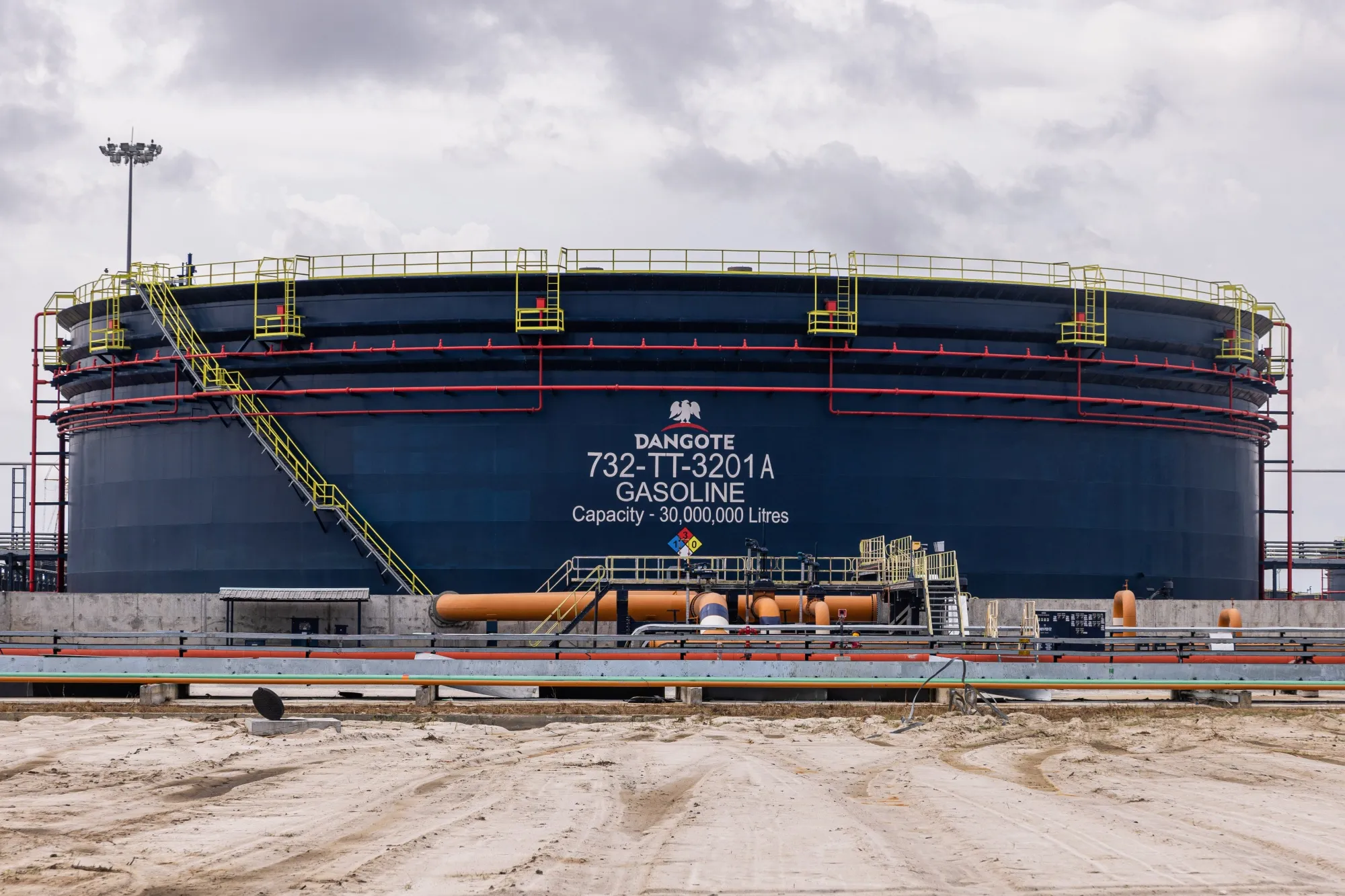
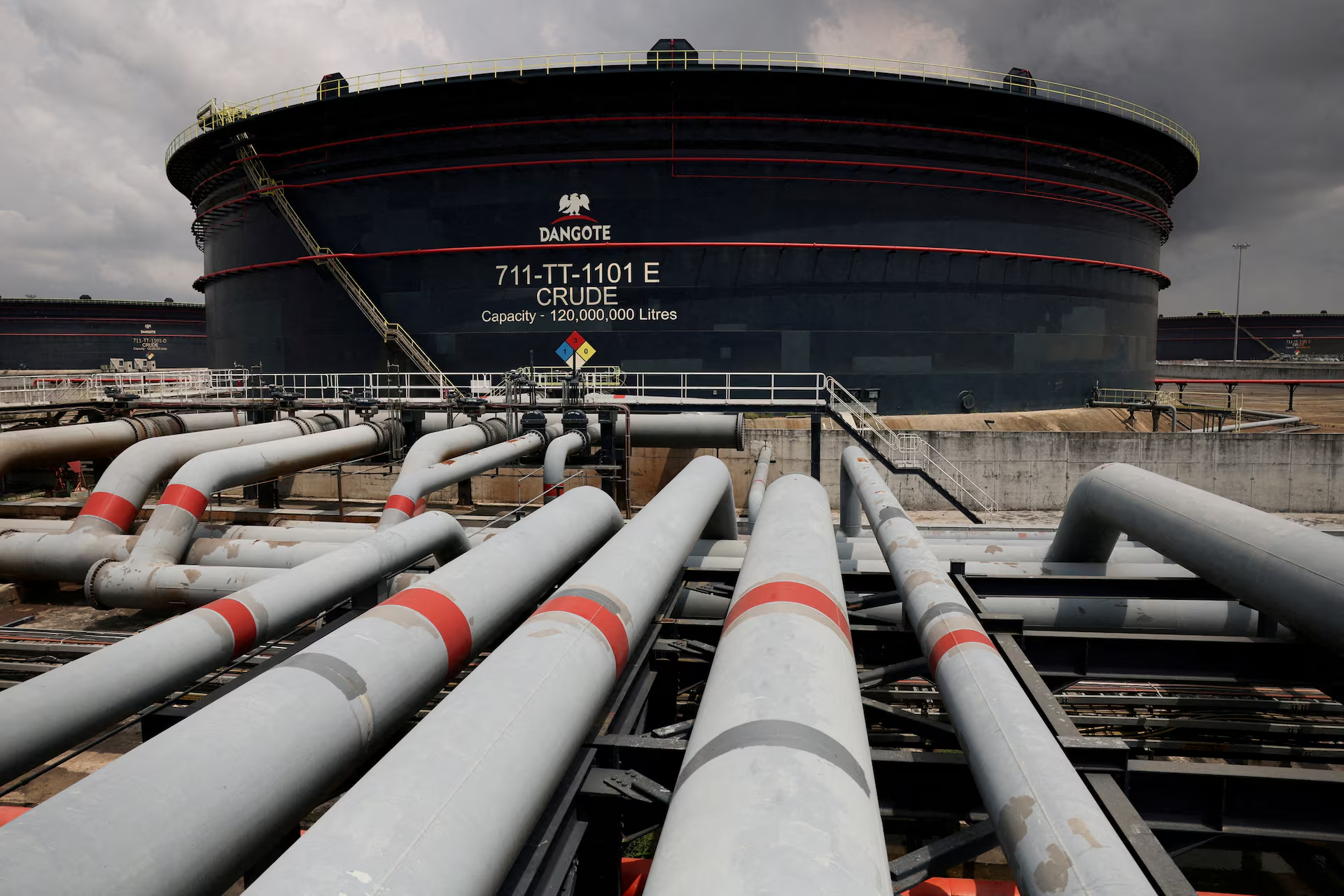
The Dangote Group has proposed building a petroleum products storage terminal in Cameroon, a project that could strengthen fuel distribution across Central Africa and create a new supply route for refined products from its 650,000-barrel-per-day refinery in Lagos.
The proposal was presented to Cameroon's Prime Minister, Joseph Dion Ngute, on Tuesday by Devakumar Edwin, Vice President of Oil, Gas and Fertiliser at the Dangote Group.
According to media outlet Business in Cameroon, the proposed terminal could support Cameroon's strategic petroleum reserves and improve the country's fuel supply security. The company has not released details of the project, including its location, storage capacity, investment value or expected construction timeline.
No agreement has been announced following the meeting. It is also unclear whether the facility would be owned entirely by Dangote, developed through a partnership with the Cameroonian government or delivered under another investment structure.
A storage terminal in Cameroon would give Dangote a potential distribution point for refined products in Central Africa.
The facility could serve markets such as Chad and the Central African Republic, which rely heavily on Cameroonian ports for fuel imports. Additional storage capacity closer to these markets could reduce supply delays and improve the movement of petroleum products across the region.
Cameroon’s storage plans
The proposal comes as Cameroon develops new infrastructure to increase its petroleum storage capacity.
The National Petroleum Storage Company is developing a terminal in Kribi with planned capacity of 230,000 cubic metres for refined products, including petrol, diesel and kerosene. The facility will also include storage capacity for 40,000 metric tonnes of liquefied petroleum gas.
Another project is being developed by CSTAR Tank Farm Project Management, a consortium involving Ariana Energy, Tradex and the National Hydrocarbons Corporation. The facility is expected to provide between 250,000 and 300,000 cubic metres of storage for diesel, petrol, aviation fuel, kerosene and heavy fuel oil.
The two projects could add at least 480,000 cubic metres of liquid fuel storage capacity to Cameroon’s downstream petroleum sector. A Dangote terminal would enter a market where storage capacity is already increasing, with its future role depending on ownership arrangements, access to infrastructure and agreements around fuel supply.
Dangote’s regional fuel strategy
The proposed terminal would mark Dangote Group’s entry into Cameroon’s downstream petroleum sector, adding to its existing cement manufacturing operations in the country.
The facility would support the company’s plans to build distribution networks around its Lagos refinery as it increases refined product output for African and international markets. Additional storage infrastructure will be important for moving fuel from the refinery to customers across different regions.
Cameroon’s petroleum storage and distribution network is currently managed largely by the National Petroleum Storage Company, which oversees storage facilities, strategic reserves and fuel distribution infrastructure.
A Dangote-backed terminal would introduce another major participant into Cameroon’s downstream market, creating new capacity for fuel storage and distribution as the country strengthens its energy infrastructure.
Related Stories

Sign up for our newsletter.
Get the latest news, expert analysis, and industry insights delivered straight to your inbox. Join thousands of professionals shaping the future of energy.
By submitting my information, I agree to the Privacy Policy and Terms of Service.