Power |Oil & Gas
Gas Switch Cuts Ghana's Power Fuel Bill by More Than GH¢3 Billion
Ghana is switching power plants from crude to gas, as new projects target a 75% cut in electricity generation costs.
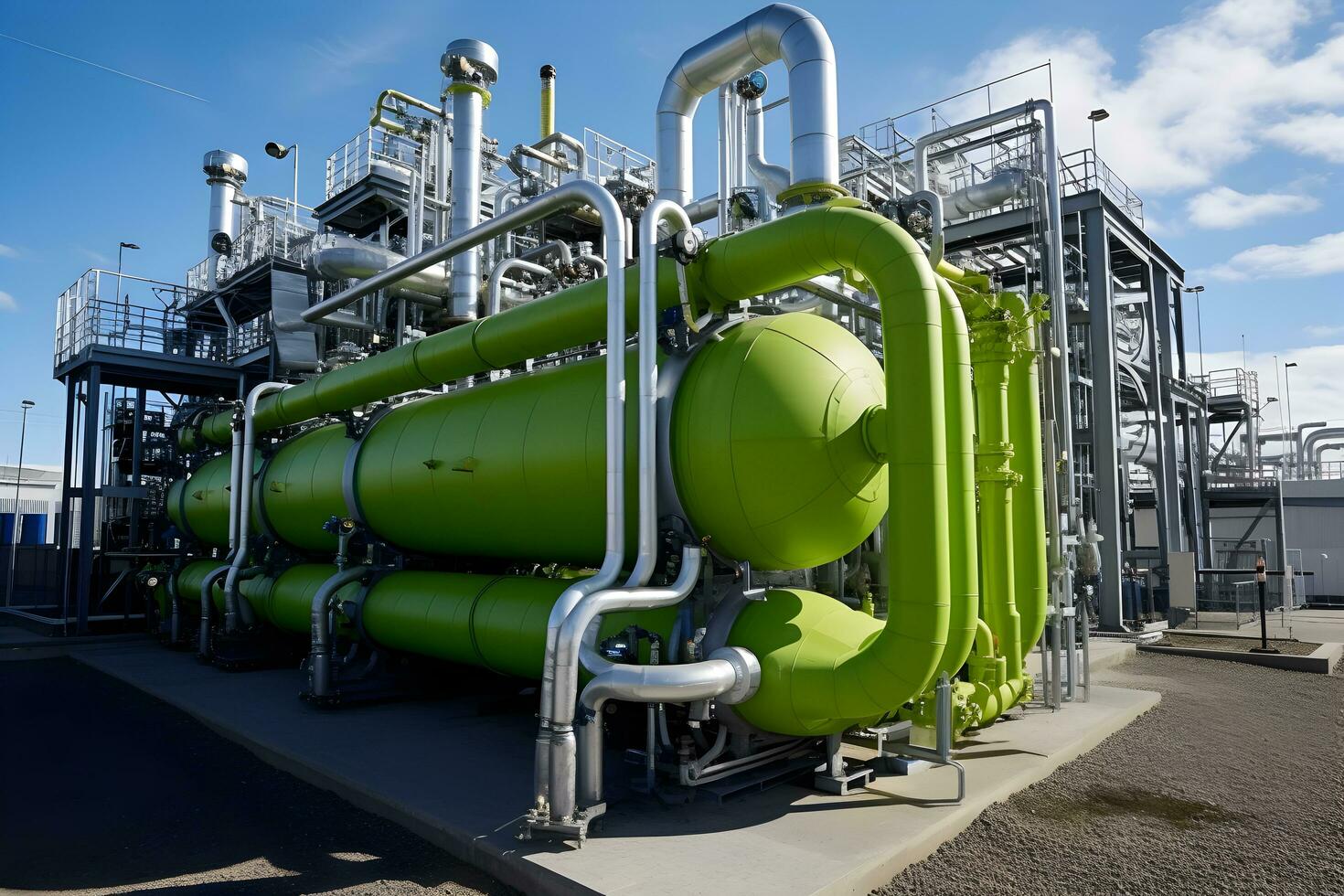
Ghana saved more than three billion cedis in fuel costs during the first half of 2026 by switching power plants from light crude oil to natural gas, Finance Minister Dr Cassiel Ato Forson has said, as the government pushes a plan to make gas the main fuel for electricity generation.
Presenting the 2026 Mid-Year Budget Review, Dr Forson said the savings, equal to about US$268.5 million, came from replacing costlier crude with gas under the government's Gas-to-Power Strategy.
The switch matters now because Ghana's power sector has long depended on imported crude to run thermal plants when gas supply falls short, a costly option that pushes up electricity tariffs paid by households and businesses.
How more gas cuts the cost of light
Gas supply for power generation rose by 35 million standard cubic feet per day by the end of June, taking total supply to about 490 million standard cubic feet daily. Of the new volume, 10 million came from the Offshore Cape Three Points partners led by Eni, and 25 million from N-Gas.
Dr Forson said the strategy is designed to cut electricity generation costs by at least 75 percent once gas fully replaces crude oil as the main fuel source. This figure gives weight to the government's plan to build a 1,200-megawatt gas-fired power plant at Kafodzidzi-Abrobeano in the Komenda-Edina-Eguafo-Abrem area, with its first 600-megawatt phase billed for 2028.
Gas turbines for that plant have already been bought directly from GE Vernova, cutting procurement costs by 35 to 45 percent compared with buying through third parties. The minister said the project alone could lower electricity tariffs by 10 to 20 percent and create over 2,000 jobs in its first phase.
Why gas output needs to climb further
None of this works without enough gas flowing from Ghana's oilfields. Dr Forson told Parliament that gas production had risen from 245 million to about 282 million standard cubic feet per day, and a new agreement with the OCTP partners will push output further, to 350 million standard cubic feet daily.
This gas boost sits alongside a wider effort to reverse falling crude output, which dropped from 71.4 million barrels in 2019 to about 36 million barrels in 2025. Investor-friendly reforms have since drawn in more than US$3.5 billion in new upstream commitments from the Jubilee and OCTP partners, lifting Jubilee Field output from a projected 68,000 barrels per day to about 95,000, while the Sankofa Field now produces around 28,000 barrels daily.
To turn more of that gas into fuel for homes and industry, government and private investors are building a 100 million standard cubic feet per day modular gas processing facility.
Land for the project has been secured, and engineering design, environmental checks and financial due diligence are underway, with financial close targeted before the year ends.
Dr Forson said the facility alone could create nearly 1,000 jobs and generate about US$2 billion in state benefits over five years through fuel savings, tax revenue and dividends.
Alongside the gas push, the government paid GH¢7.1 billion into the energy sector to keep electricity supply stable, and GH¢5.3 billion to clear old government arrears, bringing total sector support to GH¢12.4 billion for the half year.
Dr Forson said updated laws for the upstream petroleum sector, aimed at drawing in more investors, will reach Parliament before the end of the year.
Related Stories
Sign up for our newsletter.
Get the latest news, expert analysis, and industry insights delivered straight to your inbox. Join thousands of professionals shaping the future of energy.
By submitting my information, I agree to the Privacy Policy and Terms of Service.