Power |Oil & Gas
Egypt Revives Mediterranean Well to Secure Gas Before Summer Demand Peak
Egypt aims to obtain more gas from an old Mediterranean well without new drilling, giving the national grid extra fuel cover as summer electricity demand climbs.
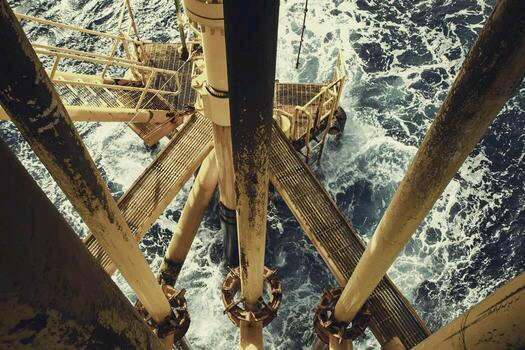
Egypt is bringing a reworked Mediterranean gas well just as the country heads into its months of heaviest electricity use, a timing that shows how the government is trying to guard against power shortages before they start.
The Petroleum Ministry said the North Fayoum-4 well, restored with British Petroleum (BP), will add close to 80 million cubic feet of gas a day to the national supply.
Gas fuels most of Egypt's power stations, so extra output now lands at the point in the year when air conditioners and fans push electricity use to its highest levels and when any shortfall in fuel supply can quickly turn into blackouts.
Egypt has faced power cuts in past summers when gas supply could not keep pace with demand from homes and factories running cooling equipment through the heat.
Those cuts hurt households and businesses alike, and the government has since worked to avoid a repeat. Adding gas from a well that was already connected to existing pipelines and processing facilities means the fuel can reach power stations faster than gas from an entirely new field, which can take years to develop. That speed matters when the goal is to have more fuel ready before demand climbs, not after shortages appear.
Old infrastructure, new supply, less risk
Engineers are said to have reached the extra gas by using a sidetrack method, redirecting the well underground into fresh reservoirs more than 3,000 metres down instead of drilling a new well from the surface. This meant the well could restart production without months of fresh construction, cutting the wait time between the decision to act and the fuel reaching the grid.
Egypt's own gas fields have also aged in recent years. The Zohr field in the Mediterranean, once the country's largest source of gas, has produced less than it did at its peak as pressure inside the reservoir has dropped.
That decline has left the country more open to supply gaps precisely when demand is highest, since the same infrastructure now yields less fuel than before. Reworking wells like North Fayoum-4 to draw from new reservoirs is one way the ministry is trying to close that gap without waiting on new discoveries to come online.
Fuel security in Egypt is not only about avoiding blackouts. When domestic gas falls short, the government must import fuel or shift power generation to other sources, both of which cost money and take time to arrange. A well that adds supply through existing pipelines removes some of that pressure and gives grid operators more room to plan ahead of the hottest months.
The ministry said its teams handled the technical challenges of restarting the well while meeting safety and efficiency standards, work that had to happen before any of this gas could reach a power station.
Related Stories

Sign up for our newsletter.
Get the latest news, expert analysis, and industry insights delivered straight to your inbox. Join thousands of professionals shaping the future of energy.
By submitting my information, I agree to the Privacy Policy and Terms of Service.