Power
DR Congo Expands Power Supply with Kakobola Hydropower Plant
The Kakobola hydropower plant adds new capacity to the grid in Democratic Republic of the Congo, improving electricity access in Kwilu province and supporting essential services and local industry.
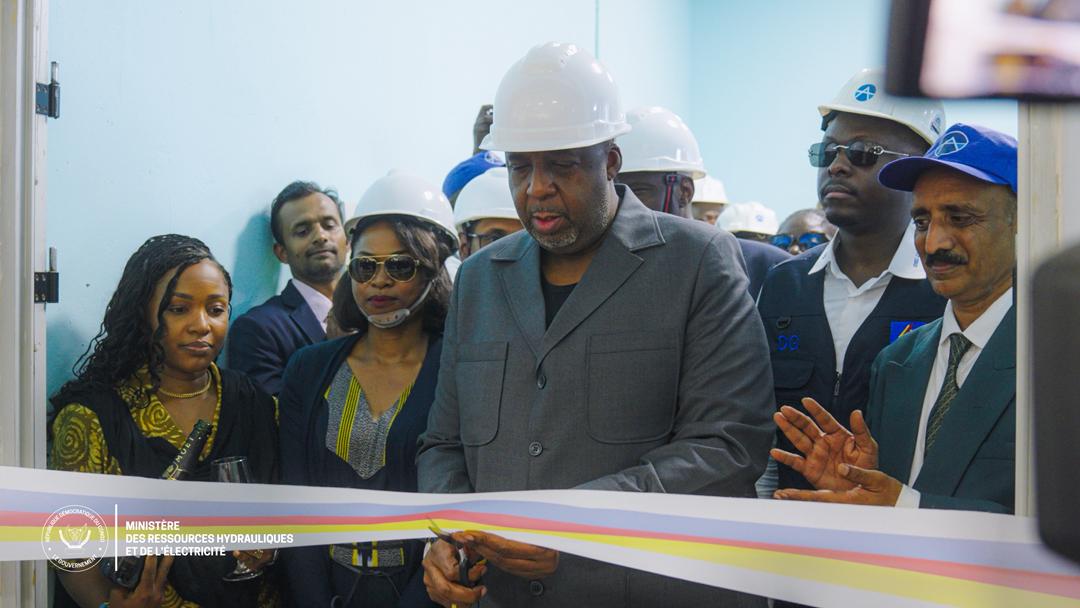
The government of the Democratic Republic of the Congo has inaugurated the Kakobola hydropower plant in Kwilu province as part of efforts to expand electricity access and strengthen the country’s energy supply.
The project, launched on March 23 in Gungu territory, has an installed capacity of 10.5 megawatts and uses run-of-river hydropower technology. It integrates generation, transmission and distribution systems, with transmission lines connecting the plant to Kikwit, Gungu, Idiofa and nearby communities.
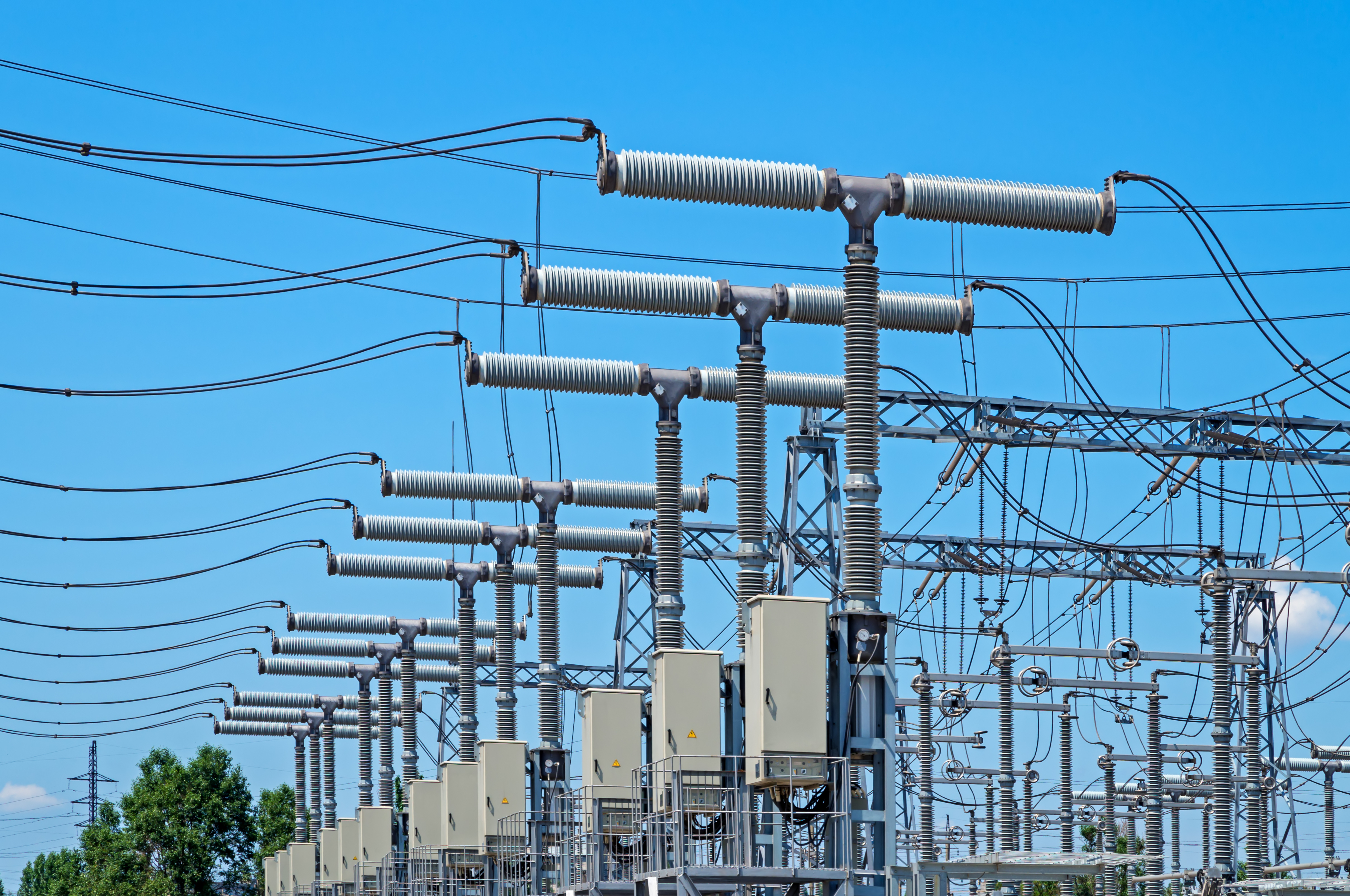
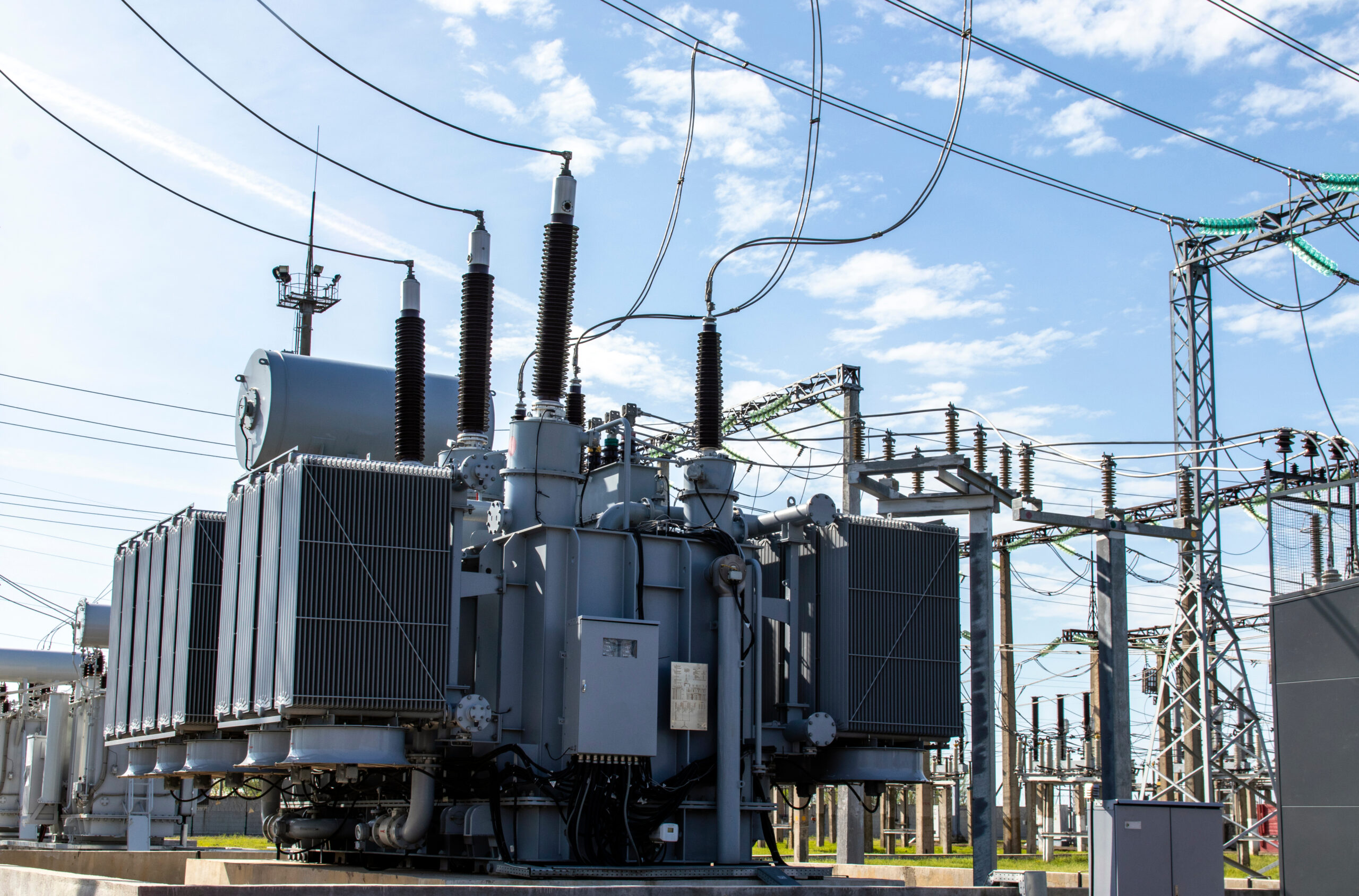
According to a statement for the country's Ministry of Water Resources and Electricity, the plant will provide electricity to more than 400,000 people, while supporting small businesses, public services and economic activity in the region. The infrastructure includes substations and distribution networks designed to deliver power to households, healthcare facilities and schools.
The project forms part of a broader government strategy to position the energy sector as a driver of economic and social development, with a focus on improving national electricity access.
Despite its vast energy resources, the country continues to face significant structural challenges. The national regulator estimates hydropower potential at more than 100 gigawatts, but only about 3.2 per cent of that capacity is currently utilised.
Limited generation capacity, gaps in regulatory frameworks and low access rates remain key constraints. However, authorities are increasing investment in renewable energy sources, including hydropower, solar, wind and biomass, to diversify the energy mix.
Recent data show progress in electricity access, with connected households rising to 1.7 million in 2024 from 1.2 million in 2023. The electrification rate also increased to 10.3 per cent from 7.4 per cent over the same period.
Related Stories
Sign up for our newsletter.
Get the latest news, expert analysis, and industry insights delivered straight to your inbox. Join thousands of professionals shaping the future of energy.
By submitting my information, I agree to the Privacy Policy and Terms of Service.