Power
Ethiopia Updates Electrification Roadmap to Achieve Universal Access
The revised electrification strategy aims to combine grid expansion, off-grid solutions and private investment to close Ethiopia's electricity access gap and support long-term economic growth.
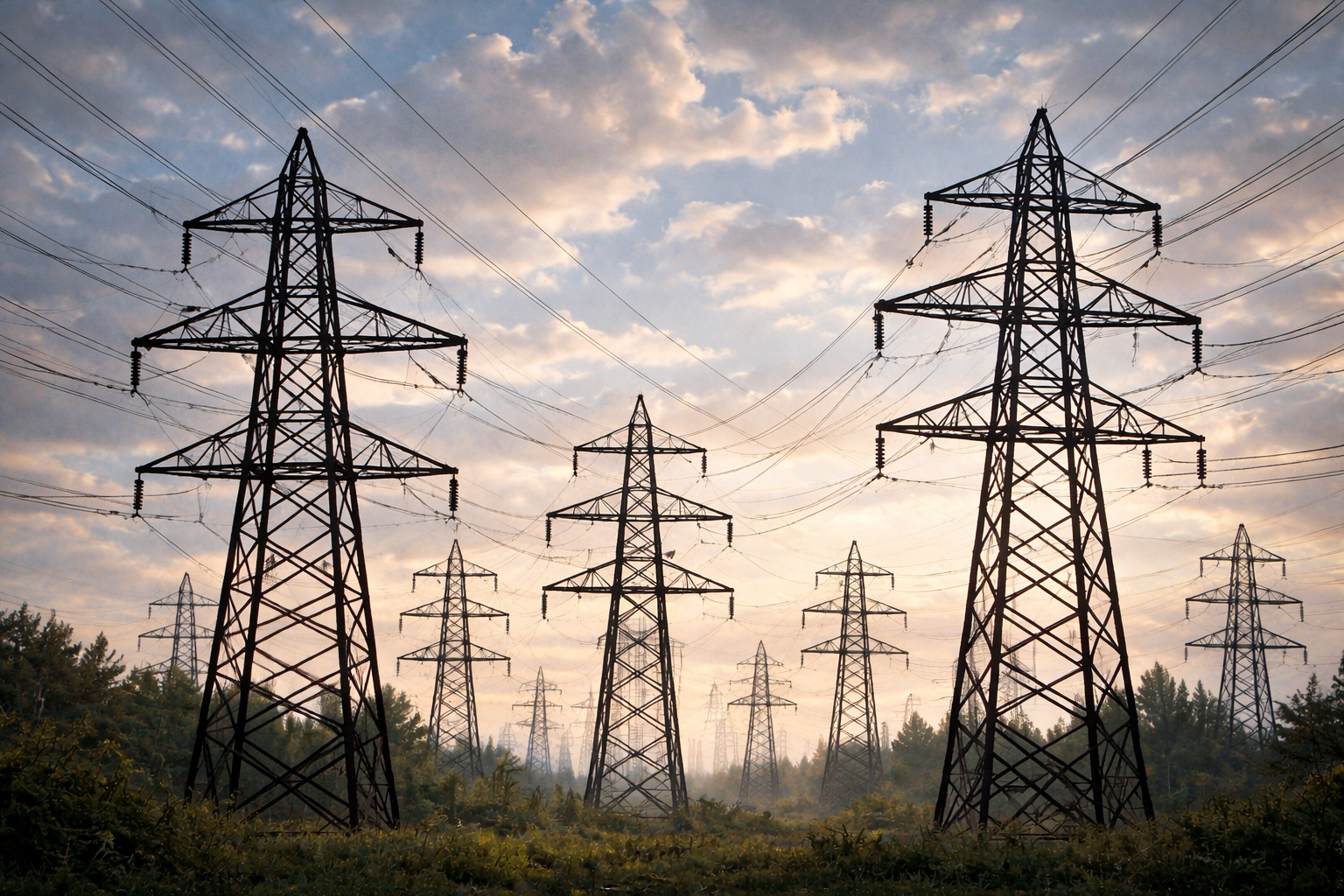
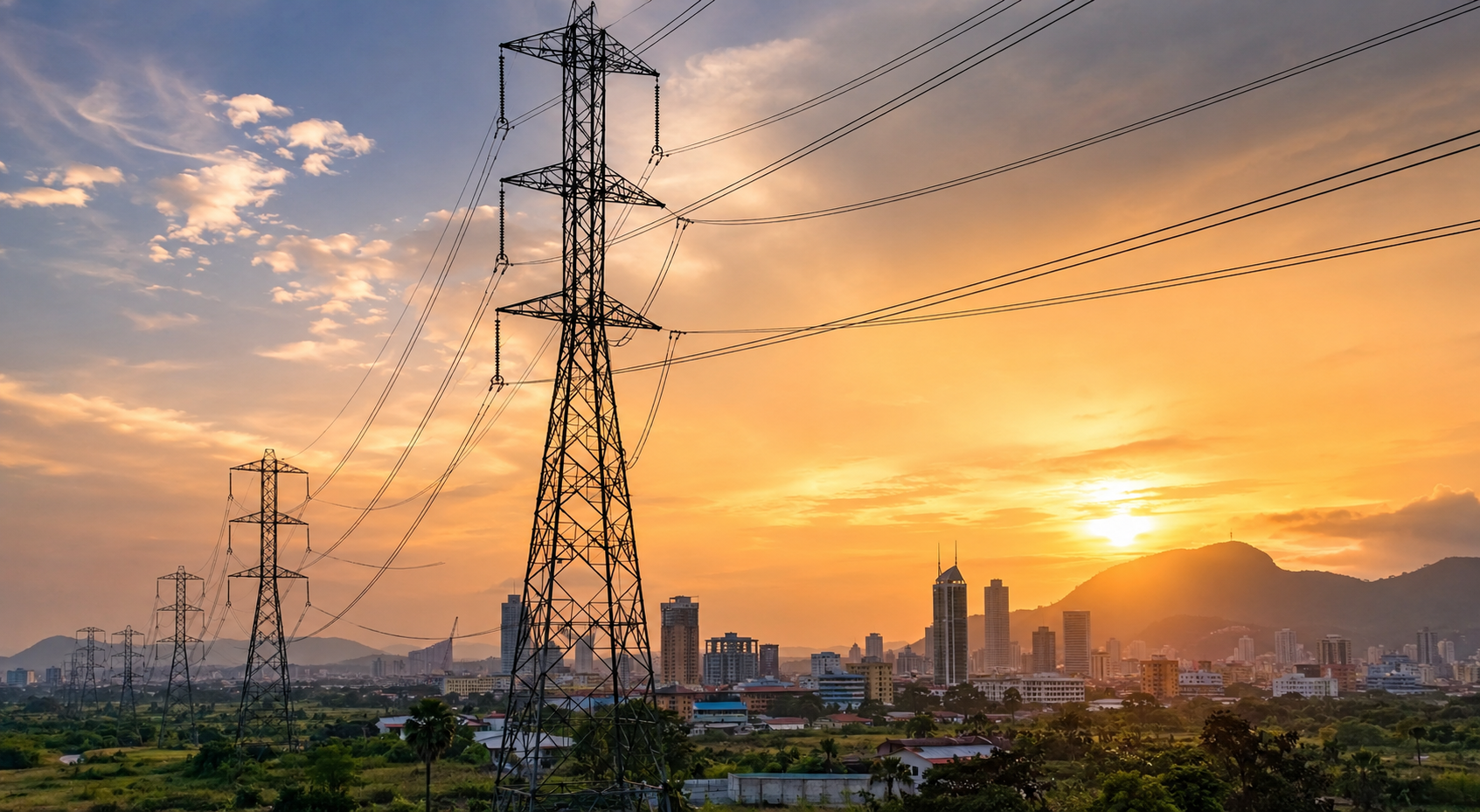
Ethiopia has advanced work on a new national electrification strategy aimed at achieving universal access to electricity by 2035, as the government seeks to accelerate grid expansion, scale up off-grid renewable energy systems and attract greater private sector investment.
Government officials, development partners, private investors and international organisations met in Addis Ababa on Monday to review the implementation framework for the National Electrification Program (NEP 3.0), the country's latest roadmap for expanding reliable, affordable and sustainable electricity access.
The consultation, organised by the Ministry of Water and Energy (MoWE), focused on aligning investment priorities, institutional reforms and implementation strategies needed to bridge Ethiopia's remaining electricity access gap.
Opening the meeting, State Minister for Water and Energy, Sultan Welle, described NEP 3.0 as the country's blueprint for delivering universal electricity access, saying reliable power is essential for economic transformation, industrial development and improved living standards.
"Reliable, affordable and sustainable electricity is not merely an infrastructure objective. It is the foundation for economic transformation, improved livelihoods and inclusive social development," he said.
The minister noted that previous phases of the National Electrification Program had expanded electricity access, strengthened institutional capacity and mobilised investment, adding that the updated strategy seeks to build on those gains while creating greater opportunities for private sector participation.
Strategy combines grid expansion with off-grid solutions
According to the ministry, NEP 3.0 will use geospatial least-cost planning to determine the most efficient mix of national grid extension, mini-grids and standalone renewable energy systems for communities across the country.
The strategy also prioritises demand forecasting, investment planning and the identification of high-impact electrification projects while seeking to improve financial sustainability, reduce technical and commercial losses and strengthen coordination among electricity sector institutions.
The meeting brought together representatives of the World Bank, Ethiopian Electric Power (EEP), Ethiopian Electric Utility (EEU), government agencies, development partners and non-governmental organisations involved in Ethiopia's energy sector.
The revised roadmap follows World Bank estimates showing that about 65 per cent of Ethiopians had access to electricity in 2025, although access remains significantly lower in rural areas than in urban centres.
Ethiopia has expanded electricity infrastructure over the past two decades through investments in hydropower, geothermal, wind and solar projects, alongside regional power interconnections. Despite this progress, roughly 35 per cent of households still lack electricity.
The government said NEP 3.0 seeks to close that gap by combining public investment with private capital and international development financing, positioning reliable electricity as a key driver of industrialisation, improved public services, rural development and long-term economic growth.
Related Stories
Sign up for our newsletter.
Get the latest news, expert analysis, and industry insights delivered straight to your inbox. Join thousands of professionals shaping the future of energy.
By submitting my information, I agree to the Privacy Policy and Terms of Service.