Power
Nigeria Tops Global List as Africa's Power Access Gap Widens
Sub-Saharan Africa now accounts for most of the world's power access challenge.
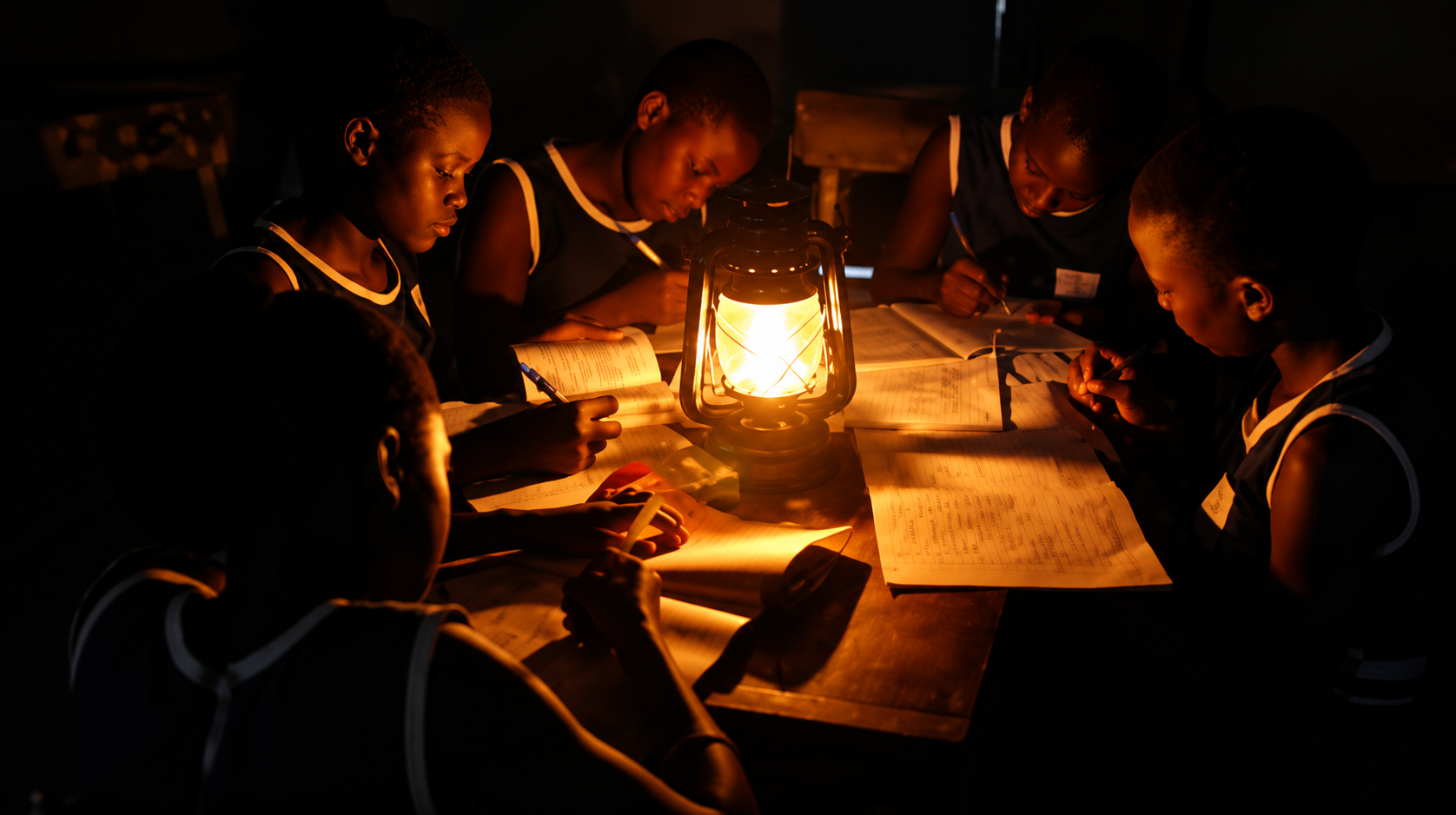
Nigeria has again recorded the highest number of people without electricity in the world, as a new global report shows that sub-Saharan Africa is home to most of the people still living without power.
The Tracking SDG7: The Energy Progress Report 2026, published by the International Energy Agency and the World Bank, said 87.2 million Nigerians did not have access to electricity in 2024.
The report also found that sub-Saharan Africa accounted for 563 million of the 655 million people worldwide who lacked electricity last year.
Nigeria still leads the global power access gap
The report said Nigeria has held the top position for four straight years. It placed the Democratic Republic of the Congo second with 84.7 million people without electricity, while Ethiopia came third with 57.3 million.
The findings show that the electricity challenge in Africa is becoming more concentrated in sub-Saharan Africa. The region's share of the global electricity access gap rose from 49 per cent in 2010 to 86 per cent in 2024.
Even though governments and development partners have expanded electricity projects, the number of people without power has changed very little. The report said the figure dropped only from 565 million in 2010 to 563 million in 2024.
Population growth continues to slow progress
The report explained that electricity connections are increasing, but not fast enough to keep up with population growth.
Between 2022 and 2024, about 42 million new electricity connections were made each year in sub-Saharan Africa. During the same period, the region's population increased by about 38 million people every year. This meant only about four million fewer people were left without electricity each year.
Progress also differed from one part of the continent to another. East Africa reduced the number of people without electricity by 35 million between 2010 and 2024. The report linked this to wider electricity networks and the use of mini-grids and off-grid solar systems in countries such as Rwanda and Kenya.
In Central Africa, the number of people without electricity increased by 34 million during the same period.
The report also pointed to funding challenges. It said most global energy finance in 2024 came through debt, which made up about 80 per cent of total funding. Equity investment, which helps new and riskier energy projects get started, accounted for only two per cent.
It said this creates problems for rural communities where extending the national grid is costly. In such places, mini-grids and off-grid solar systems are often the quickest way to provide electricity.
The report noted that Mission 300, supported by the World Bank and the African Development Bank, has already connected more than 50 million people to electricity. The programme aims to provide electricity to 300 million people by 2030.
It warned that the electricity access gap will continue unless new connections increase much faster than population growth and more investment is directed to projects that can reach communities without power.
Related Stories
Sign up for our newsletter.
Get the latest news, expert analysis, and industry insights delivered straight to your inbox. Join thousands of professionals shaping the future of energy.
By submitting my information, I agree to the Privacy Policy and Terms of Service.