Power
Weak Power Grids Threaten Africa's Electricity Expansion Despite New Investments
Africa is expanding power generation and regional electricity trade, but slow reforms and financing gaps could limit the benefits unless grid investment keeps pace.
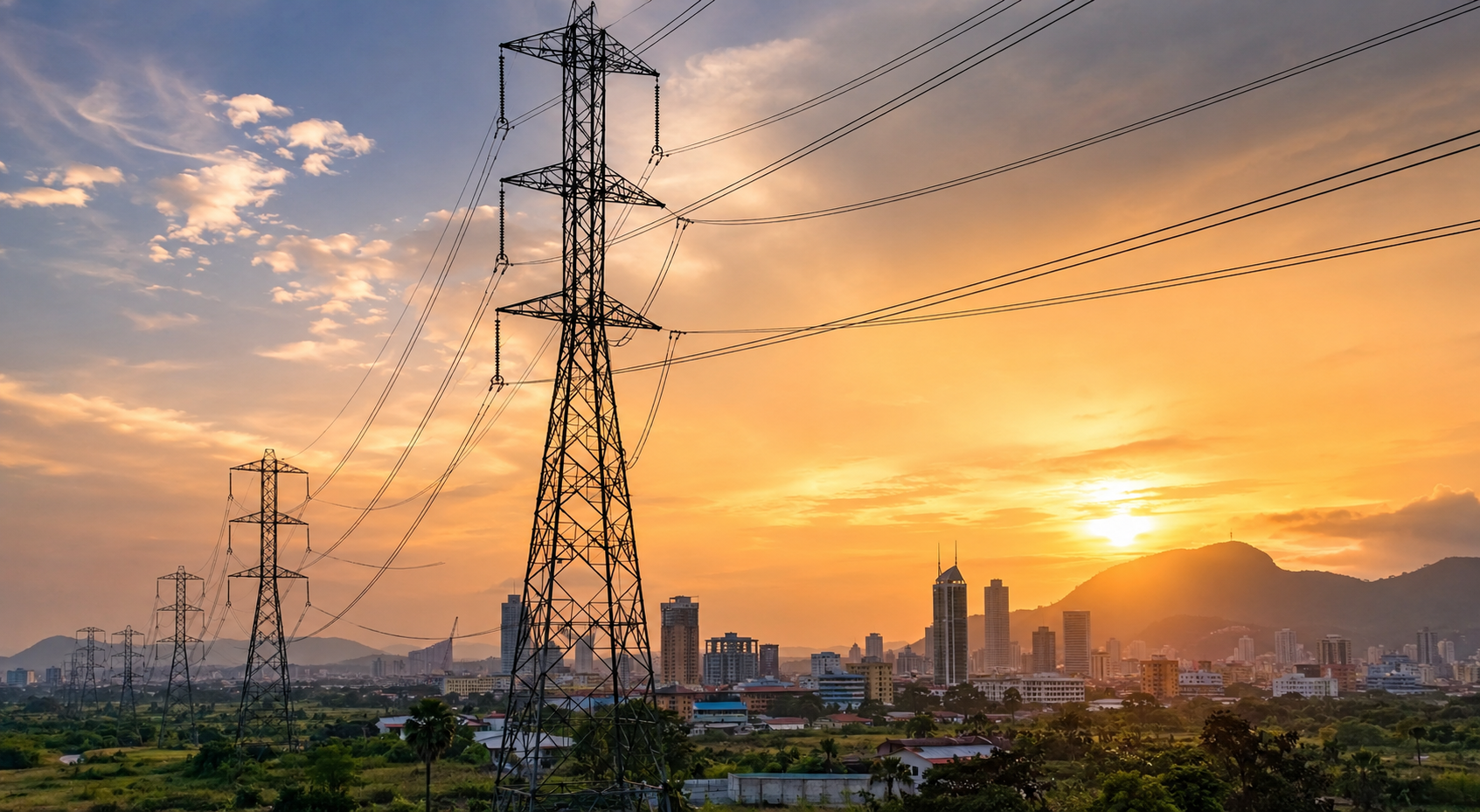
Africa is building more power plants and opening electricity markets to private investment, but weak transmission networks are becoming one of the biggest obstacles to reliable electricity. The continent, according to experts, risks producing more electricity than its grids can safely move unless major investments are made in transmission lines, substations and cross-border connections.
Grid investment is failing to match new power supply
Africa's electricity sector is entering a period of major change. Governments, investors and development partners are putting more money into renewable energy, natural gas projects and hybrid power systems to meet rising demand from homes, businesses and industries. Population growth, urban expansion and industrial development are expected to push electricity consumption much higher over the coming decades.
The continent's electricity demand is projected to rise to about 2,291 terawatt-hours by 2050. Meeting that demand will require not only new power stations but also strong transmission networks that can transport electricity over long distances and distribute it safely to consumers.
Industry estimates show that about 30 billion dollars will be needed to expand and modernise transmission infrastructure that links power generation with electricity users.
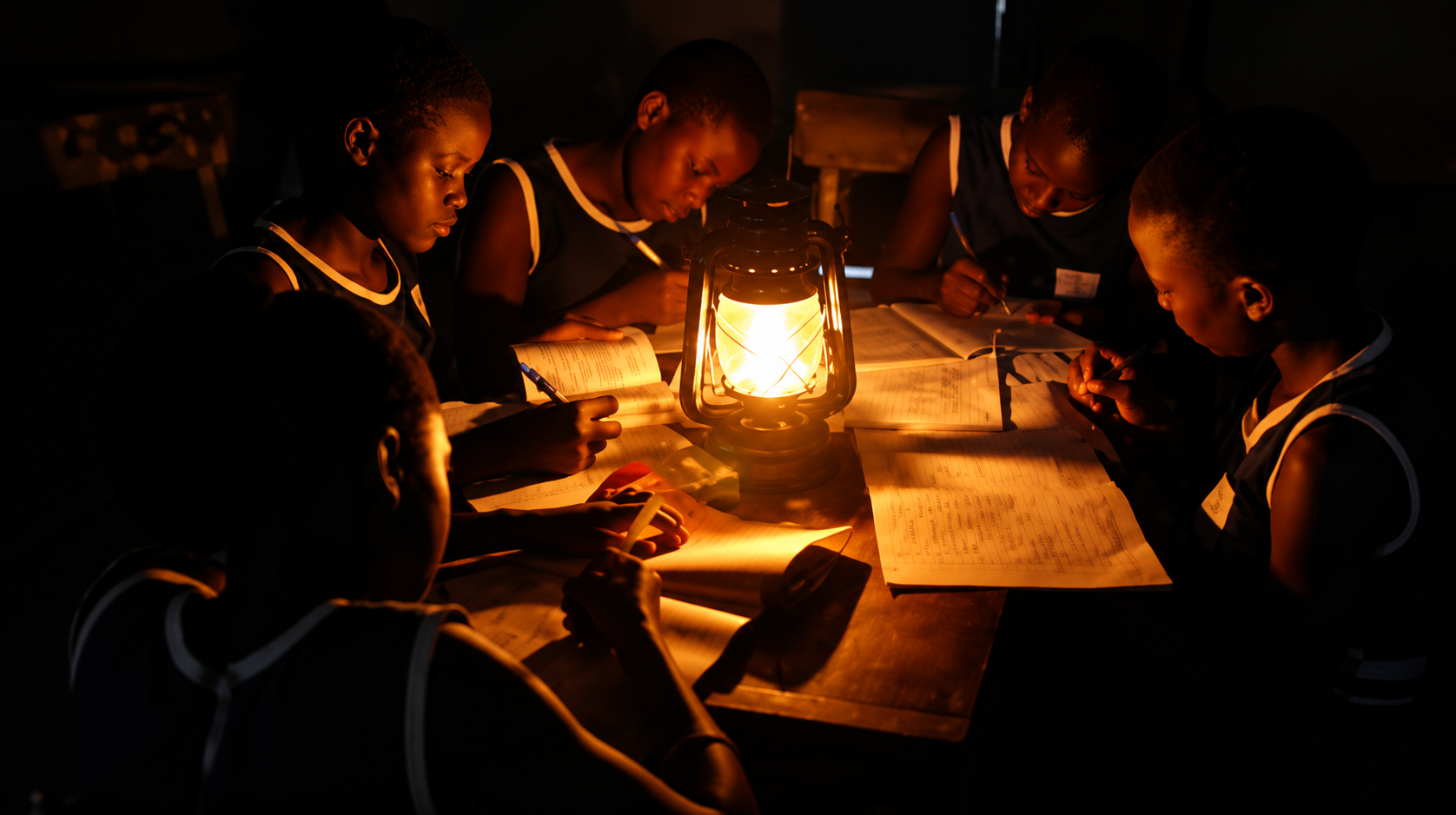
Transmission networks play a central role in every electricity system. Even when enough electricity is generated, weak grids can prevent power from reaching homes, factories and commercial centres. Old equipment, overloaded lines and limited interconnection between countries can lead to outages, wasted electricity and higher operating costs.
The challenge is visible in several parts of Africa. Nigeria has experienced repeated nationwide grid collapses, including incidents reported in February 2026, showing the pressure on ageing transmission infrastructure. In Kenya, failures on the 428-kilometre Loiyangalani-Suswa transmission line temporarily interrupted the evacuation of electricity from the Lake Turkana Wind Power project, Africa's largest wind farm. North African countries are also preparing for much higher electricity demand as urban development, desalination projects and rising temperatures increase power consumption.
Regional electricity trade depends on stronger networks
Many African countries believe regional electricity trading can improve supply reliability, lower costs and make better use of available generation capacity. Power pools allow countries with surplus electricity to export power to neighbours facing shortages, reducing the need for each country to build excess generation capacity on its own.
Progress is being made, although not every region is moving at the same pace. The World Bank-backed RETRADE Southern African Power Pool programme is supporting renewable energy integration and transmission improvements in 12 member countries. The Ethiopia-Kenya-Tanzania Electricity Highway has entered trial operations with capacity of up to 2,000 megawatts, creating another important link between national grids. In West Africa, permanent synchronisation of the West Africa Power Pool is expected in 2026, while plans are also advancing to connect the Eastern and Southern African power pools into one of the world's largest cross-border electricity trading systems.
Several countries are also changing electricity market rules to attract private investment. Zimbabwe opened generation, transmission and distribution to private participation in 2025 as part of plans to attract about nine billion dollars in investment. South Africa is pursuing an extensive transmission expansion programme that includes thousands of kilometres of new transmission lines and significant transformer capacity by 2034. Kenya has introduced open access rules that allow independent power producers to sell electricity directly to several customers through the national grid.
Even with these reforms, financing large transmission projects continues to be difficult. Investors often point to concerns about payment guarantees, weak electricity buyers and differences in regulations between countries. Organisations such as Africa GreenCo are working to reduce those risks by acting as creditworthy intermediaries for independent power producers and helping to standardise power purchase agreements.
Industry leaders argue that solving these financial and regulatory problems is just as important as constructing new transmission lines. The African Energy Chamber says interconnected electricity markets will support industrial development, but success will depend on regulations and financial structures that can attract long-term investment.
These issues will receive major attention at the Power Africa Today conference during African Energy Week 2026 in Cape Town. Policymakers, electricity utilities, investors and project developers are expected to discuss how stronger grids, improved market rules and sustainable financing can help Africa build an electricity system capable of supporting economic development and reliable cross-border power trade.
Related Stories
Sign up for our newsletter.
Get the latest news, expert analysis, and industry insights delivered straight to your inbox. Join thousands of professionals shaping the future of energy.
By submitting my information, I agree to the Privacy Policy and Terms of Service.