Renewables
MTN Nigeria, First WATT Partner to Deploy Solar, Battery Storage and EV Infrastructure
The partnership highlights growing private-sector efforts to use renewable energy and storage technologies to address Nigeria’s persistent electricity challenges.
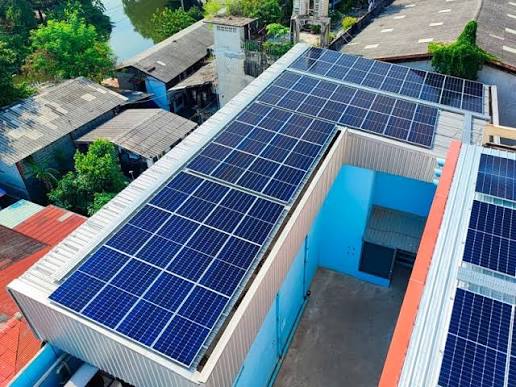
MTN Nigeria is accelerating its transition to cleaner energy after partnering with First WATT Renewable Limited to deploy large-scale solar power, battery storage and electric vehicle charging infrastructure across key operational sites nationwide.
The collaboration is designed to reduce the telecommunications giant’s reliance on diesel generators while strengthening energy resilience at critical facilities that support Nigeria’s growing digital economy.
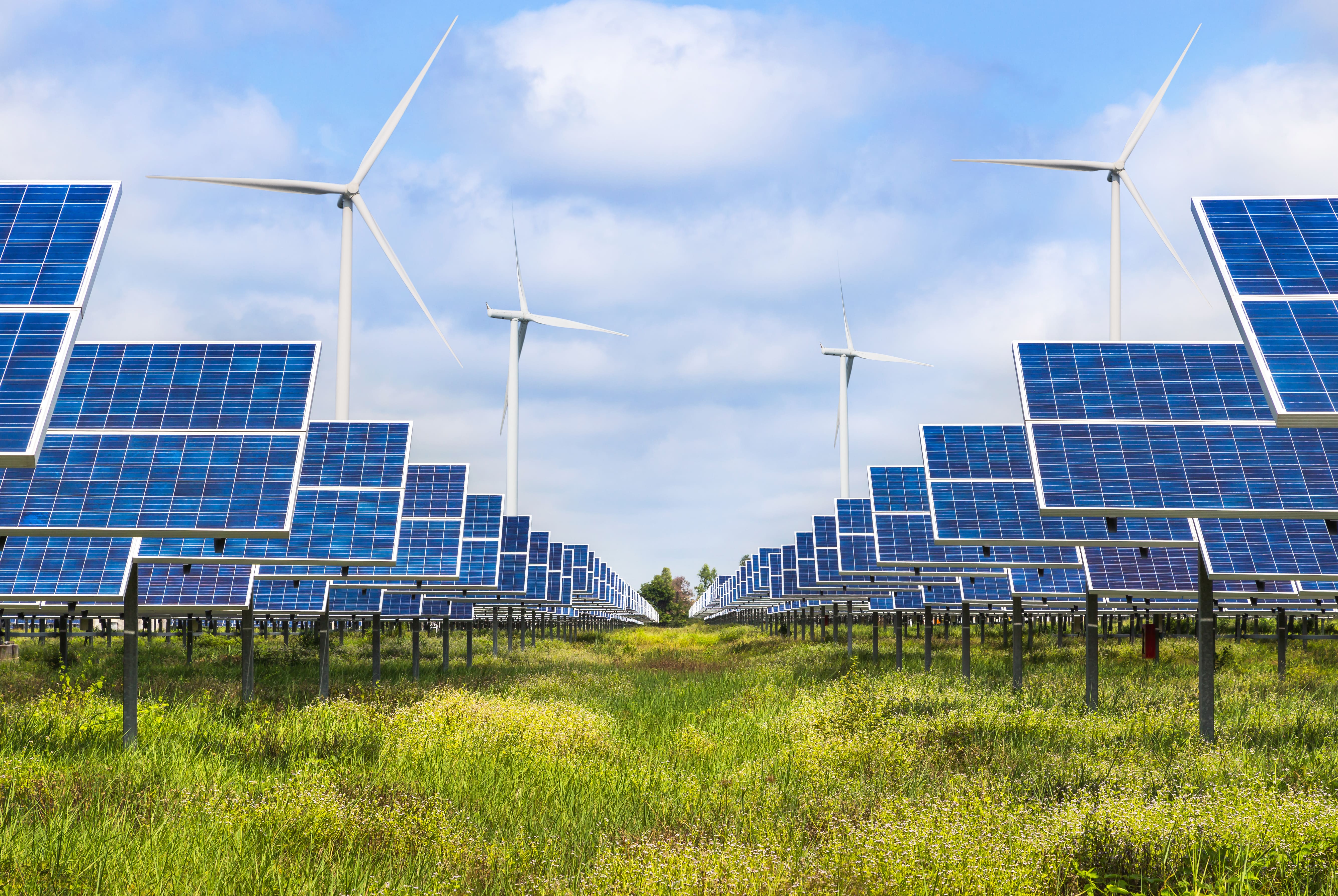
Under the agreement, First WATT will deploy an estimated 34 megawatts-peak (MWp) of solar photovoltaic capacity alongside 40 megawatt-hours (MWh) of battery energy storage systems across selected MTN assets, including data centres, switching facilities, cable landing stations and customer service centres.
The project will operate under an Energy-as-a-Service model, providing renewable power solutions that enhance operational reliability while lowering emissions and energy costs.
In addition to powering telecommunications infrastructure, the partnership will also support the rollout of renewable-powered 60-kilowatt electric vehicle charging stations at eight MTN locations across Ikoyi, Matori, Ojota, Abuja, Port Harcourt, Asaba, Kano and Ibadan.
The initiative reflects the growing convergence between digital infrastructure and clean energy as businesses seek more sustainable and resilient power solutions in response to Nigeria’s persistent electricity challenges.
Based on current projections, the programme could prevent approximately 25,000 tonnes of carbon dioxide equivalent emissions over five years, contributing to MTN’s broader sustainability objectives under its Project Zero initiative.
First WATT Chief Executive Officer, Oluwole Eweje, said the partnership demonstrates how renewable energy can improve reliability for mission-critical infrastructure while supporting the expansion of electric mobility through cleaner power supply.
MTN Nigeria’s Chief Corporate Services and Sustainability Officer, Tobechukwu Okigbo, described the collaboration as part of the company’s strategy to reduce diesel dependence, improve operational efficiency and increase the share of renewable energy across its network.
The renewable energy deployment comes as telecom companies across Nigeria face rising energy costs and persistent challenges with grid reliability. According to the Africa Finance Corporation’s State of Africa’s Infrastructure Report 2025, telecom operators in Nigeria consume more than 40 million litres of diesel each month, costing the industry over $350 million annually as companies rely on generators to maintain network availability.
Heavy dependence on diesel has increased operating expenses and exposed operators to fuel price volatility. Telecom operators, in addressing these pressures, are expanding the use of solar power, battery storage and hybrid energy systems to reduce generator dependence, improve network reliability and cut emissions.
The shift towards renewable-powered telecom infrastructure is gaining momentum across Africa, where operators are seeking alternatives to expensive diesel generation while maintaining uninterrupted connectivity in markets with limited access to reliable grid electricity.
Related Stories

Sign up for our newsletter.
Get the latest news, expert analysis, and industry insights delivered straight to your inbox. Join thousands of professionals shaping the future of energy.
By submitting my information, I agree to the Privacy Policy and Terms of Service.