Oil & Gas
Gambia Raises August Fuel Prices as Global Costs Climb
The Gambia raises August 2026 petrol, diesel and kerosene prices as global refined fuel costs climb, increasing pressure on transport and household budgets.
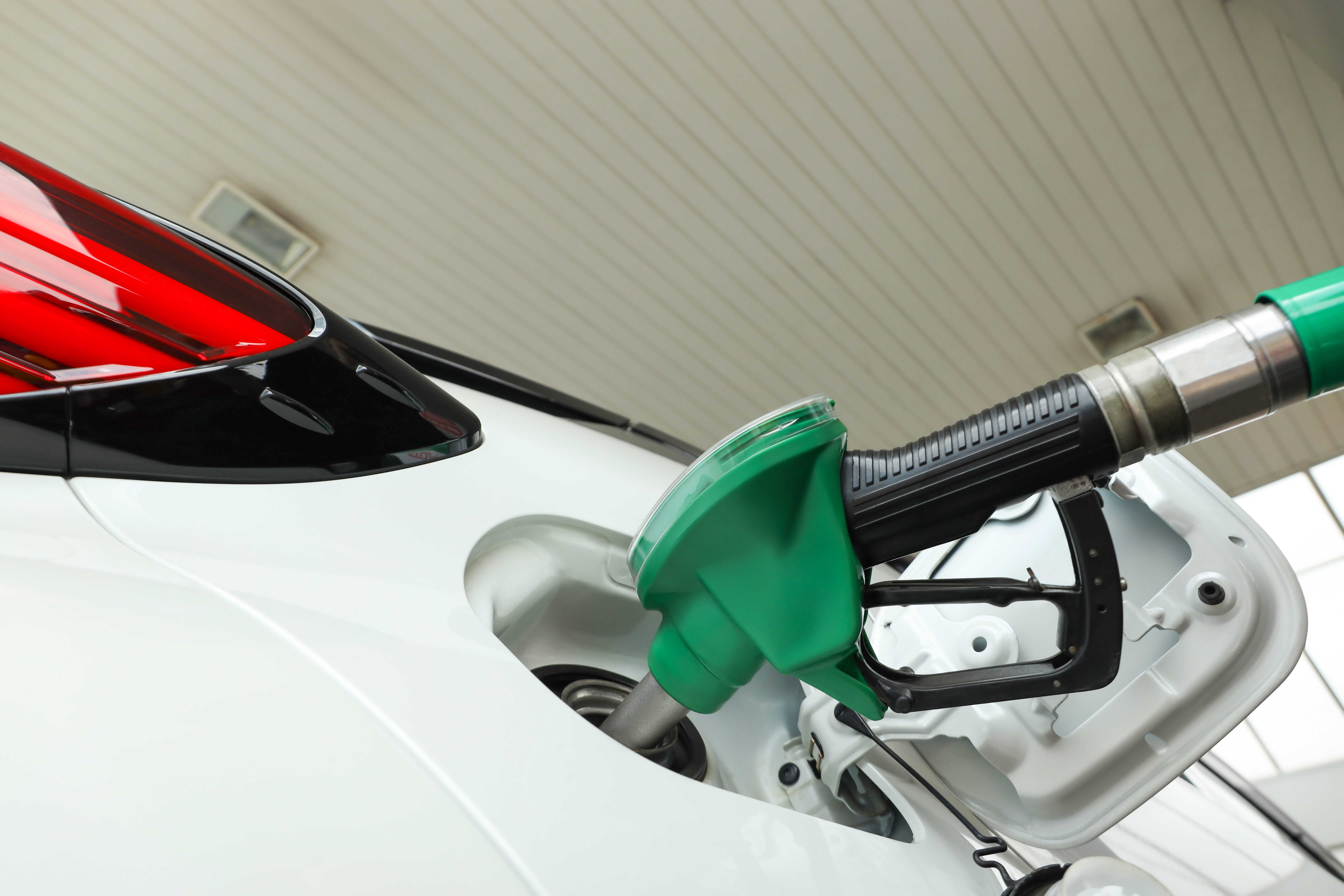
The Gambia has increased retail prices for petrol, diesel and kerosene for August 2026, raising the cost of fuel for motorists and potentially putting further pressure on transport fares, household expenses and the prices of goods and services.
The new pump prices took effect immediately after the Ministry of Petroleum, Energy and Mines announced the adjustment on 1 August, citing higher international reference prices for refined petroleum products during the latest pricing cycle.
Under the new rates, petrol, also known as Premium Motor Spirit (PMS), now sells for D104.18 per litre, while diesel, or Automotive Gas Oil (AGO), is priced at D116.63 per litre. Kerosene now costs D99.62 per litre.
The increase comes as households and businesses contend with elevated living costs, making the adjustment significant beyond the filling station. Higher petrol prices could increase transport costs, while the rise in diesel prices may affect the cost of moving goods and operating businesses that depend on diesel-powered equipment and vehicles.
Global fuel prices drive adjustment
The ministry said the latest increase was driven by movements in international refined petroleum product prices during the current monthly pricing cycle.
The Gambia reviews domestic fuel prices under its petroleum pricing framework, which takes into account international product prices, import costs, exchange rate movements, statutory taxes, levies and other components that determine the final pump price.
The government did not disclose the July 2026 pump prices in its latest announcement, making it difficult to establish the exact month-on-month increase for each product.
The pricing mechanism is designed to allow domestic fuel prices to respond to changes in the international market and other costs associated with importing petroleum products into the country.
The ministry added that it would continue monitoring developments in the global oil market and adjust pump prices when necessary in line with the established pricing framework.
"The Ministry assures the public that it will continue to closely monitor developments in the international oil market and will undertake future pump price adjustments, where necessary, following the established pricing mechanism," the statement partly reads.
The increase is likely to be felt across the wider economy as fuel costs feed into transportation and logistics expenses. Petrol affects the cost of private and commercial transport, while diesel is widely used for freight movement and other commercial activities.
On its significance for consumers already facing higher living costs, the impact could extend beyond the pump as increased transportation and distribution expenses are passed through to food, manufactured goods and other essential services.
The August adjustment draws attention to The Gambia's exposure to international petroleum market movements, with domestic consumers bearing the impact of higher import and fuel costs through the government's monthly pricing mechanism.
Related Stories
Sign up for our newsletter.
Get the latest news, expert analysis, and industry insights delivered straight to your inbox. Join thousands of professionals shaping the future of energy.
By submitting my information, I agree to the Privacy Policy and Terms of Service.