Oil & Gas
NLNG Stops Cooking Gas Exports, Sends Entire Supply to Nigeria
NLNG has ended cooking gas exports, dedicating its entire LPG output to Nigeria after record local supply reached 500,000 tonnes, meeting about one third of national demand and supporting cleaner cooking.
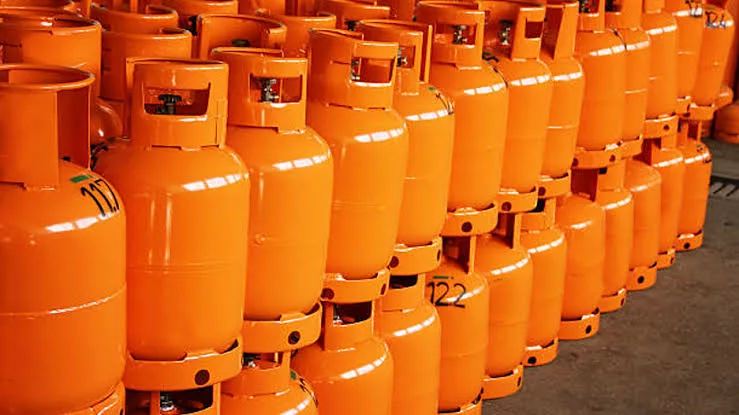
Nigeria LNG Limited has stopped exporting cooking gas and now supplies all of its liquefied petroleum gas production to the local market in a bid to improve access to cleaner cooking fuel.
The company's Managing Director and Chief Executive Officer, CB Adeleye Falade, announced the decision during his first media engagement, titled Presentation of NLNG Facts and Figures 2026.
He said NLNG supplied a record 500,000 tonnes of cooking gas to Nigerians last year, making up about one third of the country's demand.
The decision follows public concern over the health risks linked to the use of charcoal and other biomass for cooking.
NLNG said making more cooking gas available in Nigeria can help reduce indoor air pollution, deforestation and carbon emissions as the country expands the use of cleaner energy.
Domestic cooking gas supply reaches record level
Falade said the 500,000 tonnes supplied last year marked the highest annual volume delivered to the Nigerian market since NLNG began local LPG distribution in 2005 with about 70,000 tonnes.
He said the company now meets about 33 per cent of Nigeria's cooking gas demand after increasing domestic supply more than seven times over the years.
Falade explained that the decision to reserve all cooking gas production for Nigerians followed a newspaper report showing that thousands of women suffer health problems from cooking with charcoal and other biomass fuels.
"Last year was the highest volume we have ever supplied in a single year when we supplied 500,000 tonnes of LPG. Today, that's about 33 per cent of what the country demands," he said.
He also noted that increasing the availability of cooking gas helps reduce tree felling, lowers indoor air pollution and cuts carbon emissions.
Revenue, expansion plans and gas potential
Falade said NLNG has generated more than 150 billion dollars in revenue since operations began 37 years ago and has safely exported over 6,000 liquefied natural gas cargoes to customers in Europe, Asia, the Middle East and other parts of the world.
He said the company has paid over 47.2 billion dollars in dividends to shareholders, remitted more than 10 billion dollars in taxes to the Federal Government and built assets valued at about 23 billion dollars.
He explained that the company does not produce natural gas. Instead, it buys gas from upstream producers, removes impurities, liquefies it, transports it in specialised vessels and sells it to customers.
"We don't produce the gas. We buy gas, just like power companies buy gas. We process it, liquefy it, transport it and sell it across the world," he said.
Falade said NLNG currently operates six liquefaction trains with a production capacity of 22 million tonnes per year. He described the Bonny Island facility as the largest industrial complex in Sub Saharan Africa.
He also said the company operates 22 dedicated vessels, including 20 LNG carriers, one cooking gas vessel serving the domestic market and another vessel supporting operations.
On ownership, Falade said the Federal Government holds a 49 per cent stake in NLNG, making it the largest shareholder, while Shell, TotalEnergies and Eni own the remaining interests.
He said that after the company's pioneer tax status ended, NLNG became one of Nigeria's biggest taxpayers.
Apart from company income tax, it also pays petroleum related taxes, value added tax, employee Pay As You Earn deductions and other statutory levies.
He noted that about 60 per cent of payments made for gas purchases eventually flow back to the Federal Government through its equity interests in upstream producing companies.
Falade said NLNG has also been recognised as Nigeria's most tax compliant corporate organisation for five consecutive years.
He stated that NLNG has helped reduce gas flaring by creating a commercial market for associated gas that was previously burnt off.
Nigeria flared about 65 per cent of its associated gas when the company started operations. He said that figure is now below 20 per cent.
Falade identified the completion of Train 7 as the company's immediate priority. He also disclosed that preliminary discussions have started on possible Trains 8, 9 and 10.
He said Nigeria has about 209 trillion cubic feet of proven gas reserves, with another estimated 600 trillion cubic feet yet to be fully proven.
He noted that countries such as Australia and Malaysia have built larger LNG export capacity despite having smaller proven gas reserves.
Related Stories
Sign up for our newsletter.
Get the latest news, expert analysis, and industry insights delivered straight to your inbox. Join thousands of professionals shaping the future of energy.
By submitting my information, I agree to the Privacy Policy and Terms of Service.