Power
REA Launches Renewable Asset Firm to Attract Private Capital
The new platform is expected to help manage renewable power projects over the long term and recycle funds into new electricity projects.
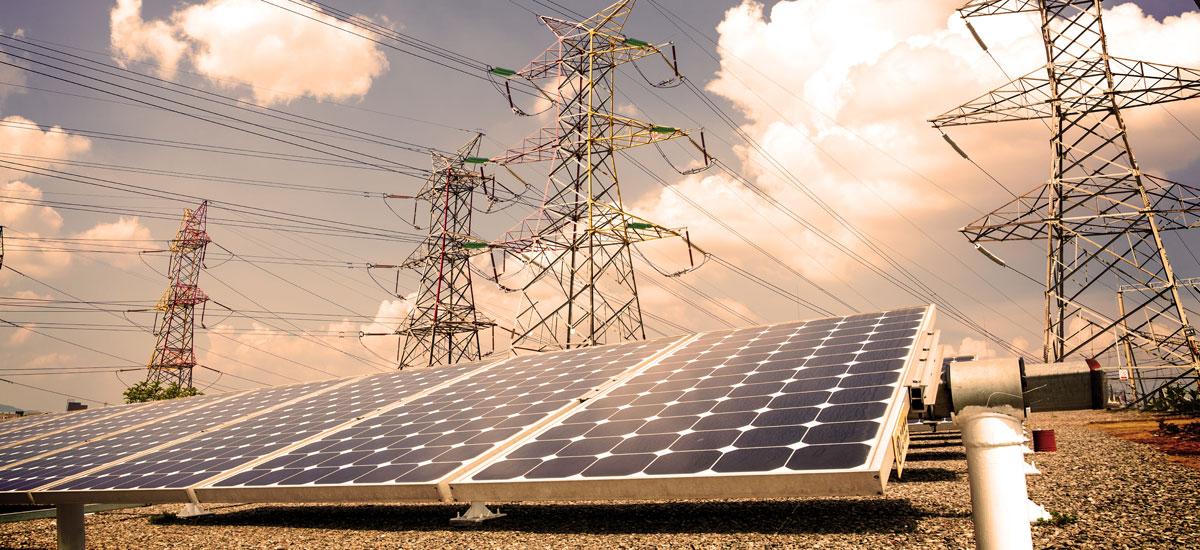
The Rural Electrification Agency (REA) will launch a new Renewable Asset Management Company, RAMCO, on Wednesday as Nigeria looks for ways to bring long-term private funding into renewable electricity projects.
The agency’s Managing Director, Dr Abba Aliyu, said RAMCO would provide a specialised platform to manage renewable energy assets, improve their performance and keep them financially sustainable over time.
Aliyu said Nigeria’s electricity infrastructure needs were too large for government funding alone, making private investment important to the expansion of electricity access.
He said RAMCO could help create a system in which money tied up in completed and mature renewable projects is refinanced and used again for new electricity projects, subject to proper commercial and regulatory arrangements.
“Build. Operate. Optimize. Aggregate. Refinance. Reinvest,” Aliyu said, outlining the model he believes RAMCO could support.
Under the proposed approach, capital first used to build renewable energy assets could later be released from mature projects and returned to the sector for new investments.
Aliyu said this could reduce reliance on government budgets, sovereign borrowing and development finance as Nigeria works to expand electricity access.
Keeping power assets productive
The REA chief said the company’s work would go far beyond financing new projects.
Solar panels, batteries, inverters and other renewable energy equipment have different lifespans and need regular maintenance, repairs and replacement.
For this reason, Aliyu said effective management of renewable power assets must cover equipment maintenance, revenue collection, customer demand, operator performance and the financial condition of projects.
He said the focus should not be limited to installing more renewable energy capacity.
Nigeria also needs systems capable of keeping existing electricity assets productive and attracting money for continued expansion, he said.
Aliyu pointed to Nigeria’s large population, solar resources, expanding renewable energy developer ecosystem and the Electricity Act 2023 as factors that create a significant opportunity for renewable energy investment.
However, he said the country now needed institutions capable of connecting renewable energy infrastructure with long-term private capital.
RAMCO, he said, was designed to help fill that gap through professional management and optimisation of renewable energy assets.
Measuring the company’s impact
Aliyu said the success of the new company should be judged by practical results.
Such results, he said, should include the number of renewable energy assets kept productive, the amount of private capital attracted and the number of distressed projects restored.
Another measure would be how much capital is recycled into new electrification projects.
He said a commercially disciplined and properly structured RAMCO could provide a bridge between public infrastructure and private investment.
The idea is to support a revolving financing system in which funds used for mature renewable projects can, where suitable arrangements exist, be released and used again.
Aliyu said this could help support the long-term sustainability of renewable electricity infrastructure.
He also said Nigeria’s renewable energy opportunity required more than the construction of new projects. The country must also be able to manage the assets efficiently after they are built and create conditions that can attract long-term capital.
The launch on Wednesday will formally introduce RAMCO as the REA’s specialised platform for that task.
Related Stories
Sign up for our newsletter.
Get the latest news, expert analysis, and industry insights delivered straight to your inbox. Join thousands of professionals shaping the future of energy.
By submitting my information, I agree to the Privacy Policy and Terms of Service.