Power
Nigeria: Govt Hands Community Power Supply to Single Developers
FG plans to let single developers own entire communities' power supply, building 20 to 50 mini-grids each under one renewable energy brand instead of scattered, single-site projects.
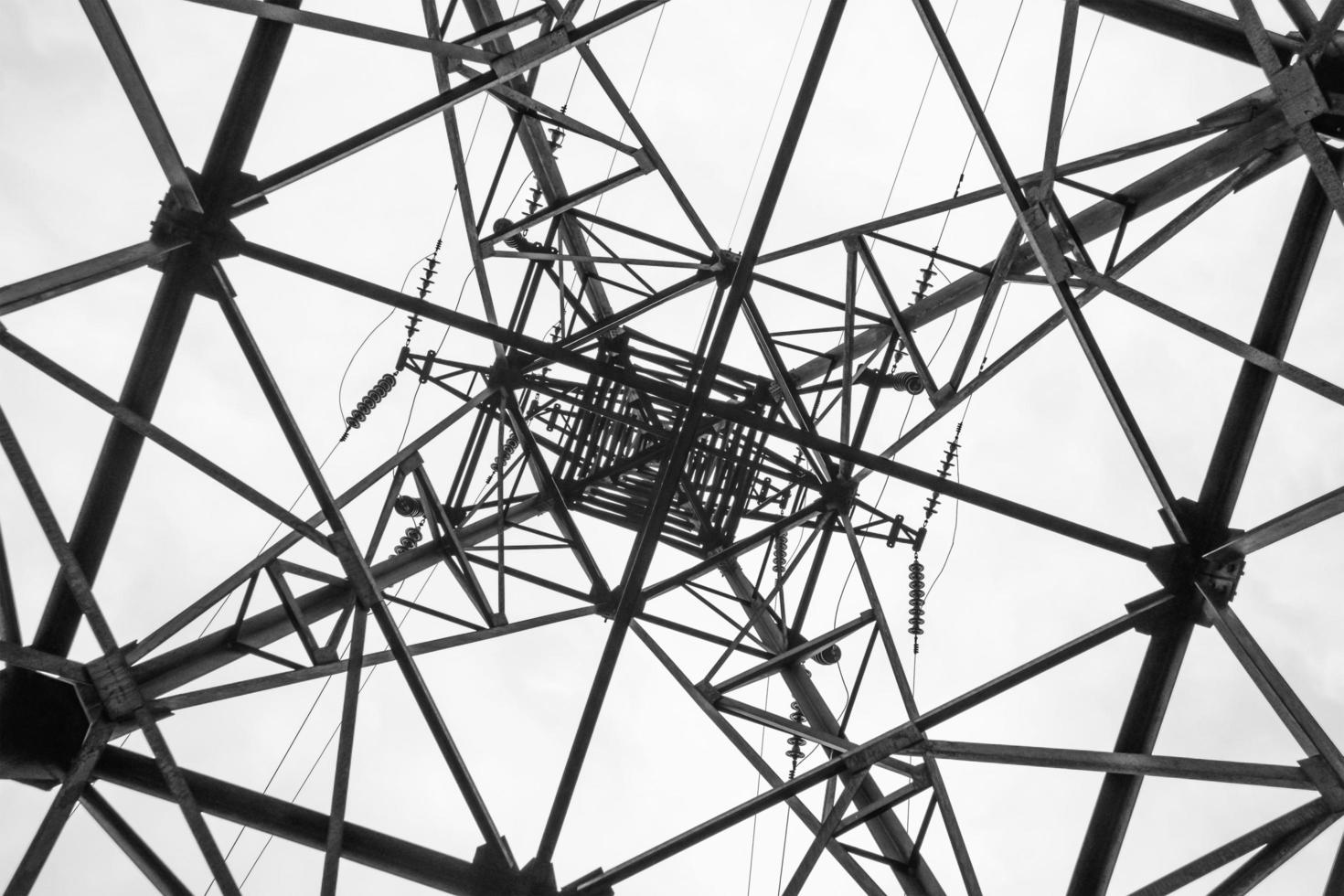
The Federal Government is promoting a new model that would allow a single renewable energy company to provide electricity across an entire community through multiple interconnected mini-grids, as it seeks to attract larger private investment into off-grid power.
The Rural Electrification Agency (REA) said on Thursday in Lagos that, instead of developing isolated mini-grids serving only small pockets of a community, companies would be encouraged to build between 20 and 50 mini-grids under a single project, supplying electricity across a much wider area.
REA Managing Director Abba Aliyu, represented by the agency's Executive Director of Corporate Services, Gboyega Ayoade, said the approach is intended to move renewable energy beyond its traditional role of serving remote communities without access to the national grid.
Building larger electricity networks
Aliyu said the existing model, where developers build a single mini-grid in a community, has limited the scale of investment and left many areas with fragmented electricity supply.
"Instead of us encouraging a developer to come in and build one mini-grid in this area and say, okay, I have a mini-grid, no; we're encouraging developers now to build utility-scale mini-grids so one developer can own the entire community," he said.
According to him, developers would be encouraged to build interconnected systems capable of supplying homes, businesses and public facilities across entire communities rather than a handful of streets.
Aliyu likened the concept to choosing a telecommunications provider, saying households could subscribe to a renewable electricity company offering uninterrupted power generated from solar energy and battery storage.
Working alongside DisCos
The agency said the model would require agreements between renewable energy service companies (RESCOs) and electricity distribution companies (DisCos), particularly in communities where the DisCos have little or no operational presence.
"There are some areas currently that the DisCos do not service. So there will be an agreement between the DisCos and the RESCOs as we go along," Aliyu said.
He added that where communities fall outside existing DisCo operations, developers could construct their own distribution infrastructure once the Nigerian Electricity Regulatory Commission grants exclusive rights to serve those areas.
The proposal would allow renewable energy companies to assume responsibility for electricity supply in underserved communities, subject to regulatory approval.
Cost-reflective tariffs remain key
Aliyu said the commercial success of the model depends on consumers paying cost-reflective electricity tariffs, arguing that sustainable pricing is necessary to attract long-term private investment.
He cited the improved supply experienced by many Band A customers following tariff reforms, saying similar gains could extend to customers in Bands B and C if tariffs better reflected the cost of providing electricity.
"The government is broke, the government cannot afford to continue to subsidise power," he said.
On concerns about safety, Aliyu said solar panels and lithium batteries used in mini-grid projects undergo quality checks before deployment. He added that the Standards Organisation of Nigeria screens imported solar panels, while the REA is developing systems for recycling and disposing of batteries as deployment expands.
Related Stories
Sign up for our newsletter.
Get the latest news, expert analysis, and industry insights delivered straight to your inbox. Join thousands of professionals shaping the future of energy.
By submitting my information, I agree to the Privacy Policy and Terms of Service.