Power
Nigeria Rules Out Fresh Electricity Tariff Increase
Nigeria's tariff policy remains centred on gradual cost-reflective pricing for Band A users while the government explores more targeted subsidies to protect vulnerable electricity consumers.
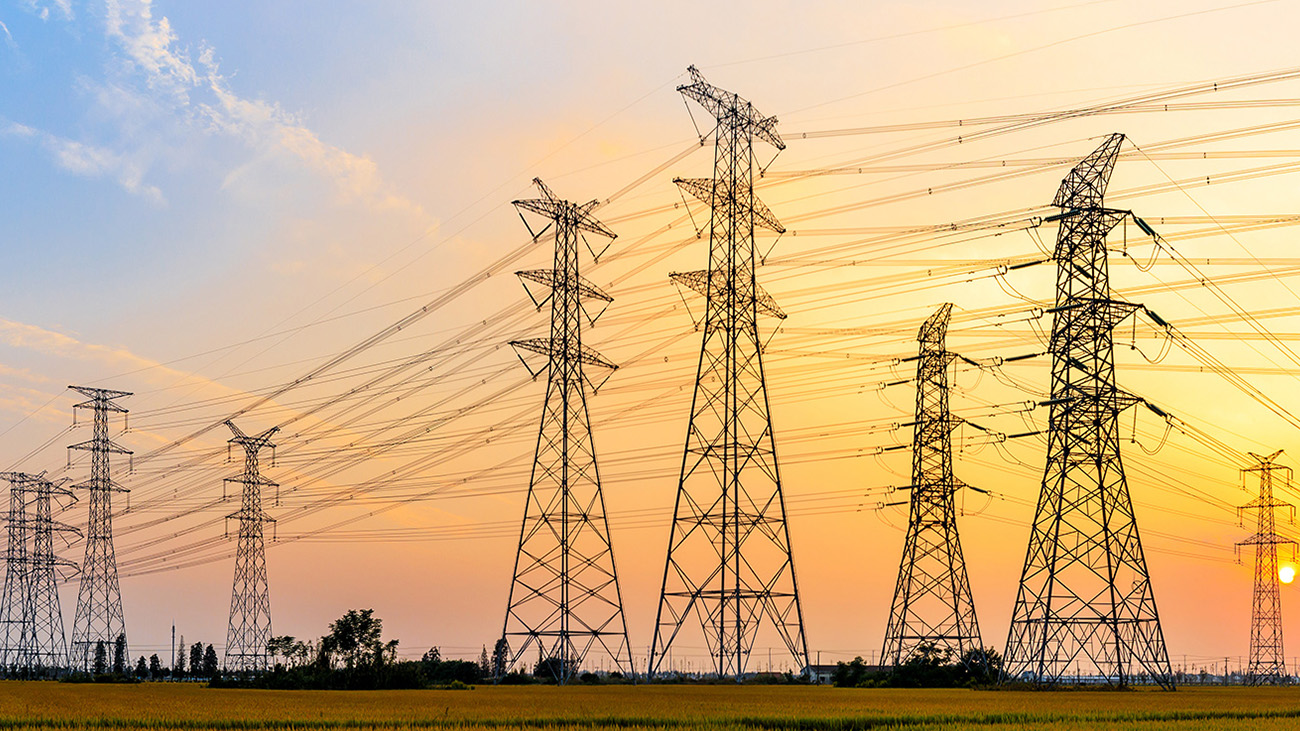
The Federal Government has denied reports that it plans to increase electricity tariffs for any category of grid-connected consumers, saying there is no proposal to raise prices across any service band and that subsidies for vulnerable households will remain.
The clarification followed media reports interpreting comments by the Special Adviser to the President on Power Infrastructure in the Office of the Vice President, Sadiq Wanka, as signalling an imminent tariff increase.
In a statement posted on X on Saturday, Wanka said his remarks at the Asharami Square 3.0 event in Lagos on 22 July focused on investment opportunities in the power sector and the government's wider electricity reform agenda, not a new tariff review.
"There is currently no plan to increase tariffs for consumers across any service band," he said.
Wanka also reaffirmed the tariff framework contained in the National Integrated Electricity Policy, which was finalised in December 2024 and approved by the Federal Executive Council in May 2025.
The policy sets out a gradual transition to cost-reflective electricity tariffs, an approach already adopted for Band A customers, who receive the highest level of electricity supply.
Subsidies to remain
The government said it has no plans to withdraw subsidies for other categories of consumers, adding that its focus is on making support more targeted and efficient.
Wanka pointed to the Power Consumer Assistance Fund (PCAF), established under the Electricity Act 2023, as the mechanism intended to deliver subsidies directly to eligible consumers.
The fund is designed to channel government support through electricity accounts or other identity-linked systems, with the aim of improving transparency and ensuring assistance reaches households that need it most.
The statement indicates that, rather than introducing a fresh round of tariff increases, the government is concentrating on reforming how electricity subsidies are delivered as it pursues wider changes in the power sector.
Nigeria's electricity tariff regime has undergone several reforms as successive governments have sought to balance the cost of supplying electricity with affordability for consumers.
In April 2024, the Nigerian Electricity Regulatory Commission (NERC) approved an increase in tariffs for Band A customers, raising the rate from ₦68/kWh to ₦225/kWh before later revising it to ₦200/kWh.
The change formed part of the government's broader effort to reduce electricity subsidies by introducing cost-reflective pricing for customers receiving at least 20 hours of daily supply, while maintaining subsidies for other consumer categories.
Wanka urged the media to continue supporting public understanding of the government's electricity reforms and to report policy announcements accurately.
Related Stories
Sign up for our newsletter.
Get the latest news, expert analysis, and industry insights delivered straight to your inbox. Join thousands of professionals shaping the future of energy.
By submitting my information, I agree to the Privacy Policy and Terms of Service.