Power
Zambia Launches $15m Mini-Grid Programme to Expand Rural Power
Zambia's mini-grid push could reshape rural electrification by reducing investment risks, strengthening energy markets and demonstrating how public finance can unlock private capital.
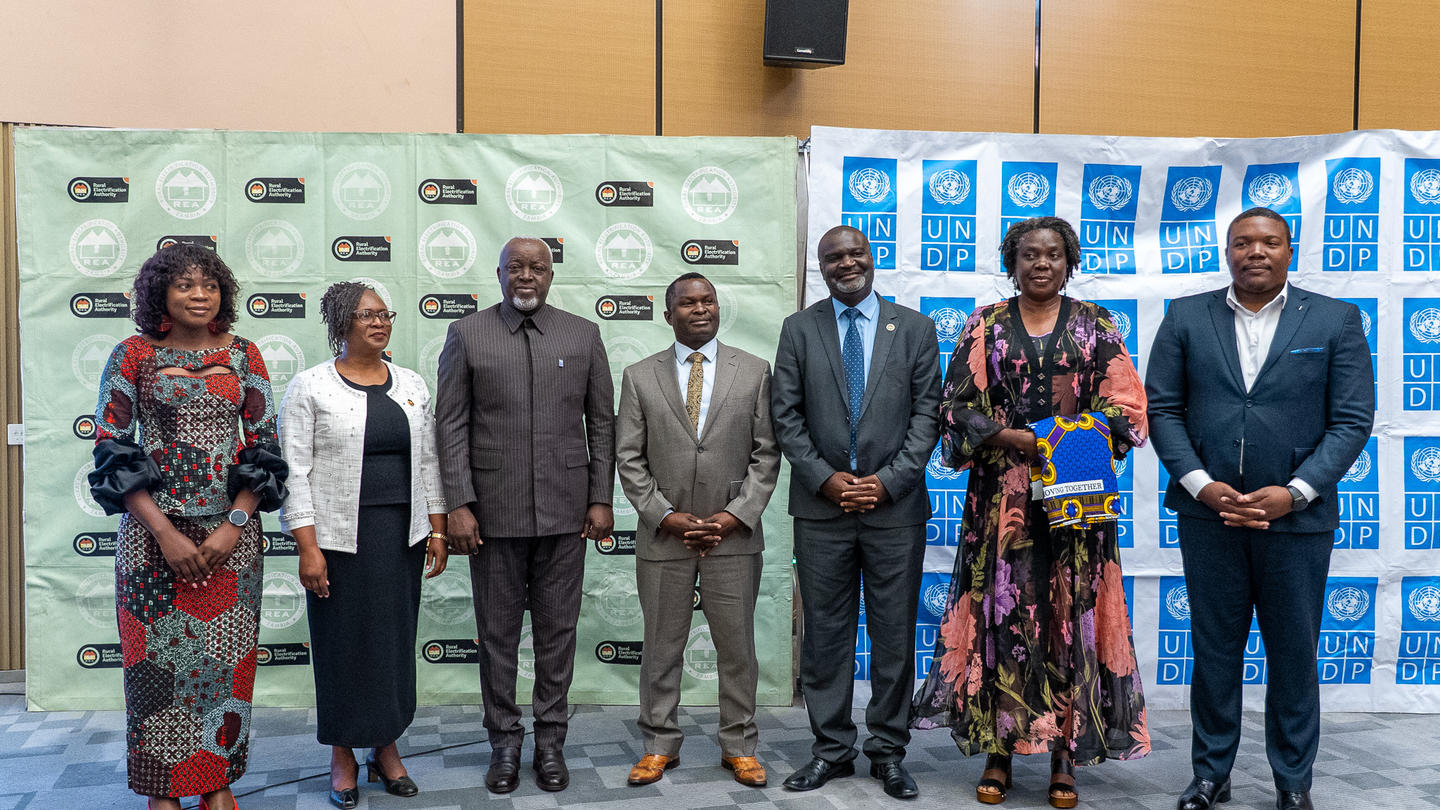
Zambia has launched a $15 million Africa Mini-Grids Programme aimed at expanding electricity access in rural communities and creating conditions for private investment in mini-grid projects beyond donor-supported initiatives.
The four-year programme will be implemented by the Rural Electrification Authority (REA) with support from the United Nations Development Programme (UNDP). It is backed by $13.45 million in REA grant funding and a $1.36 million grant from the Global Environment Facility (GEF), administered by UNDP.
The initiative supports Zambia’s target of developing 1,000 mini-grids and achieving universal electricity access by 2030.
The programme will focus on improving regulations, reducing investment barriers and testing business models that can support larger-scale deployment of mini-grids across rural areas.
It will also promote productive uses of electricity and digital technologies, helping communities use reliable power for businesses and economic activities alongside household needs.
REA Chief Executive Officer Alex Mbumba said a pilot project under the programme would deploy mini-grids with a combined capacity of 450 kilowatts, providing improved access to clean and reliable electricity for 4,396 people.
Creating a market for mini-grids
The initiative targets some of the challenges that have slowed rural electrification across Africa, including high development costs, limited private investment and uncertainty around long-term commercial viability.
Rather than focusing only on infrastructure installation, the programme will support regulatory reforms and business models designed to encourage private developers to invest in rural electricity markets.
Speaking at the launch, Arnold Simwaba, Permanent Secretary for Electricity at the Ministry of Energy, said the government was working to strengthen Zambia’s legal and regulatory framework for off-grid electrification and improve confidence among renewable energy investors.
UNDP Deputy Resident Representative Laurent Rudasingwa said the programme’s success should be measured beyond the number of mini-grids constructed.
He said the longer-term test would be whether private developers continue investing in rural communities after the programme ends and whether the systems remain financially and technically sustainable.
Supporting rural businesses
The programme will also support productive uses of electricity, allowing businesses and entrepreneurs, including women-led enterprises, to use reliable power to increase economic activity.
REA’s contribution accounts for the majority of the programme’s financing, while the GEF grant will provide additional support for developing the mini-grid market.
The financing structure combines domestic public funding with international climate finance to support rural electrification and attract private participation.
Zambia’s mini-grid programme will operate as part of the Africa Mini-Grids Programme, which covers 21 African countries and seeks to accelerate electricity access through renewable energy solutions.
The next challenge will be ensuring that the regulations, pilot projects and investment models developed through the programme continue supporting mini-grid deployment after the four-year initiative ends.
Related Stories


Sign up for our newsletter.
Get the latest news, expert analysis, and industry insights delivered straight to your inbox. Join thousands of professionals shaping the future of energy.
By submitting my information, I agree to the Privacy Policy and Terms of Service.