Power
Accra Faces Power Cuts as GRIDCo Moves to Replace Damaged Transmission Tower
GRIDCo’s planned tower replacement in Ashaiman draws attention to the risks facing Ghana’s transmission network and the need to protect power infrastructure from unsafe activities.
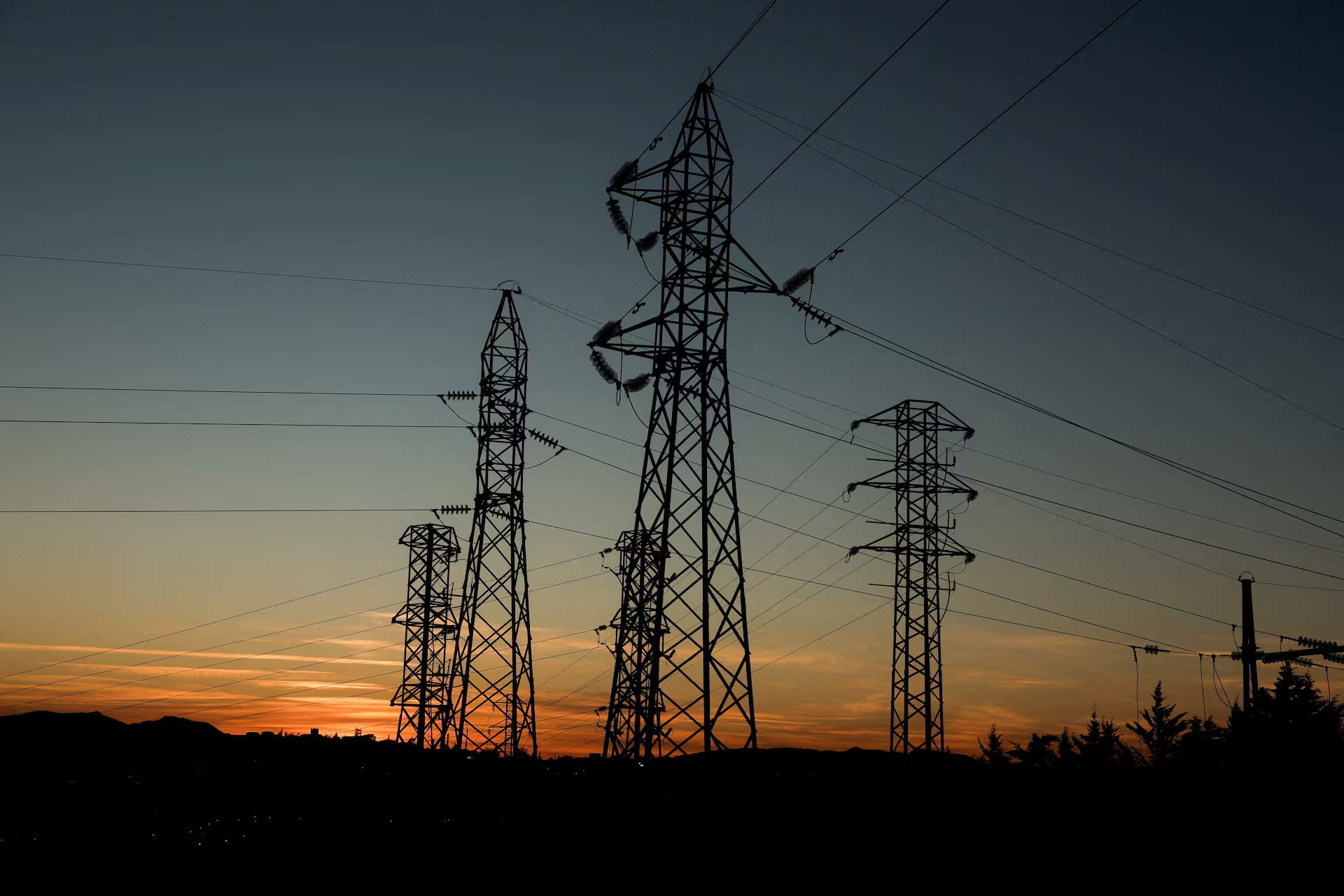
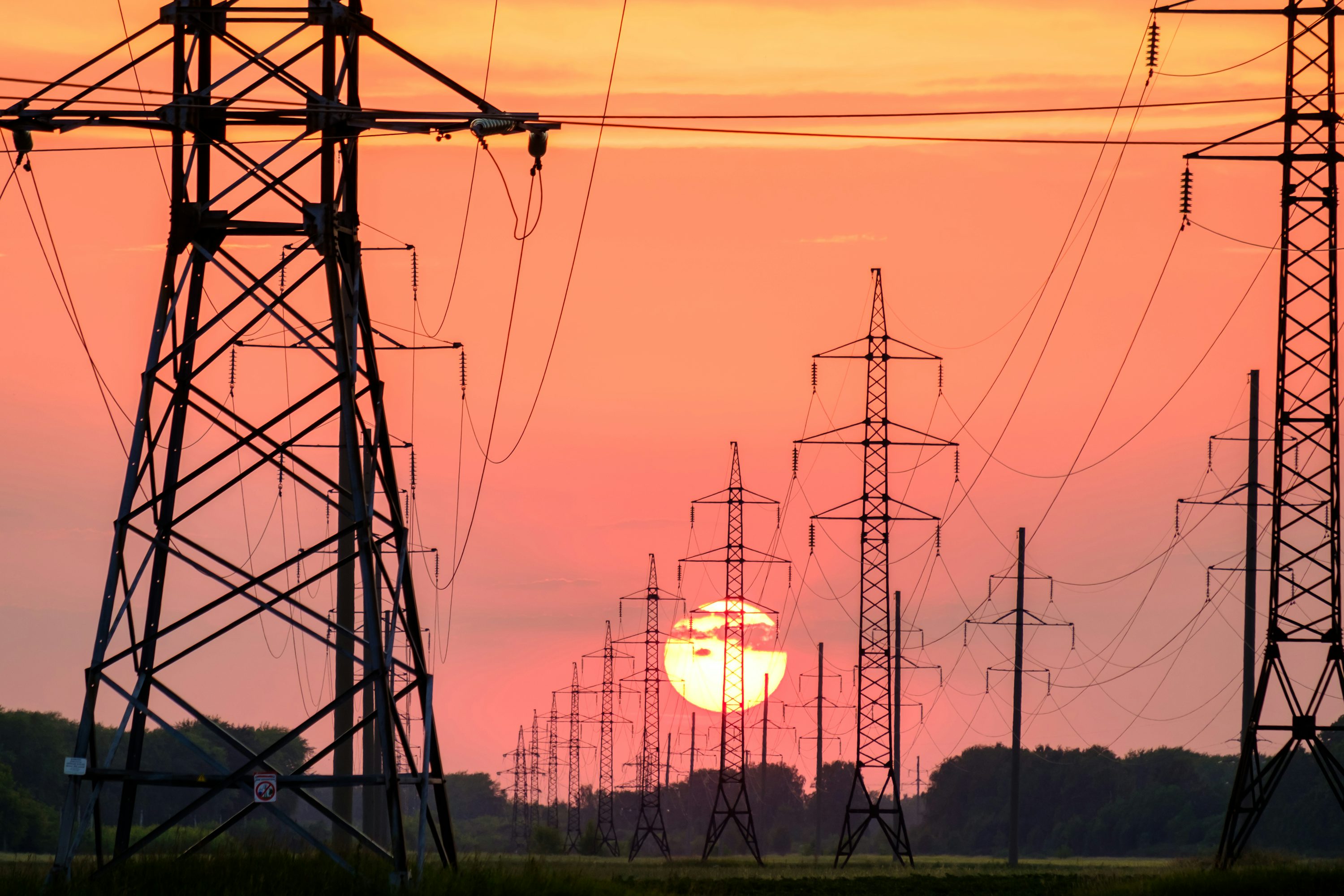
The Ghana Grid Company Ltd. (GRIDCo) will reduce electricity supply to parts of Accra over the weekend to replace a transmission tower damaged by a fuel tanker explosion near Tema.
GRIDCo Chief Executive Ing. Frank Asirifi Otchere announced the planned intervention during a visit to the affected area by Energy and Green Transition Minister Dr John Abdulai Jinapor on Thursday.
Otchere said the incident occurred on July 10 when a group of welders working on a fuel tanker beneath the Tema-Achimota 161 kV double-circuit transmission lines were caught in an explosion.
Part of the tanker was propelled more than 300 metres and struck a nearby transmission tower, compromising its structural integrity.
“We are planning that over the weekend we take the whole tower down and replace it with a new one,” Otchere said.
Damaged tower forces GRIDCo to cut supply and protect Accra network
The affected transmission line is an important part of the network supplying Accra. GRIDCo said it will have to reduce the amount of electricity flowing into the capital while the damaged tower is removed and replaced.
The temporary reduction is intended to prevent excessive loading on neighbouring transmission lines during the work.
GRIDCo did not specify which parts of Accra will experience outages or how long individual interruptions will last.
Minister Jinapor acknowledged that the exercise would lead to temporary power cuts and appealed to affected residents to cooperate with the authorities while the repair is carried out.
Illegal activity under power lines raises fresh safety concerns
The incident has also drawn attention to the continued occupation of GRIDCo’s transmission corridors by businesses and informal operators.
Otchere urged artisans, welders, mechanics and shop owners operating within GRIDCo’s right of way to leave the areas, warning that activities beneath high-voltage transmission lines expose workers and the wider public to serious risks.
The damaged tower has made the immediate concern the restoration of the transmission network, but the circumstances surrounding the incident underline a wider problem: protecting critical electricity infrastructure from activities that can threaten both public safety and the reliability of power supply.
Related Stories
Sign up for our newsletter.
Get the latest news, expert analysis, and industry insights delivered straight to your inbox. Join thousands of professionals shaping the future of energy.
By submitting my information, I agree to the Privacy Policy and Terms of Service.